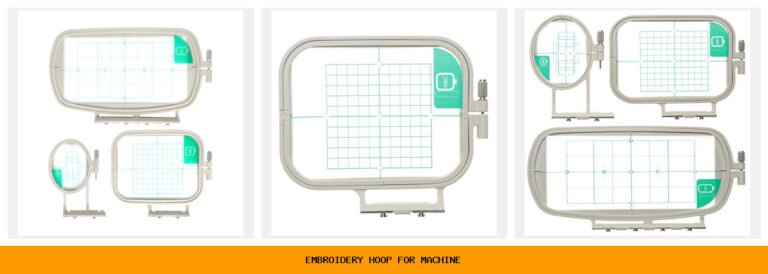
Embroidery has evolved from a traditional craft into a sophisticated art form, thanks to advancements in technology. At the heart of this transformation are embroidery professional machines, which bring precision, speed, and creativity to the forefront of sewing and embroidery. Whether you’re a seasoned professional or a hobbyist looking to elevate your skills, understanding the capabilities and features of these machines is essential for achieving stunning results.
Table of Contents
- What is an Embroidery Professional Machine?
- Key Features of Professional Embroidery Machines
- Types of Professional Embroidery Machines
- Choosing the Right Machine for Your Needs
- Maintenance and Care
- Frequently Asked Questions
What is an Embroidery Professional Machine?
An embroidery professional machine is a specialized sewing machine designed to create intricate decorative stitching on fabric. Unlike standard sewing machines, these machines are equipped with features that facilitate automatic embroidery, allowing users to reproduce designs with precision and speed. They are ideal for businesses, custom embroidery services, and serious hobbyists who want to take their craft to the next level.
Key Features of Professional Embroidery Machines
When selecting an embroidery machine, it’s important to consider various features that can enhance your crafting experience. Below are some key features to look for:
Stitch Quality
The quality of the stitches produced by an embroidery machine can significantly impact the final product. Professional embroidery machines are designed to create high-quality, consistent stitches, ensuring that designs look polished and professional.
Design Capabilities
Professional machines often come with pre-installed designs and the ability to upload custom designs. Look for machines that support a variety of file formats, allowing you to import designs easily. Advanced models may also feature built-in editing capabilities, enabling you to resize, rotate, or mirror designs directly on the machine.
User Interface
A user-friendly interface is crucial for navigating through the various functions of an embroidery machine. Touchscreen displays, easy-to-navigate menus, and intuitive controls can make your embroidery experience more enjoyable and efficient.
Speed and Efficiency
Professional embroidery machines are designed for speed, allowing you to complete projects in a fraction of the time it would take with a standard machine. Many high-end models can stitch hundreds of designs per minute, making them ideal for commercial use.
| Feature | Importance |
|---|---|
| Stitch Quality | Ensures professional-looking results |
| Design Capabilities | Allows customization and creativity |
| User Interface | Makes operation simple and efficient |
| Speed and Efficiency | Increases productivity, especially for businesses |
Types of Professional Embroidery Machines
Understanding the different types of professional embroidery machines can help you make an informed decision based on your specific needs and goals. The two primary categories are single-needle and multi-needle machines.
Single Needle Machines
Single needle machines are typically more affordable and are suitable for small-scale projects. They are ideal for beginners or those who primarily work on items like clothing or small decorative pieces. While they can handle embroidery, they may require more manual intervention when changing threads or designs.
Multi-Needle Machines
Multi-needle machines are designed for larger, more intricate projects. They feature multiple needles, allowing you to change colors automatically without stopping the machine. This feature is particularly useful for businesses that require high output and efficiency. Additionally, multi-needle machines often come with advanced functionalities such as larger embroidery areas and enhanced software capabilities.
Choosing the Right Machine for Your Needs
When selecting an embroidery machine, consider your skill level, the type of projects you’ll be working on, and your budget. Here are some factors to keep in mind:
- Skill Level: Beginners may prefer single needle machines for ease of use, while experienced users may benefit from the advanced features of multi-needle machines.
- Project Type: Consider the types of embroidery projects you’ll be undertaking. Larger projects may require a machine with a larger embroidery area.
- Budget: Professional embroidery machines can vary significantly in price. Set a budget that aligns with your needs and explore options within that range.
Maintenance and Care
Proper maintenance of your embroidery machine is crucial for longevity and optimal performance. Here are some essential maintenance tips:
- Regular Cleaning: Dust and lint can accumulate in the machine. Regularly clean the bobbin area and needle plate to prevent issues.
- Oil the Machine: Refer to your machine’s manual for guidance on when and how to lubricate moving parts.
- Check Needles: Replace needles regularly, especially after completing a large project. Dull or damaged needles can lead to poor stitch quality.
- Update Software: If your machine has software features, ensure you keep it updated to access new designs and functionalities.
A: Professional embroidery machines can range from $500 to over $10,000, depending on features and capabilities. Set a budget based on your needs and explore options within that range.
A: Some embroidery machines can perform regular sewing functions, but it’s best to check the specifications of your machine to confirm its capabilities.
A: Most professional embroidery machines work well with polyester or rayon embroidery threads, which are designed to withstand the stitching process and maintain color vibrancy.
A: Popular brands include Brother, Janome, Bernina, and Husqvarna Viking, each offering a range of models suited for different skill levels and needs.
Frequently Asked Questions
Here are some additional frequently asked questions about embroidery professional machines:
A: Yes, many professional embroidery machines allow you to create and upload your own designs using compatible software.
A: Common issues include thread bunching or breaking. Always refer to your machine’s manual for troubleshooting tips, and ensure you are using the correct needle and thread type.
As you embark on your embroidery journey, having the right tools can make all the difference. For those looking for a seamless start, consider checking out our article on Best Rated Home Embroidery Machine Delights! and explore various design options like Patriotic Flair: Discover This Unique Embroidery Design! and Exploring Wildflower Machine Embroidery Designs Seamlessly. If you are in Albuquerque, NM, you can find stunning embroidery services by visiting Discover Stunning Embroidery in Albuquerque, NM! and for whimsical designs, don’t miss out on Minnie Mouse Embroidery Designs: A Stitching Delight!.
In conclusion, an embroidery professional machine is a valuable investment for anyone serious about embroidery. With the right machine, you can unlock endless possibilities for creativity and craftsmanship. Whether you are making personalized gifts, starting a business, or simply enjoying a new hobby, these machines can help you achieve professional results with ease.