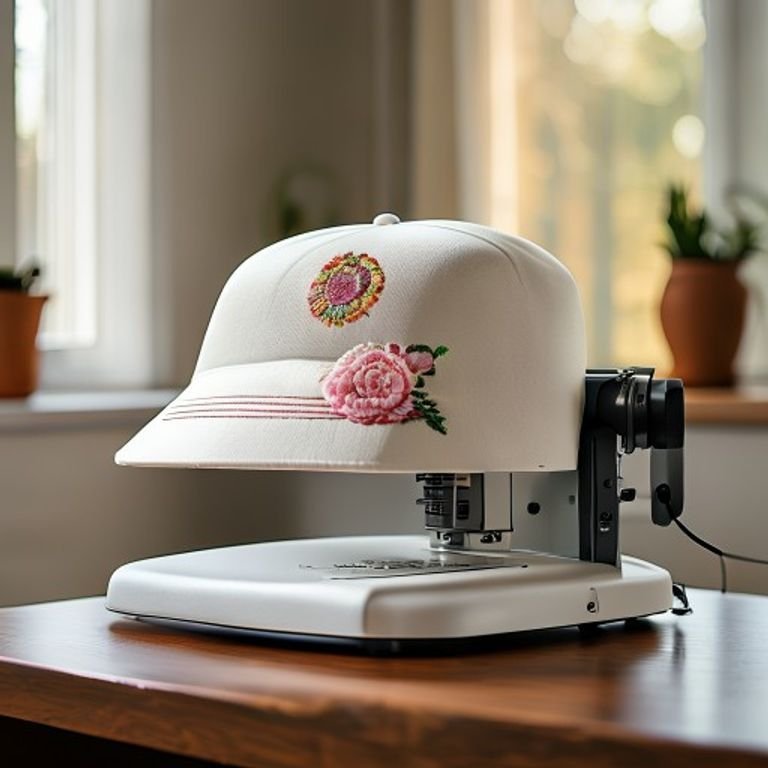
Embroidery has long been a cherished craft, transforming simple fabrics into beautiful works of art. For beginners, diving into the world of embroidery can feel overwhelming with the variety of stitches, techniques, and tools available. However, with the right guidance and a bit of practice, anyone can master the basics and create stunning pieces. This article serves as a comprehensive guide, offering embroidery tutorials for beginners that will set you on the path to becoming a skilled embroiderer.
Table of Contents
- Getting Started with Embroidery
- Essential Tools for Embroidery
- Basic Embroidery Stitches
- Advanced Embroidery Techniques
- Embroidery Project Ideas for Beginners
- Helpful Resources and Tutorials
- Frequently Asked Questions
Getting Started with Embroidery
Embroidery is an enjoyable and fulfilling craft that can be approached by anyone, regardless of skill level. Before you start stitching, it’s important to familiarize yourself with the basics.
Choosing Your Fabric
The type of fabric you choose can greatly affect your embroidery experience. Beginners are often advised to start with cotton or linen, as they are easy to work with and hold stitches well.
Understanding Embroidery Hoops
Using an embroidery hoop is essential for keeping your fabric taut while you work. This ensures that your stitches are uniform and that you have better control over your needlework.
Essential Tools for Embroidery
Having the right tools can make your embroidery journey smoother. Here’s a list of essential items you’ll need:
| Tool | Purpose |
|---|---|
| Embroidery Hoops | To hold fabric taut while stitching. |
| Embroidery Needles | Special needles with larger eyes to accommodate embroidery thread. |
| Embroidery Thread | Colorful threads specifically designed for embroidery. |
| Fabric Scissors | Sharp scissors for cutting fabric and threads. |
| Water-Soluble Pen | To mark fabric without leaving permanent marks. |
Basic Embroidery Stitches
Once you have your materials ready, it’s time to learn some basic stitches. Here are a few essential stitches every beginner should know:
Running Stitch
The running stitch is one of the simplest stitches, making it perfect for beginners. It involves making small, even stitches in a straight line.
Backstitch
The backstitch is a versatile stitch used for outlining and creating solid lines. It’s slightly more advanced than the running stitch but still manageable for beginners.
Satin Stitch
The satin stitch fills in shapes and creates a smooth, polished look. It’s commonly used for letters and small designs.
Advanced Embroidery Techniques
As you become more comfortable with the basics, you may want to explore advanced techniques that can elevate your embroidery projects.
French Knots
French knots add texture and dimension to your designs. They can be a bit tricky at first, but with practice, you’ll master them.
Appliqué
Appliqué involves sewing a piece of fabric onto another fabric to create designs. This technique can add depth and interest to your embroidery projects.
Embroidery Project Ideas for Beginners
Now that you have the basic skills, it’s time to put them to use. Here are some project ideas that are perfect for beginners:
- Monogrammed Handkerchiefs: A classic project that allows you to practice lettering and basic stitches.
- Embroidered Tote Bag: A practical item that showcases your creativity and skill.
- Pillow Covers: Adding embroidered designs to pillow covers can brighten up your home decor.
Helpful Resources and Tutorials
To further enhance your embroidery skills, there are numerous resources available online, including video tutorials, blogs, and forums. Here are some valuable resources for beginners:
- Embroidery.com – A great resource for stitch tutorials and project ideas.
- Craftsy – Offers online classes and tutorials for various embroidery techniques.
- YouTube – A wealth of instructional videos covering everything from basic stitches to advanced techniques.
Frequently Asked Questions
A: Cotton embroidery thread is a popular choice for beginners due to its ease of use and availability in various colors.
A: You can use a zigzag stitch or fray check to prevent fabric edges from fraying.
A: Yes, many sewing machines come with embroidery capabilities or can be used with embroidery attachments.
To further enhance your embroidery journey, consider exploring local embroidery machine stores or libraries. You can find valuable resources and potentially discover a treasure trove of designs, such as the San Francisco 49ers Embroidery Designs which can elevate your projects. If you are in the market for an embroidery machine, check out the Great Deal on Tajima Embroidery Machine for Sale Used or look for an embroidery machine store near me for hands-on assistance.
As you gain more experience, consider visiting local gems like Stitching Bliss: Discover Grand Rapids’ Embroidery Gem! to further refine your skills and meet fellow embroidery enthusiasts.
In conclusion, embroidery is a rewarding craft that combines creativity and skill. With patience and practice, you can create beautiful works of art that reflect your personal style. Start with these embroidery tutorials for beginners, and before you know it, you’ll be stitching masterpieces that you can be proud of.