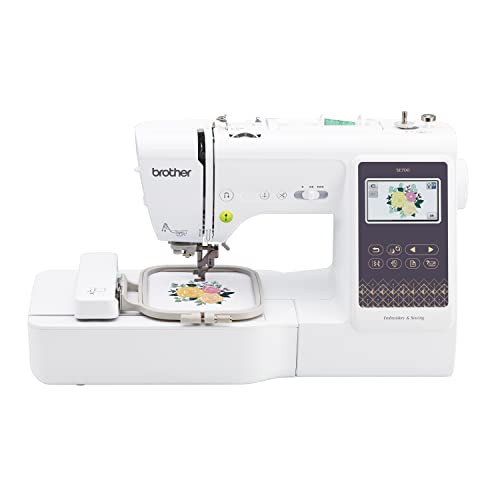
Embroidery has long been a cherished art form, allowing creators to personalize garments, home decor, and accessories. While traditional embroidery often requires specialized machines, many crafters may be surprised to learn that they can achieve beautiful embroidery designs using a normal sewing machine. This article will explore how to get started with embroidery using your regular sewing machine, the techniques involved, and tips for creating stunning embroidered pieces.
Table of Contents
- Understanding Embroidery with a Normal Sewing Machine
- Essential Tools for Embroidery
- Basic Embroidery Techniques
- Designs and Patterns for Embroidery
- Caring for Your Embroidery
- Frequently Asked Questions
Understanding Embroidery with a Normal Sewing Machine
Embroidery is the art of decorating fabric using a needle and thread. It can range from simple designs to intricate patterns and is often used to add personal touches to clothing or home textiles. Using a normal sewing machine for embroidery may sound daunting, but it opens up a world of creativity for any sewing enthusiast.
Types of Embroidery Stitches
When using a standard sewing machine, you can create various types of stitches. Some common embroidery stitches include:
- Straight Stitch: The most basic stitch, ideal for outlining designs.
- Zigzag Stitch: Great for filling in shapes and adding texture.
- Appliqué Stitch: Used for attaching fabric pieces to a base fabric.
- Free Motion Stitching: Allows for more intricate and freehand designs.
Essential Tools for Embroidery
Before diving into embroidery with your normal sewing machine, gather the necessary tools. Having the right materials will make your project more enjoyable and successful.
List of Essential Tools
| Tool | Purpose |
|---|---|
| Embroidery Thread | Special thread designed for embroidery that adds shine and durability. |
| Needles | Embroidery needles are specially designed to accommodate thicker threads. |
| Stabilizer | Prevents the fabric from stretching and helps the stitches hold better. |
| Fabric | Choose a fabric suitable for your design; cotton is a versatile option. |
| Embroidery Hoops | Holds the fabric taut while you stitch, ensuring even tension. |
Basic Embroidery Techniques
Once you have your tools ready, it’s time to learn some basic embroidery techniques that can be accomplished with a standard sewing machine.
Free Motion Embroidery
This technique involves lowering the feed dogs on your sewing machine, allowing you to move the fabric freely under the needle. It’s perfect for creating intricate designs that require more control.
Using an Embroidery Foot
An embroidery foot is a specialized foot that allows for better visibility and movement of the fabric. It is particularly useful for free motion embroidery as it provides more space around the needle.
Creating Basic Designs
Start by practicing simple designs like doodles or basic shapes. Draw or print a design on paper, place it under your fabric, and trace it with your sewing machine. This will help you get comfortable with the movement and control of the fabric under the needle.
Designs and Patterns for Embroidery
Choosing the right design or pattern is crucial for your embroidery project. There are countless resources available, including books, online tutorials, and downloadable patterns. You can also create your own designs!
Finding Patterns
Many websites offer free and paid embroidery patterns specifically designed for sewing machines. Additionally, you can explore:
- Naturally Inspiring Geometric Embroidery Designs
- Top Machine Embroidery Xmas Designs for Festive Creativity
Creating Custom Designs
If you’re feeling creative, consider designing your own embroidery pattern. You can use drawing software or even hand-draw your designs. Just ensure that the lines are clear and easy to follow for your machine.
Caring for Your Embroidery
After you’ve completed your embroidery project, it’s essential to take care of it properly to maintain its quality and appearance.
Washing and Ironing
When washing embroidered items, always turn them inside out to protect the stitches. Use a gentle cycle with cold water, and avoid bleach. For ironing, place a cloth over the embroidery to prevent direct contact with the iron.
Storage
Store embroidered items flat or rolled to avoid creasing or damaging the stitches. Avoid hanging heavy embroidered pieces, as this can stretch the fabric and distort the design.
A: It’s best to use embroidery thread, as it’s designed to withstand the stress of stitching and gives a better finish compared to regular sewing thread.
A: While you can technically use a regular foot, a free motion embroidery foot is highly recommended for better control and visibility.
Frequently Asked Questions
A: It can be challenging at first, but with practice and the right techniques, you can create beautiful designs. Start with simple patterns to build your confidence.
A: Cotton is the most commonly used fabric, but you can also use linen, denim, and even some synthetics. Just ensure the fabric is sturdy enough to hold the stitches.
A: Most normal sewing machines can handle a variety of materials, but it’s important to choose the right needle and thread for each type to avoid damage.
Conclusion
Embroidery with a normal sewing machine is not only possible but can also be a rewarding and enjoyable experience. By understanding the techniques, gathering the right tools, and experimenting with designs, you can create stunning embroidered pieces. Whether you’re personalizing clothing, crafting gifts, or simply expressively creating art, embroidery opens up new avenues for creativity. Embrace the art of embroidery and let your imagination guide you!
For those looking to enhance their embroidery projects further, consider Transform Your Projects with Vibrant Coats & Clark Thread! If you’re in the holiday spirit, check out the Top Machine Embroidery Xmas Designs for Festive Creativity. And for those interested in geometric patterns, explore Naturally Inspiring Geometric Embroidery Designs.
For the best thread sewing machine recommendations, see Unlock Creativity: The Best Thread Sewing Machine Revealed! And if you’re looking for custom embroidery services, check out Top Custom Embroidery Services in San Antonio Reviewed.