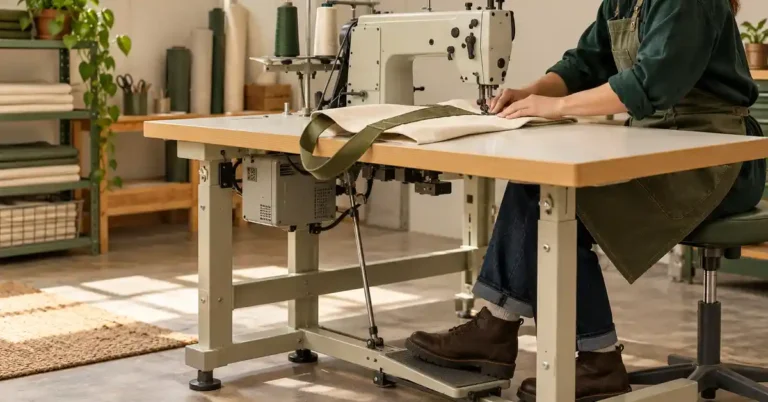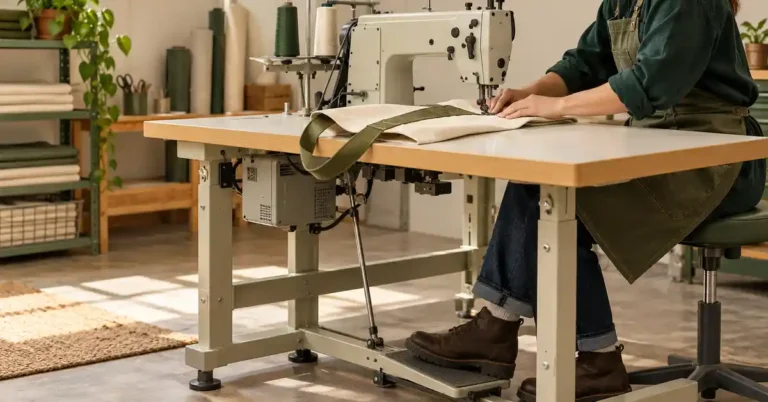

Sewing enthusiasts often seek the perfect tools to enhance their craft, and one such tool that can make a significant difference in your sewing experience is the zig zag foot for sewing machines. This specialized foot allows for more flexibility in stitching, enabling you to create decorative patterns, finish edges, and tackle various fabric types with ease. Understanding its features, uses, and maintenance is essential for anyone looking to elevate their sewing game.
What is a Zig Zag Foot?
A zig zag foot is a type of presser foot designed to allow zigzag stitches to be sewn accurately and effortlessly. Unlike a straight stitch foot, the zig zag foot has a wider opening that accommodates the side-to-side movement of the needle when sewing zigzag stitches. This foot is essential for various sewing techniques, including sewing stretch fabrics, finishing seams, and embellishing projects.
Types of Zig Zag Feet
There are generally two types of zig zag feet: standard and adjustable. The standard zig zag foot is straightforward and suitable for most sewing needs, while the adjustable zig zag foot allows for more versatile stitch width settings. Here’s a quick comparison:
| Type | Features | Best For |
|---|---|---|
| Standard Zig Zag Foot | Basic, easy to use, accommodates most zigzag stitches | General sewing and basic fabric types |
| Adjustable Zig Zag Foot | Allows for stitch width adjustments, more versatile | Advanced sewing techniques, decorative stitching |
Benefits of Using a Zig Zag Foot
Utilizing a zig zag foot in your sewing projects offers numerous advantages:
Versatility
The zig zag foot can be used for a variety of techniques, including:
- Finishing raw edges
- Creating decorative stitches
- Sewing on elastic or knit fabrics
- Appliqué and patchwork
Improved Stitch Quality
The design of the zig zag foot helps maintain proper fabric feeding and tension, resulting in better stitch quality. This is particularly important when working with thicker fabrics or multiple layers.
Ease of Use
With the zig zag foot, even beginners can easily achieve professional-looking results. The foot’s design allows for straightforward adjustments and settings on your sewing machine.
How to Use a Zig Zag Foot
Using a zig zag foot is simple, but here’s a step-by-step guide to ensure you get it right:
Step 1: Prepare Your Sewing Machine
Before attaching the zig zag foot, make sure your sewing machine is clean and properly threaded. Familiarize yourself with the zigzag stitch settings on your machine, including stitch width and length.
Step 2: Attach the Zig Zag Foot
Remove your current presser foot and attach the zig zag foot securely. Ensure it is locked in place for optimal performance.
Step 3: Adjust Your Machine Settings
Set your machine to the desired zigzag stitch. Adjust the stitch width and length according to your project requirements.
Step 4: Start Sewing
Place your fabric under the foot, lower the presser foot, and start sewing. Keep an eye on your fabric as it feeds through, ensuring it remains straight.
Maintenance and Care
Proper maintenance of your zig zag foot is crucial for longevity and performance. Here are some essential care tips:
Cleaning
Regularly clean the foot to remove lint and debris that may accumulate during use. Use a soft brush or cloth to wipe it down.
Storage
Store the zig zag foot in a dry, dust-free environment. Consider using a small container to protect it from damage.
Regular Inspection
Check the foot for any signs of wear or damage. If you notice any issues, consider replacing it to maintain optimal performance.
Common Issues and Solutions
Like any sewing tool, the zig zag foot can encounter issues. Here are some common problems and their solutions:
Skipped Stitches
If you notice skipped stitches while using the zig zag foot, it may be due to improper needle size or thread tension. Consider the following solutions:
- Use a needle suitable for your fabric type.
- Check and adjust the thread tension settings on your machine.
Uneven Stitching
Uneven stitching can occur if the fabric is not feeding correctly. To resolve this:
- Ensure that the fabric is properly aligned and not bunched up.
- Check if the zig zag foot is securely attached.
Foot Not Lifting
If the zig zag foot is not lifting properly, it may be due to a mechanical issue within the machine. Consider the following:
- Check for any obstructions around the foot.
- Consult your sewing machine manual for troubleshooting tips or consider professional servicing.
FAQ
A: Most modern sewing machines are compatible with zig zag feet, but it’s always best to check your machine’s specifications and compatibility.
A: You can create a variety of stitches, including zigzag, decorative stitches, and even straight stitches when using the foot correctly.
A: It’s recommended to use a needle that suits your fabric type, especially when sewing stretchy or thick materials.
A: It’s best to clean your zig zag foot after every few sewing projects to maintain optimal performance.
Conclusion
The zig zag foot for sewing machines is an invaluable tool that opens up a world of creativity and versatility in sewing. Understanding its features, benefits, and maintenance will not only enhance your sewing experience but also help you achieve professional-quality results. Whether you’re working on a simple project or a complex design, the zig zag foot can significantly improve your sewing capabilities. Be sure to explore other sewing options, such as the Topaz 50 embroidery machine, the Melco embroidery machine, and the Brother PR1000 embroidery machine, to further elevate your craft. Happy sewing!