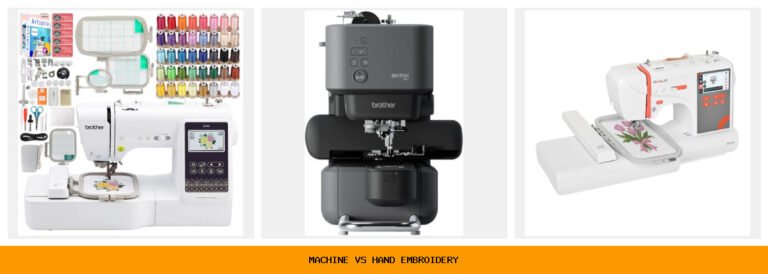
Embroidery is a captivating art form that combines creativity and craftsmanship, allowing individuals to personalize textiles and create stunning decorative pieces. Whether you’re a seasoned sewer or just starting out, the world of embroidery offers endless possibilities for expression and innovation. From the simple elegance of hand stitching to the intricate designs produced by modern embroidery machines, this skill has evolved significantly over the years. This article will delve into the various aspects of embroidery, including techniques, tools, and common practices, to inspire you on your journey.
Table of Contents
- What is Embroidery?
- Types of Embroidery
- Essential Tools for Embroidery
- Embroidery Techniques
- Common Issues and Troubleshooting
- Care and Maintenance of Embroidery
- Frequently Asked Questions
What is Embroidery?
Embroidery is the art of decorating fabric using a needle and thread, or yarn. This intricate craft can be traced back thousands of years and has been practiced in various cultures worldwide. The designs can range from simple monograms to complex patterns that can completely transform the appearance of an item. Embroidery can be done by hand or by machine, with each method offering its own set of advantages and creative opportunities.
Types of Embroidery
Embroidery has many styles and techniques, each with unique characteristics. Below are some of the most popular types of embroidery:
1. Hand Embroidery
Hand embroidery is a traditional form of embroidery that involves stitching designs manually. This technique allows for more creativity and customization, as artists can modify patterns and techniques to suit their preferences.
2. Machine Embroidery
Machine embroidery utilizes sewing machines that are specifically designed for this purpose. This method is faster than hand embroidery and is ideal for larger projects or when needing to produce multiple items with the same design.
3. Cross-Stitch
Cross-stitch is a popular form of hand embroidery characterized by its X-shaped stitches. It is often used for creating detailed images and patterns, making it a favorite among hobbyists.
4. Crewel Embroidery
Crewel embroidery is a type of hand embroidery that uses wool yarn to create intricate designs. It often features floral and nature-inspired motifs and is known for its vibrant colors and textures.
5. Appliqué
Appliqué involves sewing a piece of fabric onto another fabric to create designs. This technique can be used in conjunction with other embroidery styles to add depth and visual interest to projects.
Essential Tools for Embroidery
To embark on your embroidery journey, you’ll need a few essential tools. Having the right equipment can make a significant difference in your experience and the quality of your work.
| Tool | Purpose |
|---|---|
| Embroidery Hoop | Holds fabric taut to prevent puckering while stitching. |
| Needles | Specialized embroidery needles are designed to work with various thread types. |
| Thread | Choose from cotton, polyester, or specialty threads to achieve different effects. |
| Fabric | Use a variety of fabrics, including cotton, linen, or canvas, depending on your project. |
| Scissors | Sharp embroidery scissors help in trimming threads and fabric accurately. |
| Stabilizer | Provides support to the fabric during machine embroidery to prevent distortion. |
Embroidery Techniques
Mastering various embroidery techniques can significantly enhance your skill set. Below are some fundamental techniques that every embroiderer should know:
1. Back Stitch
The back stitch is a straightforward yet versatile technique that creates a solid line. It is commonly used for outlining designs and lettering.
2. Satin Stitch
Satin stitch is used to fill in shapes and create a smooth, glossy surface. It’s perfect for making bold designs stand out.
3. French Knot
The French knot adds texture and dimension to designs. It is commonly used for flowers, eyes, and other small details.
4. Chain Stitch
Chain stitch is a decorative stitch that resembles a chain. It’s often used in outlining and adding embellishments to designs.
5. Lazy Daisy Stitch
This stitch creates petal-like shapes, making it ideal for floral designs. It’s a simple technique that can add charm to any project.
Common Issues and Troubleshooting
Embroidery can sometimes present challenges, especially for beginners. Here are some common issues you may encounter and how to troubleshoot them:
1. Fabric Puckering
Puckering occurs when the fabric gathers unevenly during stitching. This can be caused by using the wrong needle, incorrect tension, or not using a stabilizer. To remedy this, ensure you are using the right needle for your fabric and consider adjusting the tension on your sewing machine.
2. Thread Breakage
Thread breakage can be frustrating and may occur due to using the wrong type of thread, improper threading of the machine, or a dull needle. Make sure to use high-quality thread suitable for embroidery and replace needles regularly.
3. Design Misalignment
If your design is not aligning correctly, it may be due to improper hooping or not using a stabilizer. Always ensure that your fabric is securely hooped and that you have the correct stabilizer for your project.
Care and Maintenance of Embroidery
Proper care and maintenance of your embroidery projects can ensure their longevity and keep them looking fresh. Here are some tips to help you care for your finished pieces:
1. Washing
When washing embroidered items, always check the fabric care instructions. Hand washing is often the safest option, but if machine washing is allowed, use a gentle cycle with cold water.
2. Ironing
To maintain the appearance of your embroidery, iron your pieces on the reverse side using a low heat setting. Always avoid direct contact with the stitches to prevent damage.
3. Storage
Store your embroidered items in a cool, dry place away from direct sunlight to prevent fading. If possible, use acid-free tissue paper to preserve their shape and prevent creasing.
Frequently Asked Questions
A: Cotton and linen are popular choices due to their durability and ease of stitching. However, the best fabric ultimately depends on your project and design.
A: It’s best to use threads specifically designed for embroidery, such as embroidery floss or specialty threads, to achieve the best results.
A: Consider factors like your budget, the types of projects you plan to work on, and whether you prefer a machine that offers advanced features. A great option to consider is the Brother PE150 Embroidery Machine.
A: Hand embroidery is done manually, allowing for more creativity and customization. In contrast, machine embroidery is quicker and more efficient for larger projects.
Embroidery is a rewarding craft that allows for creativity and personal expression. With practice, you can master various techniques and produce beautiful, unique pieces that reflect your style. Whether you’re creating a stunning embroidered artwork, personalizing clothing, or enhancing home décor, the possibilities are endless. Explore different methods, tools, and designs to find what resonates with you, and don’t forget to have fun along the way!
If you’re looking for inspiration, check out the Stitching Beauty: Top Flower Patterns for Embroidery for some beautiful floral designs or learn how to use soft iron-on backing for embroidery to give your projects a polished finish. For those interested in traditional attire, consider the Elegant White Saree with Gold Embroidery as a timeless choice for special occasions. If you’re a professional seeking reliable equipment, the Tajima 15 Needle Embroidery Machine is a great investment.