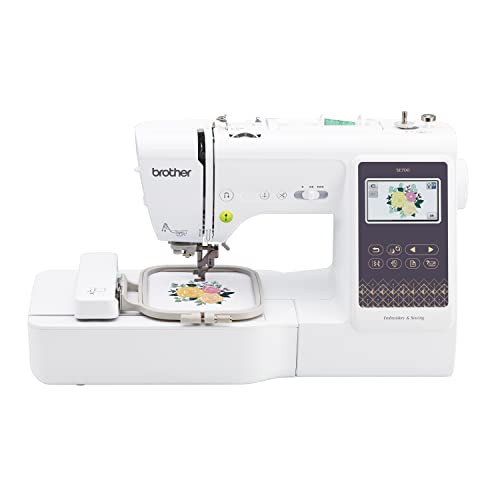
Machine sewing embroidery is a captivating intersection of creativity and technology, allowing crafters to enhance their sewing projects with intricate designs and personalized touches. Whether you are creating custom apparel, home décor, or unique gifts, mastering machine embroidery can significantly elevate your sewing game. This article will explore the essentials of machine sewing embroidery, from selecting the right equipment to mastering techniques and troubleshooting common issues.
Table of Contents
- What is Machine Sewing Embroidery?
- Essential Equipment for Machine Embroidery
- Choosing the Right Embroidery Machine
- Embroidery Techniques and Tips
- Troubleshooting Common Issues
- Frequently Asked Questions
- Conclusion
What is Machine Sewing Embroidery?
Machine sewing embroidery involves using a sewing machine specifically designed or adapted for embroidery work. Unlike traditional hand embroidery, machine embroidery automates much of the process, allowing for more complex designs and faster production times. This method typically uses digitized designs, which are fed into the machine, enabling it to stitch intricate patterns on fabric with remarkable accuracy.
Essential Equipment for Machine Embroidery
To get started with machine sewing embroidery, you will need a few essential pieces of equipment. Here’s a breakdown of what you need:
| Equipment | Description |
|---|---|
| Embroidery Machine | A specialized sewing machine that can create intricate embroidery designs. |
| Stabilizers | Material used to support the fabric during embroidery and prevent puckering. |
| Embroidery Thread | High-quality thread designed specifically for embroidery, available in various colors. |
| Hoops | Frames that hold the fabric taut while the machine stitches the design. |
| Software | Embroidery digitizing software to create or modify designs for your projects. |
Choosing the Right Embroidery Machine
Selecting the right embroidery machine is crucial for your success in machine sewing embroidery. Here are some factors to consider:
Budget
Embroidery machines come at various price points. Determine your budget before shopping to narrow down your options. For beginners, there are affordable entry-level machines that still offer quality features.
Features
Consider the features that are important to you:
- Automatic needle threading
- Built-in designs and fonts
- USB ports for importing designs
- Hoop sizes available
Brand Reputation
Research brands known for their reliability and customer service. Popular brands include Brother, Janome, and Bernina, each with various models tailored to different skill levels and needs.
Reviews and Recommendations
Check user reviews and recommendations from other crafters to gauge performance and ease of use. Resources like Review: Brother PE 150 Embroidery Machine Price can provide valuable insights.
Embroidery Techniques and Tips
Once you have your machine set up, understanding various embroidery techniques can enhance your projects significantly. Here are some essential techniques to consider:
Digitizing Designs
Digitizing is the process of converting images or designs into a format that an embroidery machine can read. Here are some tips:
- Use high-resolution images for better results.
- Familiarize yourself with your software’s tools for adjustments.
- Experiment with stitch types, such as satin, fill, and running stitches.
Choosing Fabrics
The type of fabric you choose affects the outcome of your embroidery. Consider the following:
- Stiffer fabrics like canvas hold designs well.
- Stretchy fabrics may require special stabilizers.
- Delicate fabrics need careful handling to avoid damage.
Using Stabilizers
Stabilizers are crucial for successful machine embroidery. They provide support and stability to the fabric during stitching. Here are some types of stabilizers:
| Type | Description |
|---|---|
| Cut-Away | Best for stretchy fabrics, providing excellent support. |
| Tear-Away | Easy to remove, ideal for non-stretch fabrics. |
| Wash-Away | Disappears when washed, great for delicate projects. |
Finishing Techniques
After completing your embroidery, it’s essential to finish the project properly:
- Trim any excess stabilizer carefully.
- Press the fabric with a low heat setting to avoid damaging the embroidery.
- Consider adding a backing or lining for a polished look.
Troubleshooting Common Issues
Even experienced embroiderers encounter issues from time to time. Here are some common problems and solutions:
Puckering
Puckering occurs when the fabric gathers as the machine stitches. To resolve this:
- Check that you are using the correct stabilizer.
- Adjust the tension on your machine.
- Use a walking foot for better fabric handling.
Thread Bunching
If the thread bunches up on the back of the fabric, consider the following:
- Ensure the thread is threaded correctly through the machine.
- Check for any lint buildup in the bobbin area.
- Use the correct needle type for your fabric.
Skipped Stitches
Skipped stitches can be frustrating. To fix this issue:
- Check your needle for damage and replace if necessary.
- Make sure you are using a needle suitable for your fabric type.
- Adjust the machine’s tension settings.
A: The Brother SE600 is often recommended for beginners due to its user-friendly interface and versatile features.
A: Not all sewing machines are equipped for embroidery. Look for machines specifically designed for embroidery or those with embroidery capabilities.
A: It varies by individual, but with regular practice, you can become proficient in machine embroidery within a few weeks to months.
Conclusion
Machine sewing embroidery opens a world of creative possibilities, allowing you to personalize your projects and express your style. By investing in the right equipment, understanding essential techniques, and troubleshooting common problems, you can enhance your sewing projects significantly. Whether you’re making custom gifts or stylish home décor, the skills you develop will pay off in beautiful creations that reflect your unique vision. For more insights into machine embroidery, check out Quilting Made Easy: My Go-To Embroidery Machine and Richpeace Embroidery Machine Review: Quality and Ease Combined. Happy stitching!