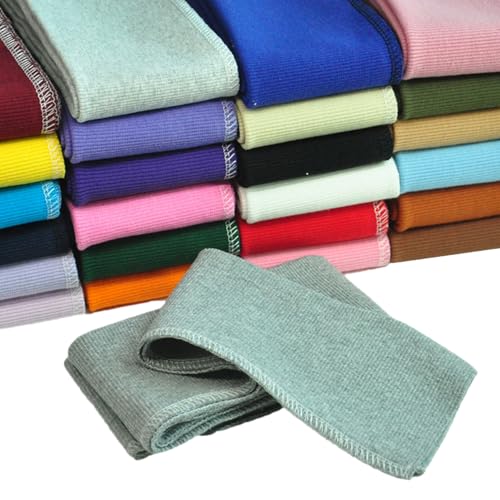
Understanding the intricacies of knit fabric finishing can significantly enhance the quality and performance of your textile products. Whether you are a seasoned designer, a fabric enthusiast, or someone who is just entering the world of textiles, having a comprehensive knit fabric finishing chart can be a game changer. This guide will delve into the various finishing processes, their applications, and how they can impact the overall look and feel of knit fabrics.
Table of Contents
- What is Knit Fabric Finishing?
- Types of Finishing Techniques
- Importance of Finishing in Knit Fabrics
- Knit Fabric Finishing Chart
- How to Choose the Right Finishing Technique
- Common Questions About Knit Fabric Finishing
- Conclusion
What is Knit Fabric Finishing?
Knit fabric finishing refers to a series of processes applied to knitted textiles after they have been manufactured. These processes can enhance the fabric’s properties, making it more suitable for specific uses. Finishing can include a variety of treatments such as washing, dyeing, heat setting, and applying special chemical finishes that improve the fabric’s performance in terms of softness, shrink resistance, and water repellency.
Types of Finishing Techniques
There are numerous finishing techniques used in the textile industry. Here are some of the most common techniques applied to knit fabrics:
Mechanical Finishing
Mechanical finishing involves physical processes to alter the fabric’s appearance and texture without using chemicals.
- Brushing: Raises fibers to create a soft texture.
- Calendering: Passes fabric between heated rollers to smooth and add luster.
- Shearing: Cuts the raised fibers to achieve an even surface.
Chemical Finishing
Chemical finishing uses various chemical treatments to enhance specific properties of knit fabrics.
- Water Repellency: Application of waterproofing agents.
- Stain Resistance: Chemical treatments to repel stains.
- Softening Agents: Chemicals that enhance the soft feel of the fabric.
Thermal Finishing
This involves using heat to stabilize or alter the fabric structure.
- Heat Setting: Used to set the shape of synthetic fibers.
- Steam Finishing: Steam is applied to remove wrinkles and set the fabric structure.
Importance of Finishing in Knit Fabrics
The finishing process is crucial for knit fabrics for several reasons:
- Aesthetic Appeal: Finishing enhances the visual attributes of the fabric, making it more appealing to consumers.
- Performance: Proper finishing improves the durability and functionality of knit fabrics, ensuring they perform well in their intended applications.
- Comfort: Softening treatments and proper finishing techniques make fabrics more comfortable to wear.
Knit Fabric Finishing Chart
Below is a knit fabric finishing chart that outlines common finishing techniques and their applications:
| Finishing Technique | Application | Benefits |
|---|---|---|
| Brushing | Used for fleece and sweaters | Creates a soft texture |
| Calendering | Used in fashion fabrics | Enhances luster and smoothness |
| Heat Setting | Used for polyester knits | Stabilizes fabric shape |
| Water Repellency | Used for outdoor garments | Increases durability in wet conditions |
| Softening Agents | Used for all types of knit fabrics | Improves comfort |
How to Choose the Right Finishing Technique
Selecting the right finishing technique depends on various factors, including the type of knit fabric, its intended use, and desired properties. Here are some tips:
- Consider the Fabric Type: Different knit fabrics respond better to specific finishing techniques. For instance, natural fibers may require different treatments compared to synthetic fibers.
- Think About the End Use: If the fabric is intended for outdoor wear, consider water repellency and durability as key factors.
- Test Before Committing: It’s wise to perform small-scale tests on sample fabrics before applying any finishing techniques to bulk materials.
Common Questions About Knit Fabric Finishing
A: The primary purpose is to enhance the fabric’s aesthetic appeal and performance characteristics, making it more suitable for its intended end use.
A: Yes, there are eco-friendly finishing treatments that use natural substances or less harmful chemicals to achieve desired fabric properties.
A: Yes, some finishing processes, like dyeing and treatments, can change or enhance the fabric’s color.
Conclusion
In summary, understanding knit fabric finishing and utilizing a knit fabric finishing chart can help you make informed decisions that enhance the quality of your textiles. By using the right techniques and treatments, you can achieve fabrics that not only look great but also perform exceptionally well in their intended applications. Whether you are designing garments or creating home textiles, the finishing process is a vital step that should not be overlooked.