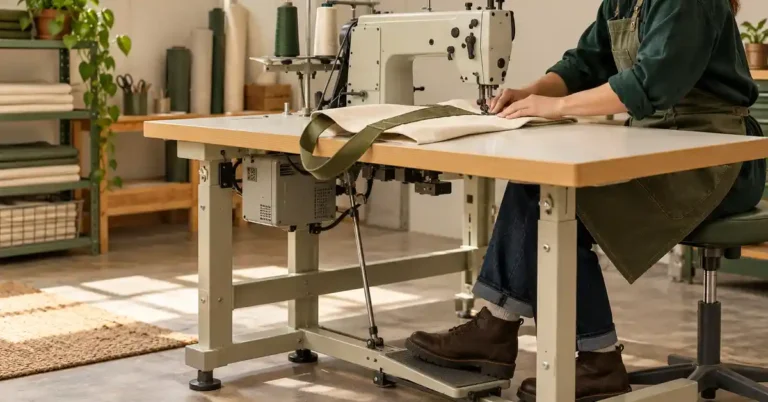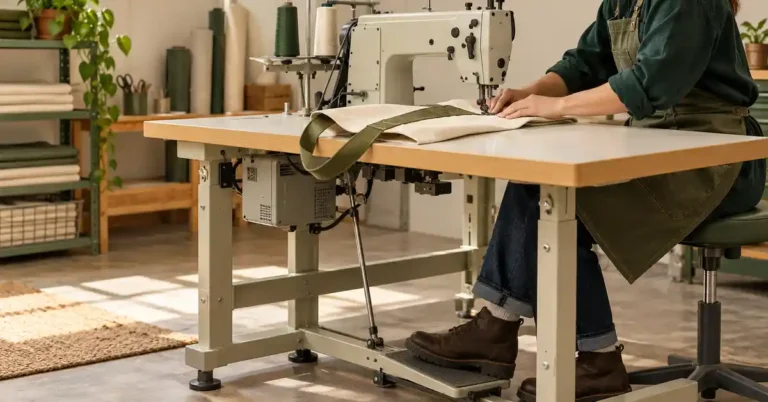
When it comes to sewing and crafting, having the right tools can make all the difference. Among those tools, a reliable sewing machine can elevate your sewing experience, whether you’re a beginner or a seasoned professional. A sewing machine not only saves time but also enhances the precision of your projects. In this article, we will explore the world of sewing machines, their features, and how to choose the right one for your needs.
Types of Sewing Machines
Sewing machines come in various types, each designed for specific tasks. Understanding these types can help you select the one that best suits your needs.
Mechanical Sewing Machines
These are the traditional sewing machines that operate using gears and levers. They are straightforward to use, making them ideal for beginners. Mechanical machines are perfect for basic sewing tasks such as repairs and simple projects.
Computerized Sewing Machines
Computerized sewing machines offer advanced features such as programmable stitches and automatic tension adjustments. These machines are suitable for those who want to explore more intricate projects like embroidery and quilting.
Serger (Overlock) Machines
Serger machines can sew, trim, and finish seams in one step, making them essential for knit fabrics and professional-looking garments. They are particularly useful for sewing stretchy or lightweight fabrics.
Embroidery Machines
Designed specifically for embroidery, these machines come with built-in designs and can also import custom designs. They are perfect for those who want to add a personal touch to their fabrics.
Essential Features of a Sewing Machine
When selecting a sewing machine, consider the following essential features that can enhance your sewing experience:
| Feature | Benefits |
|---|---|
| Automatic Needle Threader | Reduces eye strain and saves time when threading the needle. |
| Adjustable Stitch Length and Width | Provides versatility for various sewing techniques. |
| Built-in Stitches | Offers a variety of stitch options for different types of projects. |
| Drop Feed Mechanism | Allows for free-motion sewing, making it easier to quilt and embroider. |
How to Choose a Sewing Machine
Choosing the right sewing machine can be daunting with so many options available. Here’s a step-by-step guide to help you make an informed decision:
Assess Your Needs
Determine what types of projects you plan to work on. Are you focused on clothing, quilting, or embroidery? Your needs will dictate the type of machine that’s best for you.
Set a Budget
Sewing machines are available at various price points. Decide on a budget that you’re comfortable with, but remember that investing in a quality machine can save you money in the long run.
Research Brands and Models
Look into reputable brands known for their durability and customer service. You can read reviews and guides to find a model that fits your requirements. For example, consider checking out the Singer Embroidery Machine Futura or the Janome Memory Craft Embroidery Machine.
Test Before You Buy
If possible, visit a local store to test different machines. Pay attention to how they feel during operation and whether they meet your specific needs.
Maintenance and Care for Your Sewing Machine
Proper maintenance ensures your sewing machine performs optimally and lasts for years. Here are some essential care tips:
Regular Cleaning
Dust and lint can accumulate inside your machine, affecting its performance. Regularly clean the bobbin area and feed dogs to keep your machine running smoothly.
Oil Your Machine
Most sewing machines require occasional oiling. Refer to your machine’s manual for specific oiling instructions. Using the right type of oil is crucial for maintaining the machine’s lifespan.
Scheduled Servicing
Consider having your machine serviced by a professional at least once a year. This can help catch any potential issues before they become serious problems.
Troubleshooting Common Issues
Even the best sewing machines can encounter problems. Here are some common issues and their solutions:
Thread Bunching
If you notice that the thread is bunching up under the fabric, it could be due to incorrect threading, a dull needle, or improper tension. Re-thread your machine and check the needle condition.
Needle Breakage
Frequent needle breakage can be caused by using the wrong needle type for your fabric or sewing too fast. Always use the correct needle for your project and adjust your speed accordingly.
Skipped Stitches
Skipped stitches often occur due to a dull needle or incorrect needle installation. Make sure your needle is sharp and properly inserted, and consider changing it regularly to prevent this issue.
Popular Brands and Models
When shopping for a sewing machine, consider some of the popular brands known for their quality and reliability:
- Brother: Known for user-friendly machines with a variety of features suitable for beginners and advanced users alike.
- Singer: A classic brand offering a wide range of machines, from mechanical to computerized, ideal for various sewing tasks.
- Janome: Offers reliable machines that cater to both casual sewers and professionals, with a focus on durability and innovation.
FAQ
A: Mechanical sewing machines are often recommended for beginners due to their simplicity and ease of use. Look for models with basic features and adjustable stitch options.
A: It’s advisable to clean your sewing machine after every project or at least once a month, depending on usage. Regular maintenance helps prevent issues such as thread jams and uneven stitching.
A: While many sewing machines can use various thread types, it’s best to use high-quality thread suitable for your fabric and machine to achieve the best results.
In conclusion, a sewing machine is an invaluable tool for anyone looking to dive into the world of sewing and embroidery. With numerous options available, understanding the different types, essential features, and maintenance tips will help you make an informed decision. Whether you’re looking for a simple machine for basic repairs or a sophisticated model for intricate embroidery projects, the right sewing machine can transform your crafting journey. Don’t hesitate to explore the wide range of models available and find the perfect fit for your creative needs!