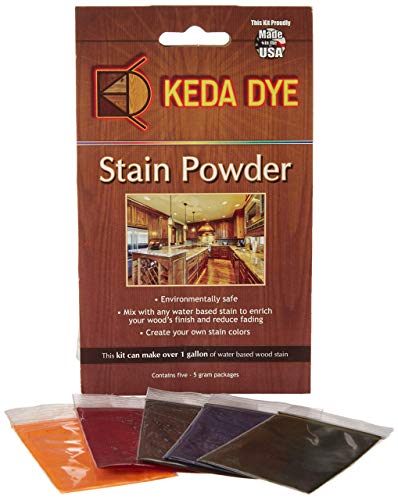

Aniline dyes for wood have gained popularity among woodworkers and artisans for their vibrant colors and ability to penetrate deeply into the wood grain. Unlike conventional stains, aniline dyes offer a transparent finish that enhances the natural beauty of the wood while providing a stunning array of hues. Whether you’re a hobbyist or a professional, understanding the properties, applications, and techniques associated with aniline dyes can elevate your woodworking projects and bring your creative visions to life.
What Are Aniline Dyes?
Aniline dyes are synthetic dyes that are typically used for coloring textiles, leather, and wood. They are produced from aniline, which is an organic compound. In woodworking, aniline dyes are prized for their ability to penetrate wood fibers and provide a deep, vibrant color that enhances the natural grain of the wood. They come in both liquid and powder forms and can be mixed with water or alcohol to create a variety of shades.
Types of Aniline Dyes
Understanding the different types of aniline dyes can help you choose the right product for your woodworking projects. There are generally two categories of aniline dyes:
1. Water-Soluble Aniline Dyes
Water-soluble dyes are the most common type used in woodworking. They dissolve easily in water, allowing for simple mixing and application. These dyes are ideal for achieving a range of colors and can be applied in multiple coats to intensify the hue.
2. Alcohol-Soluble Aniline Dyes
Alcohol-soluble dyes dissolve in alcohol, making them suitable for use on surfaces that require quick drying times. These dyes can provide a more concentrated color and are often used for applications where a fast-drying finish is desired.
Advantages of Aniline Dyes
Aniline dyes offer several benefits that make them a popular choice among woodworkers:
- Vibrant Colors: Aniline dyes provide a wide spectrum of colors, allowing for creative freedom in woodworking projects.
- Transparency: Unlike opaque stains, aniline dyes enhance the natural beauty of the wood grain, allowing its unique character to shine through.
- Deep Penetration: These dyes penetrate deeply into the wood, ensuring a long-lasting color that won’t easily fade or wear off.
- Lightfastness: Aniline dyes are resistant to fading when exposed to light, making them ideal for items that will be displayed in bright environments.
How to Use Aniline Dyes
Using aniline dyes on wood requires some preparation and technique to achieve the best results. Here’s a step-by-step guide on how to use aniline dyes effectively:
Step 1: Prepare the Wood Surface
Start by sanding the wood to a smooth finish. Use progressively finer grits of sandpaper to eliminate any rough spots. Ensure that the wood is clean and free from dust and debris before applying the dye.
Step 2: Mix the Aniline Dye
Follow the manufacturer’s instructions for mixing your aniline dye. If you’re using a powder dye, dissolve it in either water or alcohol, depending on the type you’ve chosen. Stir thoroughly to ensure that the dye is completely dissolved.
Step 3: Test the Color
Before applying the dye to your project, it’s wise to test the color on a scrap piece of wood. This will allow you to see how the dye interacts with the wood and adjust the concentration if necessary.
Step 4: Apply the Dye
Using a brush, cloth, or spray gun, apply the dye evenly across the wood surface. Work in small sections to ensure an even application. For deeper color saturation, consider applying multiple coats, allowing each coat to dry completely before adding the next.
Step 5: Seal the Finish
After the dye has dried, it’s essential to seal the wood to protect the color and enhance durability. Use a clear finish, such as polyurethane or lacquer, to seal your project. This will also add a layer of protection against moisture and wear.
Safety Precautions
While aniline dyes are effective for staining wood, it’s crucial to follow safety precautions to ensure a safe working environment:
- Ventilation: Work in a well-ventilated area to avoid inhaling fumes from the dye or solvents.
- Protective Gear: Always wear gloves, goggles, and a mask to protect against skin contact and inhalation.
- Storage: Store aniline dyes in a cool, dry place away from direct sunlight and heat sources. Keep them out of reach of children and pets.
Common Applications
Aniline dyes can be used in a variety of woodworking applications, including:
- Furniture Making: Aniline dyes are frequently used in furniture making to achieve rich, vibrant finishes that highlight the wood’s natural beauty.
- Cabinetry: Dyes can be used on cabinets to create customized looks that match any decor.
- Musical Instruments: Many luthiers use aniline dyes to color wood for guitars, violins, and other instruments to enhance their aesthetic appeal.
- Art Projects: Artists and crafters use aniline dyes in various creative projects to achieve unique colors and effects.
FAQ
A: Yes, aniline dyes can be used on a variety of wood species. However, the final color may vary depending on the wood type and its natural color and grain.
A: Removing aniline dye can be challenging. Sanding may be effective for light colors, while chemical strippers may be necessary for darker shades. Always test a small area first.
A: Drying time can vary depending on factors such as humidity and temperature. Generally, aniline dyes dry within 30 minutes to 2 hours, but it’s best to wait longer before applying a finish.
A: Yes, you can mix different colors of aniline dyes to achieve custom shades. Always test your color mixture on a scrap piece of wood before applying it to your project.
Conclusion
Aniline dyes for wood provide an excellent way to enhance the natural beauty of your woodworking projects while offering a vast array of colors. Their deep penetration and transparent finish make them a preferred choice for many artisans. By understanding how to use aniline dyes safely and effectively, you can create stunning, long-lasting finishes that will elevate your woodworking creations. Whether you’re crafting furniture or artistic projects, aniline dyes can help you achieve the vibrant colors and effects you desire.