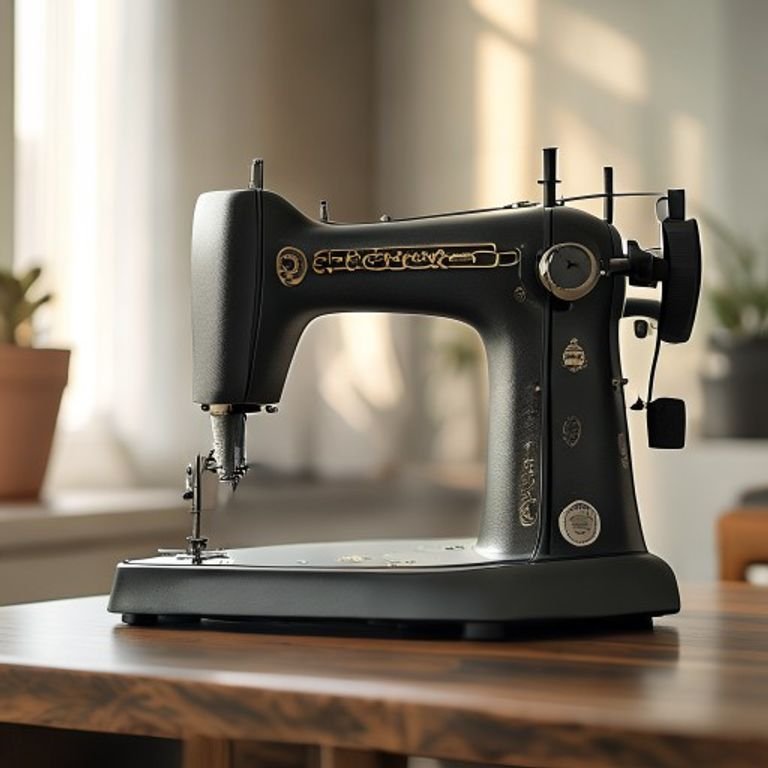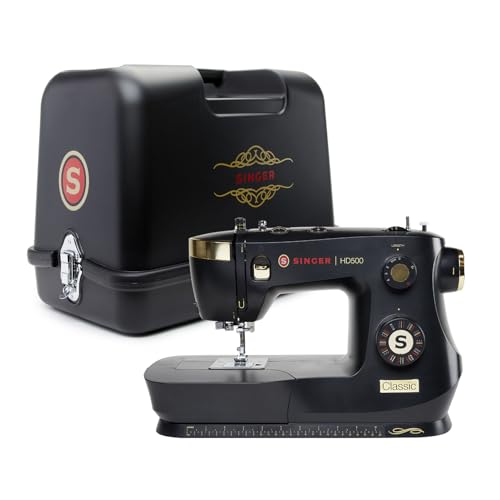

Antique Singer sewing machines have long been cherished not only for their functional capabilities but also for their historical significance and aesthetic appeal. Whether you’ve stumbled upon one in an attic, inherited it from a family member, or purchased it at a flea market, understanding the appraisal process for these vintage machines is essential for any collector or enthusiast. Knowing the value of your antique Singer sewing machine can help you make informed decisions regarding restoration, sale, or preservation.
Table of Contents
- Understanding Antique Singer Sewing Machines
- Factors Affecting Value
- The Appraisal Process
- Common Models and Their Values
- Restoration and Preservation
- FAQs
Understanding Antique Singer Sewing Machines
Founded in 1851, the Singer Sewing Company revolutionized the sewing industry with its innovative designs and manufacturing processes. Antique Singer sewing machines are generally considered those produced before 1950. These machines are often made of cast iron and feature intricate designs and embellishments, making them highly desirable to collectors.
Historical Significance
Antique Singer sewing machines were instrumental in changing the way people sewed. They brought sewing into the home and made it accessible to the masses, which had a profound impact on fashion, textile production, and domestic life. Many models have unique histories associated with them, such as being used in specific historical contexts or belonging to notable figures.
Collectibility
The collectibility of antique Singer sewing machines is influenced by various factors, including design, model, and production year. Some models are rarer than others, and certain features can enhance their desirability among collectors. Understanding the nuances of collectibility can help you better appreciate your machine’s historical context and potential market value.
Factors Affecting Value
When appraising an antique Singer sewing machine, several factors can influence its value. Understanding these factors can help you gauge your machine’s worth accurately.
Model and Rarity
Some Singer models are far rarer than others, which can significantly affect their market value. Limited production runs or unique features can make some models highly sought after by collectors. For example, the Singer Model 221, also known as the Featherweight, is particularly popular due to its portability and efficiency.
Condition
The condition of the machine plays a critical role in its appraisal. Factors such as rust, missing parts, and mechanical functionality can all impact value. A well-preserved machine with original parts will typically fetch a higher price than one in poor condition.
Original Accessories and Documentation
Having original accessories, such as foot pedals, attachments, and even the original manual, can increase the value of your antique Singer sewing machine. Collectors often seek complete sets, and having these items can make your machine more attractive on the market.
Market Demand
The demand for specific models can fluctuate based on trends in collecting and sewing. Keeping an eye on market trends can help you understand how the value of your machine might change over time. Antique shows, auctions, and online marketplaces can provide insights into current demand.
The Appraisal Process
Appraising an antique Singer sewing machine involves several steps. Whether you choose to do it yourself or seek professional help, understanding the appraisal process can help you determine an accurate value.
Research
Start with thorough research. Identify the model number, production year, and any unique features of your Singer sewing machine. Online databases, collector forums, and antique sewing machine books are excellent resources for gathering information.
Condition Assessment
Carefully assess the condition of your sewing machine. Look for signs of wear, rust, or damage. Consider the following aspects:
- Exterior condition (paint, finish, and decals)
- Mechanical function (does it run smoothly?)
- Presence of original parts and accessories
Professional Appraisal
If you’re looking for a precise value, consider hiring a professional appraiser who specializes in vintage sewing machines. They can provide an expert opinion on the machine’s value based on current market trends and its condition. Ensure they are reputable and have experience with Singer sewing machines.
Common Models and Their Values
Understanding the value of specific models can help you gauge your antique Singer sewing machine’s worth. Below is a table outlining several popular Singer models, their typical values, and factors that influence their market price.
| Model | Approximate Value | Factors Influencing Value |
|---|---|---|
| Singer Model 221 (Featherweight) | $300 – $800 | Condition, original accessories, and demand |
| Singer Model 15 | $100 – $400 | Condition and rarity |
| Singer Model 401 | $150 – $500 | Functional condition and included attachments |
| Singer Model 99K | $100 – $300 | Condition and completeness |
These values are approximate and can vary based on factors such as condition, market demand, and location. Always conduct your research to get the most accurate valuation.
Restoration and Preservation
For many collectors, restoring an antique Singer sewing machine can be a rewarding endeavor. However, it’s essential to approach restoration with care to maintain the machine’s value.
Restoration Techniques
When restoring an antique Singer sewing machine, consider the following techniques:
- Cleaning: Use gentle cleaning solutions to remove dirt and grime without damaging the finish.
- Lubrication: Use appropriate sewing machine oil to lubricate moving parts, ensuring smooth operation.
- Parts Replacement: If parts must be replaced, try to use original or period-appropriate components to maintain authenticity.
Preservation Methods
To preserve an antique Singer sewing machine for the long term, consider the following:
- Store it in a controlled environment to avoid rust and deterioration.
- Avoid exposure to direct sunlight, which can fade finishes and damage decals.
- Use protective covers when not in use to prevent dust accumulation.
FAQs
A: Look for a serial number on the machine, typically located on the base or the side of the machine. You can use this number to identify the model through online databases or resources.
A: It depends on the model and condition of the machine. Some models can significantly increase in value with restoration, while others may be more valuable in their original, unaltered state.
A: You can sell your machine through online marketplaces, auction sites, antique shops, or sewing machine collector groups. Ensure you have a good understanding of its value before selling.
A: If your antique Singer sewing machine is not functioning, consider seeking a professional sewing machine technician who specializes in vintage machines to diagnose and repair any issues.
In conclusion, appraising an antique Singer sewing machine involves understanding its historical significance, assessing its condition, and considering market factors. Whether you’re a collector or simply looking to understand the value of a cherished family heirloom, the appraisal process can provide valuable insights. Restoring and preserving these machines can also enhance their value, making them not just relics of the past but functional pieces of art that can be enjoyed for generations to come.
For beginners interested in sewing, check out our guide on the Top Beginner Sewing & Embroidery Machine: A Seamless Choice. And if you’re looking for festive inspiration, explore our Festive & Fun 4th of July Embroidery Designs!. Lastly, for those looking to enhance their skills, consider the Review: embroidery machine training and the Review: embroidery machine oil pen. For advanced projects, check out the Review: ricoma 6 head embroidery machine.