Machine embroidery is a fascinating art that combines creativity with technology, allowing you to add intricate designs and embellishments to your fabrics with precision and ease. If you’re a beginner looking to dive into the world of machine embroidery, this guide will provide you with all the essential information you need to get started. From choosing the right machine to understanding basic techniques, we’ll cover everything to ensure you embark on your embroidery journey with confidence.
Choosing a Machine
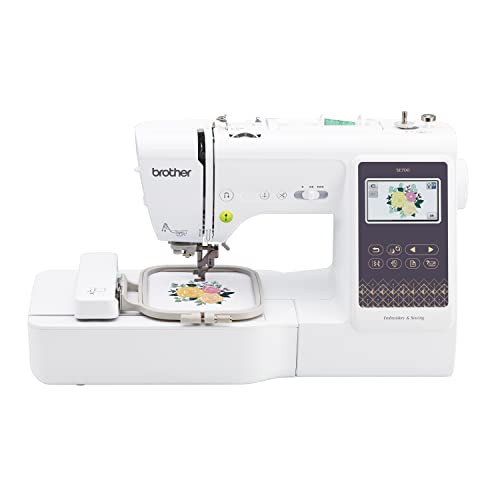
When starting with machine embroidery, selecting the right embroidery machine is crucial. There are various models available, and each comes with its unique features and capabilities.
Types of Embroidery Machines
There are primarily two types of machines to consider:
- Embroidery-Only Machines: These are dedicated machines specifically designed for embroidery. They typically offer advanced features like multiple needle positions, built-in designs, and USB ports for importing designs.
- Sewing and Embroidery Combo Machines: These machines serve dual purposes, allowing you to sew and embroider. They can be a cost-effective option for beginners who want versatility.
Factors to Consider
When selecting your machine, keep these factors in mind:
| Factor | Considerations |
|---|---|
| Budget | Prices can range significantly, so establish how much you are willing to spend. |
| Features | Look for features like hoop sizes, built-in designs, and ease of use. |
| Brand Reputation | Research brands known for their reliability and customer support. |
| Warranty | A good warranty can offer peace of mind and protection on your investment. |
Understanding Threads and Fabrics
To achieve stunning results in machine embroidery, you must understand the various threads and fabrics available.
Types of Threads
Embroidery threads come in different materials and weights:
- Polyester Threads: Durable and colorfast, making them ideal for everyday use.
- Rayon Threads: Known for their sheen and vibrant colors, perfect for decorative embroidery.
- Cotton Threads: Great for natural fabrics and provide a matte finish.
Choosing the Right Fabric
The fabric you choose can significantly affect the quality of your embroidery. Consider the following:
- Stability: Choose fabrics that are stable enough to hold the design without distorting. Common choices include cotton, denim, and canvas.
- Hooping: Ensure the fabric can be easily hooped without excessive stretching.
- Design Compatibility: Some fabrics work better with specific designs, so consider the complexity of your pattern.
Basic Techniques
Once you’ve chosen your machine and materials, it’s time to learn some basic techniques that will help you get started in machine embroidery.
Setting Up Your Machine
Proper setup is essential for smooth operation:
- Install the correct needle for your fabric type.
- Thread the machine according to the manufacturer’s instructions.
- Choose the appropriate hoop size for your design.
Basic Stitches
Familiarize yourself with common embroidery stitches that are often used:
- Satin Stitch: Used for filling shapes and creating smooth edges.
- Running Stitch: Ideal for outlines and simple designs.
- Fill Stitch: Great for covering large areas with thread.
Designs and Patterns
Your creativity will shine through the designs and patterns you choose. Here are some tips for selecting and working with them:
Finding Designs
There are numerous resources for finding embroidery designs:
- Online Marketplaces: Websites like Etsy and specialized embroidery design sites offer a vast range of patterns.
- Built-in Designs: Many machines come with pre-loaded designs that you can use right away.
- Custom Designs: You can create your own designs using software compatible with your embroidery machine.
Transferring Designs
Once you have your design, transferring it to your machine can vary depending on the model:
- USB Connection: Most modern machines allow you to import designs via USB.
- Direct Download: Some machines have Wi-Fi capabilities for direct downloads.
- Memory Cards: Older machines might require the use of memory cards to transfer designs.
Maintenance and Care
Cleaning Your Machine
Dust and lint can accumulate and affect performance. Follow these steps:
- Unplug the machine before cleaning.
- Use a soft brush to remove lint from the bobbin area.
- Wipe the exterior with a damp cloth.
Regular Servicing
Consider having your machine serviced annually by a professional to ensure it remains in top condition.
FAQ
A: The Brother PE800 is highly recommended for its user-friendly interface and versatility. Review it here.
A: It is not recommended as embroidery threads are specifically designed to withstand the tension and handling involved in machine embroidery.
A: Start with simple designs and gradually move to more complex ones as you gain confidence. Consider your fabric type and the design’s stitch density.
A: A sewing machine is designed for general sewing tasks, while an embroidery machine is specifically built for creating decorative designs and patterns on fabric.
A: Yes, incorporating Swarovski crystals can enhance your embroidery projects. Try Swarovski Crystals Once for Stunning Embroidery Results.
A: You can explore various websites and marketplaces for unique designs. Check out Exploring Embroidery Patterns for Clothes: A Seamless Guide for more insights.
A: A great beginner project is to try this embroidery stitch book kit for a fun experience!
A: Yes, themed designs, such as Stitch Middle-earth Magic: LOTR Embroidery Pattern! are available for those interested in pop culture themes.
Machine embroidery is a rewarding craft that allows for endless creativity. By choosing the right machine, understanding your materials, mastering basic techniques, and exploring designs, you’ll be well on your way to creating beautiful embroidered pieces. Remember to maintain your machine for optimal performance and have fun experimenting with various projects. Happy stitching!