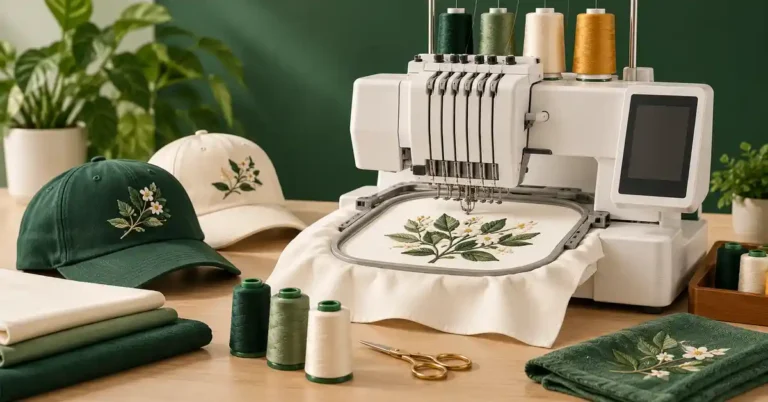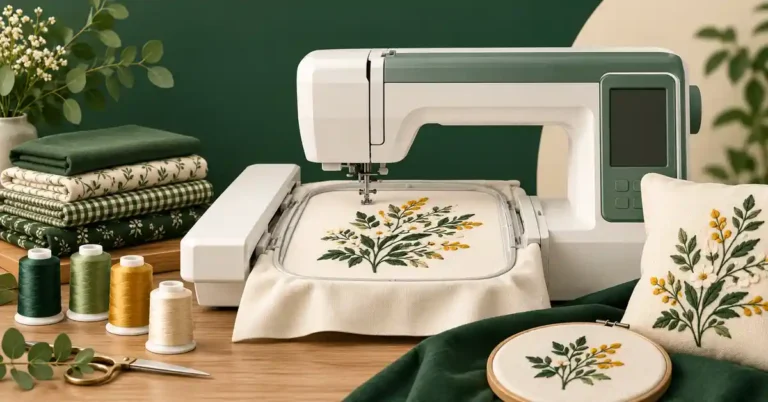

The Bernina Deco 650 embroidery machine is a game-changer for anyone who is passionate about sewing and embroidery. With its advanced features and user-friendly design, it has become a favorite among both beginners and seasoned pros alike. Whether you’re looking to personalize garments, create intricate designs for home décor, or even start a small business, the Deco 650 offers a plethora of options to unleash your creativity. In this article, we’ll dive deep into the features, benefits, and best practices for using the Bernina Deco 650, ensuring you have all the information you need to maximize your embroidery experience.
Features of the Bernina Deco 650
The Bernina Deco 650 is packed with features that make it a standout option in the embroidery machine market. Below are some of the most notable features:
1. Large Embroidery Area
One of the most significant advantages of the Deco 650 is its spacious embroidery area. With a 5.5” x 7.9” work area, you can tackle larger designs without feeling constrained. This feature is particularly beneficial when working on projects like tablecloths or larger garments.
2. User-Friendly Interface
The machine is designed with an intuitive interface that includes a color touchscreen display. This makes it easy to navigate through menus, select designs, and adjust settings without any hassle.
3. Built-In Designs and Fonts
The Deco 650 comes with a variety of built-in embroidery designs and fonts, allowing you to start personalizing your projects right away. You can also import additional designs via USB, giving you endless possibilities for creativity.
4. Advanced Stitching Options
The machine offers advanced stitching options, including multiple types of embroidery stitches and the ability to edit designs on-screen. This level of customization allows you to fine-tune designs to suit your specific needs.
5. Compatibility with Embroidery Software
The Deco 650 is compatible with various embroidery software, which means you can create complex designs and easily transfer them to your machine for stitching.
Setting Up Your Machine
Getting your Bernina Deco 650 ready for use is crucial for a smooth embroidery experience. Here’s a step-by-step guide to help you set it up correctly.
1. Unboxing the Machine
Carefully unpack your machine and all the accessories. Make sure to keep the user manual handy, as it will be a valuable resource during setup.
2. Assembling the Parts
Follow the instructions in the user manual to assemble the machine. This typically includes attaching the embroidery arm and setting up the embroidery foot.
3. Connecting to Power
Place the machine on a stable surface, plug it into a power source, and turn it on. Ensure that the power supply is stable to avoid interruptions during use.
4. Threading the Machine
Threading the machine correctly is essential for achieving high-quality stitches. Follow the threading diagram provided in the manual, and make sure to use the correct needle and thread type for your project.
5. Selecting Your Design
Once your machine is set up, use the touchscreen to select your desired embroidery design. You can edit the design, adjust the size, or add text as required.
Using the Bernina Deco 650
Now that your machine is set up, it’s time to learn how to use it effectively.
1. Preparing Your Fabric
Before you begin embroidering, make sure your fabric is pre-washed and ironed to remove any wrinkles. This ensures that your design will come out crisp and clear.
2. Stabilizing Your Fabric
Using the right stabilizer is crucial for successful embroidery. Depending on your fabric type, choose a suitable stabilizer to prevent puckering and shifting.
3. Positioning the Fabric
Hoop the fabric and stabilizer together, ensuring it’s taut but not stretched. Proper hooping is key to achieving professional-looking embroidery.
4. Starting the Embroidery
With everything set, start the embroidery process by pressing the start button on the machine. Keep an eye on the stitching process to catch any issues early.
5. Finishing Up
Once the machine has completed the embroidery, carefully remove the fabric from the hoop. Trim any excess stabilizer and threads, and give your project a final press with an iron.
Maintenance Tips
To keep your Bernina Deco 650 in optimal condition, regular maintenance is crucial. Here are some tips to ensure longevity and performance:
1. Cleaning the Machine
Regularly clean the machine to remove lint and dust that accumulate during use. Use a soft brush to clean the bobbin area and ensure the needle area is free from debris.
2. Oiling the Machine
Refer to your user manual for instructions on oiling the machine. Proper lubrication helps maintain smooth operation and prolongs the lifespan of your machine.
3. Updating Software
Keep your machine’s software up to date to access new features and improvements. Visit the Bernina website for any available updates.
4. Storing the Machine
When not in use, store your machine in a dust cover or case to protect it from dust and potential damage.
5. Regular Check-Ups
Consider scheduling regular maintenance check-ups with a professional technician to ensure your machine remains in top condition.
Frequently Asked Questions
A: The Deco 650 is primarily an embroidery machine, but it can handle basic sewing tasks. However, for extensive sewing projects, a dedicated sewing machine may be more suitable.
A: You can import designs via USB. Simply save your designs on a USB stick, plug it into the machine, and follow the on-screen prompts to access them.
A: The Deco 650 works well with various fabrics, including cotton, denim, and even delicate materials like silk. Always use the appropriate stabilizer for the fabric type.
A: It’s best to use high-quality embroidery threads, such as rayon or polyester, to achieve the best results. Brands like J&P Coats are well-regarded in the industry. You can read more about them in our article on Exploring the Quality of J&P Coats Embroidery Floss.
A: Yes, many retailers offer financing options for embroidery machines. You can find more information about financing in our article Review: finance an embroidery machine.
Conclusion
The Bernina Deco 650 embroidery machine is an exceptional tool for anyone looking to enhance their sewing and embroidery skills. With its impressive features, ease of use, and maintenance-friendly design, it stands as a reliable option for both hobbyists and professionals alike. Whether you’re creating personalized gifts, starting a home business, or simply exploring your creativity, the Deco 650 can help you achieve beautiful results. Don’t forget to explore the various fabrics, threads, and stabilizers that can elevate your projects, and consider investing in high-quality linen tablecloths for your embroidery endeavors. For more resources, check out our articles on Perfect Linen Tablecloths for Embroidery Projects! and Seamlessly Start Your Home Business with This Embroidery Machine. Happy embroidering!