The best budget sewing machine is the one that completes your real projects within the total amount you can spend. Different price ceilings create different compromises, and a sale does not change a machine's capabilities. This guide separates $100, $200, $300, $500, and $1,000 decisions, compares useful candidates, and explains supplies, condition, seller terms, and demonstrations so you can buy a workable sewing setup without treating price as a guarantee.
As an Amazon Associate, Practical Textile earns from qualifying purchases. Product links may earn us a commission.
Quick Answer
Set a total working budget, then check the live offer for each candidate before assigning it to a price band. Compare CS5055 and GX37 for a focused entry role, XR9550 for broader household use, bernette b35 for a mechanical alternative, and F300 when its complete offer fits a higher ceiling. No model is promised to stay below a price threshold permanently.
This guide compares published specifications and project fit; it does not report hands-on testing.
Brother CS5055
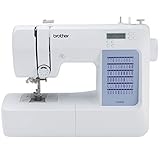
Price-check a useful household role without assuming advanced convenience features.
Brother XR9550
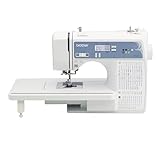
Check the current offer and the supplies budget before assigning it to a band.
Juki HZL-F300
No verified Amazon offer is linked for this model; read the buying checks below.
Compare the complete package only if the actual checkout cost fits.
How to Use the Price Bands Honestly
These are buying decisions, not permanent price labels attached to machines. Check the current Amazon offer through the AAWP box, including the exact seller, condition, shipping, and any applicable checkout costs. Remove a candidate from a band if the real total exceeds that ceiling.
Decide whether the amount is for the machine alone or for a usable starting setup. Needles, thread, correct bobbins, basic cutting and measuring tools, pressing equipment, lighting, and a stable surface can be essential. Spending every dollar on hardware can leave the first project underprepared.
This is a research-based guide rather than a hands-on price-performance contest. It does not invent a qualifying offer, promise a fixed discount, or assume that every listing at an attractive price is complete. The useful result is a machine whose actual functions and ownership terms fit your work.
| Ceiling | Main decision | Useful route | Avoid assuming |
|---|---|---|---|
| Under $100 | Whether a new limited model or inspected used option can do the job | Verify the exact low-cost model and support; compare borrowing or saving | That a miniature format is automatically easier or capable enough |
| Under $200 | A focused household starting role | Price-check CS5055 or GX37 when the live offer fits | That computerized means a speed slider or cutter is included |
| Under $300 | Whether additional useful controls or kit justify the difference | Price-check XR9550, 4423, or another appropriate offer | That spending the whole ceiling improves every seam |
| Under $500 | Complete package, control preference, and support | Compare a bernette b35 offer with capable lower-cost alternatives | That a higher price is a material-capacity rating |
| Under $1,000 | A clear improvement in repeated work | Evaluate an F300 or 9960 package only when the current total fits | That a larger stitch menu is automatically the useful upgrade |
Best Sewing Machine Under $100: Start With the Compromise
At a strict $100 ceiling, verification is especially important. A low-cost compact machine may appear attractive, but its actual controls, material limits, instructions, service, and included parts determine whether it can complete the intended work. The price alone is not a useful recommendation.
BCOOSS publishes several low-cost model families, including small stitch-menu machines and different larger-menu offers. Do not transfer specifications between them. A product title that mentions stitches and a description that mentions applications should be checked against the exact manual instead of combined into an invented count.
This guide does not identify an exact verified Amazon BCOOSS listing as a guaranteed under-$100 recommendation. A low brand-store advertisement does not establish the condition, price, stock, or package of an Amazon offer. Confirm the actual model and seller before treating any option as eligible.
An inspected used household machine can be another route, but only if the complete working setup fits the budget. A missing controller, damaged bobbin component, unavailable foot, or service requirement can remove the apparent saving. Ask to see threading, bobbin winding, stitch selection, ordinary sewing, reverse securing, and the relevant closure operation.
Borrowing a suitable machine or using classroom equipment can be sensible while you learn what features matter. This is a better-defined decision than buying an unknown unit solely to own something immediately. If the required project cannot be completed by a verified option within the ceiling, postponing purchase is a valid outcome.
Keep the intended project modest and specific. A stable woven pillow cover is a different requirement from repairing a dense workwear hem or sewing a highly stretchy garment. Do not expect a very low purchase price to cover every specialized application.
Best Sewing Machine Under $200: A Focused Household Role
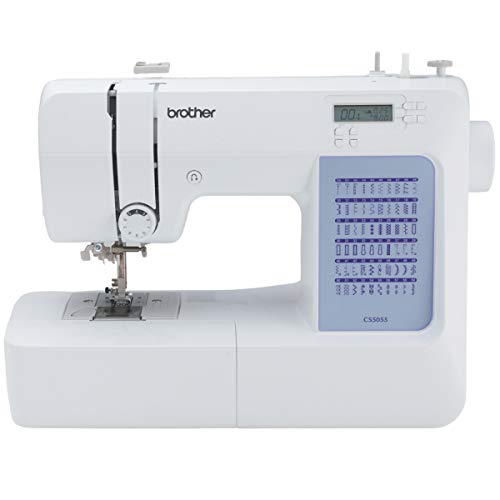

The Brother CS5055 is a candidate to price-check for this tier. Its computerized selection can suit someone who prefers a screen-based interface for ordinary sewing. It does not include an independent speed slider, automatic thread cutter, or start/stop sewing button. Those missing functions should be understood before buying rather than discovered after seeing a different computerized model demonstrated.
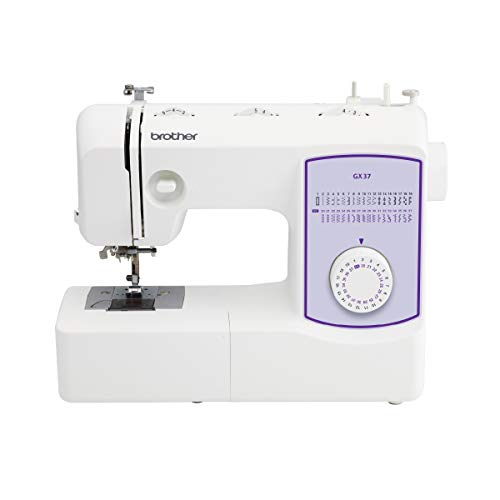
The Brother GX37 provides a mechanical comparison when the current complete offer fits. Try the dial layout and controller yourself. A physical interface may feel direct, but it still requires correct threading, compatible consumables, and practice with starting and stopping.
Compare both through the same simple operations: a marked straight seam, a gentle curve, an appropriate utility stitch, and a buttonhole if your projects require one. The better interface is the one you can operate comfortably. A larger decorative count should not determine a first household purchase.
Check which feet and bobbins are included in the exact seller package. An inexpensive machine can be good value when it supplies the required operations and support. A large bundle of generic notions is less useful if essential compatible parts are missing.
Do not force either candidate into the tier if a particular seller’s price rises above the ceiling. Compare another eligible offer or adjust the purchase plan. A named model remains a candidate to evaluate, not a standing promise that every marketplace seller will price it the same way.
Our computerized beginner guide and control-system comparison help organize this decision without requiring an immediate upgrade.
Best Sewing Machine Under $300: Buy Useful Control, Not Extra Numbers
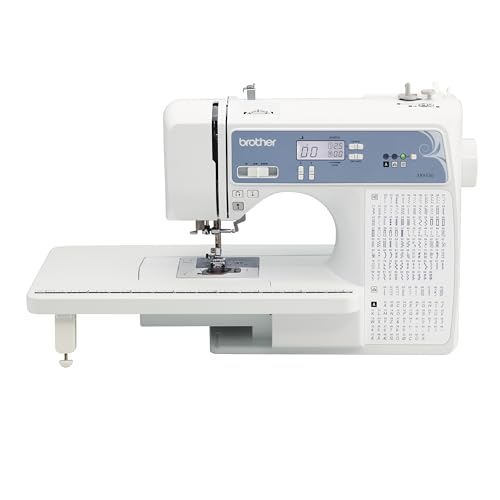
The Brother XR9550 is worth price-checking when independent speed control and a broader household kit have value. Compare what it adds to your actual projects rather than treating a larger stitch total as proof that it will sew more demanding material.
Its supplied table can help support appropriate work, but it does not enlarge throat space or move a quilt automatically. Confirm the feet relevant to your planned technique. The supplied spring-action quilting foot should not be assumed to be a supplied walking foot.
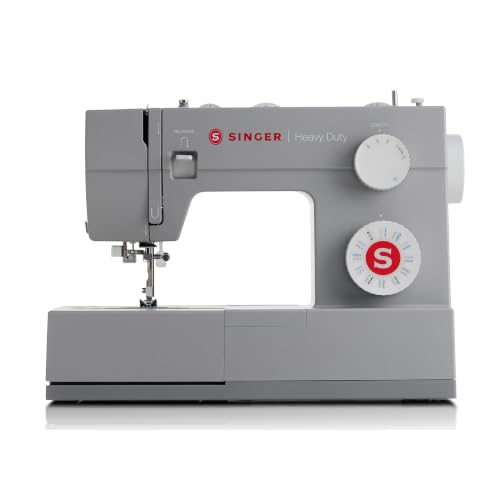
The Singer 4423 is a different mechanical candidate when its live offer fits the tier. Adjustable presser-foot pressure can be useful to evaluate on appropriate materials, while the absence of an independent computerized speed slider is another operating distinction. It should not be selected solely because its heavy-duty name sounds more capable.
Use the same folded sample on the models you compare. A garment hem crossing a seam, a lined pouch edge, or a quilt sandwich can reveal requirements that a smooth flat strip does not. Stop if the material cannot feed normally, the needle deflects, or the motor strains.
At this budget, it can also be reasonable to keep a less expensive suitable machine and reserve funds for instruction and project supplies. The ceiling is a limit, not a spending target. Extra accessories matter when you can identify the work they will perform.
Our Brother comparison and Singer 4423 review explain those distinct roles. Confirm the exact package and seller support rather than assuming every related model has the same controls.
Best Sewing Machine Under $500: Compare the Whole Ownership Offer

The bernette b35 is a mechanical option to evaluate when its actual offer fits this ceiling. The verified bundle identity includes bonus bobbins, so check the precise package instead of assuming every seller provides the same extras. A useful comparison includes instruction, service, and the operations your household needs.
This tier does not require abandoning capable lower-cost choices. If an XR9550 or another suitable model already supports the work, spending the remainder on fabric, pressing tools, classes, or a better workstation may be more useful than buying decoration you will not use.
Try a complete demonstration on the actual material. For garment work, include a closure and a curved seam. For quilting, measure a pieced unit and test layers separately. For bags, reproduce the complete reinforced junction. Each is a different reason to choose equipment.
Give return terms and service access meaningful weight. A slightly more expensive supported offer can be easier to own than an apparently discounted package with unclear parts or condition. Conversely, a higher asking price does not prove better service; ask for the details.
Do not interpret the budget as an automatic step into industrial capability. A domestic machine at this price still has a defined needle system, feed mechanism, stitch range, and intended use. Dense structural work or specialized access should be assessed in the appropriate equipment class.
Read our bernette overview and Janome comparison for additional context. Compare exact operations and support rather than treating a brand category as a universal quality rating.
Best Sewing Machine Under $1,000: Define the Upgrade
The Juki F300 is a candidate to evaluate only when the actual complete checkout cost fits your limit. Do not use a historical sale or another seller’s offer to place it in this band automatically. Compare the live package with the accessories your projects require.
Its computerized household controls and utility role can be relevant to repeated garment and quilting work. Check optional equipment: Juki identifies the wide table and knee lifter as optional for F300, while retailers may create bundles. A demonstration using those parts should not leave you assuming they are included.
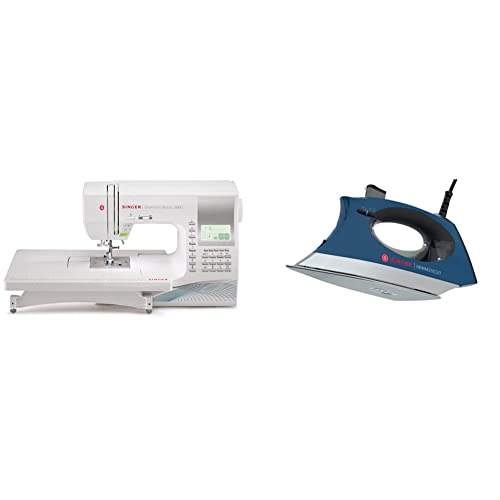
The Singer 9960 provides another feature-rich household comparison when the live offer qualifies. Its speed control, needle positioning, thread trimming, and exact accessory package may be more useful than the large decorative total. Singer’s stitch applications are not additional independent built-in patterns.
At this ceiling, identify the limitation the purchase should remove. Is it an operating convenience, a useful package, repeated closures, or a particular decorative sequence? If the problem is industrial feeding, cylinder-bed access, coverstitch, or automatic hoop embroidery, choose the appropriate equipment category rather than expecting a general-purpose machine to acquire it through price.
Consider retaining a suitable existing machine when adding a specialist. A straight-only station can complement ordinary utility sewing, but it leaves zigzag and buttonholes elsewhere. The total workspace and second-machine plan belong in the cost comparison.
Do not assume a premium or higher-priced offer improves every fabric. Bring the actual sample, operate the controls yourself, and confirm the support route. The best use of a larger budget is a demonstrable improvement in the work you repeat.
Calculate the Complete Working Setup
Write down the machine total, compatible accessories required by the first projects, needles, thread, bobbins, measuring and cutting tools, pressing equipment, and suitable support. Separate essential purchases from optional conveniences. This prevents a bargain package from expanding into an unplanned shopping list.
If you already own equipment, check what is genuinely compatible. A bobbin that looks similar or a foot that appears to attach may still be wrong. Use the exact machine and accessory instructions. Do not count unrelated supplies as part of a ready-to-sew setup.
For classes or travel, include appropriate protection and the complete packed load. A dust cover and a protective carrying case have different purposes. If the machine will be moved frequently, assess actual lifting, storage, and transport instead of relying only on a portable label.
Five Ways to Protect the Budget
- Check the current complete offer before assigning a price band.
- Buy for named operations and representative samples.
- Separate essential supplies from optional extras.
- Compare condition, instruction, return terms, and service.
- Keep a suitable lower-cost option when it already meets the work.
Two Budget Traps
- Treating a historical price or advertised discount as a current qualifying offer.
- Spending the entire ceiling on functions that do not solve the project’s requirements.
Used, Refurbished and New Are Different Comparisons
A used machine can be good value only when its condition and complete setup are understood. Ask for a demonstration of the operations you need on that actual unit. Power-on, a stock photograph, or a video of another machine does not establish its current sewing behavior.
Check the controller, power connection, bobbin components, feet, table where relevant, and manual availability. Ask about known repair history and service access. Missing parts or immediate service can change the apparent saving substantially.
Refurbished offers also need exact terms. Identify who performed the work, what is included, which warranty applies, and how returns are handled. Do not assume that the word refurbished means the same inspection or coverage from every seller.
Compare the usable purchase with a suitable new option in the same complete budget. A more expensive machine is not automatically the better value, and a lower used price is not automatically the economical route. The right comparison includes the work you can actually complete after purchase.
Use a Repeatable Demonstration Checklist
Bring a normal fabric sample and the hardest appropriate seam from the projects you plan. Include interfacing, lining, folded allowances, or batting where relevant. Use the same sample and questions with each candidate so the comparison remains useful.
Try threading, inserting the correct bobbin, selecting a stitch, sewing slowly, stopping at a mark, and performing a relevant closure. Inspect both sides. If a control or accessory motivates the purchase, operate that function yourself rather than watching only the demonstrator.
Keep the successful samples and setup notes. They provide a reference after buying and help support staff understand a later problem. For compatible Brother models, our needle guide and tension guide support systematic setup checks alongside the exact manual.
Match the Ceiling to a Real Project
For a stable woven pillow cover, a focused household machine may already supply the required operations. The useful spending priorities can be instruction, accurate cutting, and an appropriate setup. A larger decorative menu does not make the rectangles more accurate or press the seams.
For a garment with buttonholes and zippers, evaluate those closures on the actual fabric and interfacing. A bargain price is not enough if the machine or supplied tools cannot produce the intended finish. For knitwear, check required seam elasticity and distinguish ordinary sewing from serging and coverstitch.
For quilting, separate piecing from layered work and large-quilt handling. A table supplies support, not additional throat space or automatic movement. For bags, assess the complete junction and assembly access rather than a flat outer-fabric scrap.
These examples explain why two buyers with the same dollar limit can reasonably choose different machines. The amount limits the purchase; the project defines the capability. Keep those two questions separate throughout the comparison.
Frequently Asked Questions
Are all the featured machines guaranteed below the listed ceilings?
No. Offers, conditions, sellers, and checkout costs change. Check the current AAWP offer and complete package before assigning a candidate to a band. Exclude any offer that exceeds the amount available.
Is a new machine under $100 always the best beginner purchase?
No. Verify actual functions, instructions, support, and the intended project. An inspected used option, borrowing, classroom equipment, or waiting for a suitable purchase can be more appropriate than an unknown low-cost unit.
Should I spend the full budget?
Only when the additional cost solves a clear requirement. A suitable lower-cost machine plus instruction and essential supplies may be more useful than a larger feature menu you do not use.
Does a higher budget guarantee better heavy-fabric performance?
No. Feed system, needle and thread compatibility, seam stack, access, and intended use determine suitability. Price is not an unlimited material-capacity rating.
Which candidate should I compare first?
Start with the required operations and live eligible offers. Compare CS5055 or GX37 for a focused entry role, XR9550 for broader household control, b35 for a mechanical alternative, and F300 or 9960 when a higher-ceiling package has a defined purpose.
Final Recommendation
Set the total working limit, identify the actual project requirements, and compare current complete offers within that amount. Use each price band as a decision framework rather than a permanent machine ranking. The strongest budget purchase leaves you with compatible supplies, an understood setup, satisfactory samples, and a practical support route—not merely a receipt showing that you spent less than the ceiling.