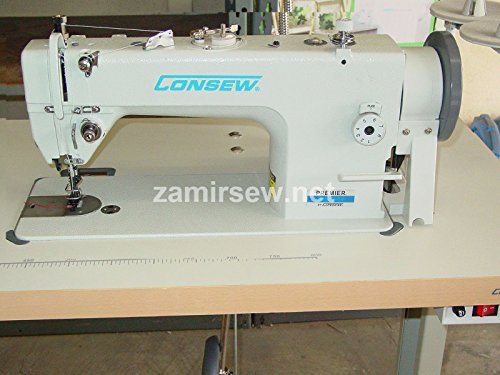

The Consew T-1919 sewing machine stands out in the world of sewing and embroidery for its durability, efficiency, and versatility. Whether you’re a professional seamstress or a hobbyist, understanding the features and advantages of this machine can help you make an informed decision. This article delves into everything you need to know about the Consew T-1919, including its specifications, usability, and maintenance tips.
Table of Contents
- Key Features of the Consew T-1919
- Benefits of Using the Consew T-1919
- How to Use the Consew T-1919
- Maintenance Tips for Longevity
- Common Issues and Troubleshooting
- FAQ
Key Features of the Consew T-1919
The Consew T-1919 is designed for heavy-duty sewing tasks. Below, we explore some of its standout features:
Heavy-Duty Construction
This machine is built to withstand tough materials like leather and thick fabrics, making it ideal for upholstery, canvas, and other heavy textiles.
High-Speed Sewing
It can sew at speeds of up to 1,800 stitches per minute, allowing for efficient project completion.
Walking Foot Mechanism
The walking foot feature ensures even feeding of multiple layers of fabric, reducing the chances of slipping or misalignment.
Adjustable Stitch Length
Users can easily adjust the stitch length according to their project needs, enhancing versatility.
Robust Motor
Equipped with a powerful motor, the T-1919 can handle various sewing tasks without compromising performance.
Benefits of Using the Consew T-1919
Choosing the Consew T-1919 brings numerous advantages to sewing enthusiasts:
Versatility
Whether you’re working on leather goods, upholstery, or general sewing projects, the T-1919 adapts to different materials with ease.
Durability
This machine is designed with longevity in mind, ensuring that it can endure the rigors of heavy use without breaking down.
User-Friendly Features
Despite its heavy-duty capabilities, the T-1919 is user-friendly, making it accessible for beginners and experienced sewists alike.
Cost-Effectiveness
Investing in a durable machine like the T-1919 can save you money in the long run, as it requires less frequent repairs and replacements.
How to Use the Consew T-1919
Getting started with the Consew T-1919 is straightforward. Here’s a step-by-step guide:
Setting Up the Machine
- Place the machine on a sturdy table to ensure stability during use.
- Plug it in and turn on the power switch.
- Thread the machine according to the manual’s instructions.
Choosing the Right Needle and Thread
Select a needle and thread suitable for your fabric type. For heavy materials, consider using a thicker needle and polyester or nylon thread.
Adjusting the Settings
Set the stitch length according to your project requirements. The T-1919 allows for easy adjustments.
Start Sewing
Place your fabric under the presser foot, lower it, and start sewing at a comfortable speed. Use the handwheel to manually lower the needle into the fabric if necessary.
Maintenance Tips for Longevity
Cleaning the Machine
Dust and lint can accumulate in the machine, affecting performance. Regularly clean the feed dogs and bobbin area with a soft brush.
Oiling the Machine
Refer to the manual for specific oiling instructions. Regularly oil the machine to keep it running smoothly.
Checking the Tension
Keep an eye on the thread tension. Adjust it as necessary to avoid issues like thread breakage or fabric puckering.
Storing the Machine
When not in use, cover the machine with a dust cover to protect it from dust and debris.
Common Issues and Troubleshooting
While the Consew T-1919 is a reliable machine, users may encounter some common issues. Here’s how to troubleshoot them:
Thread Breakage
If the thread keeps breaking, check for the following:
- Incorrect threading.
- Using the wrong needle for your fabric.
- Improper tension settings.
Skipped Stitches
Skipped stitches can be frustrating. Ensure that:
- The needle is not damaged.
- The needle is installed correctly.
- The machine is properly threaded.
Fabric Puckering
Puckering often occurs due to incorrect tension. Adjust the tension settings to find the right balance for your fabric.
A: The T-1919 is ideal for upholstery, leather goods, and other heavy-duty sewing projects.
A: Yes, it is user-friendly and can be learned quickly, making it suitable for both beginners and experienced sewists.
A: Regular cleaning and oiling should be done after every few projects, while professional servicing is recommended annually.
FAQ
A: While it is designed for heavy-duty materials, it can also handle lighter fabrics with the correct needle and settings.
A: Replacement parts can typically be found through authorized Consew dealers or online sewing supply retailers.
In conclusion, the Consew T-1919 sewing machine is an excellent investment for anyone serious about sewing and embroidery, especially when working with heavier materials. Its robust construction and user-friendly features make it a favorite among both beginners and professionals. Whether you’re looking to create upholstery, leather goods, or any heavy-duty sewing project, the T-1919 can meet your needs effectively. To explore more sewing options, check out the Brother Designio DZ820E, or read reviews on the Brother NQ3550W and the Janome Embroidery Machine. For professional embroidery, you might want to explore the Entrepreneur Pro X or the PE 500 Brother models.