Sewing is a beloved craft that allows you to create and personalize your own garments, accessories, and home decor. Among the various materials you may encounter, leather stands out for its durability and unique texture. However, if you’re wondering, “can you sew leather with a regular machine?” you might be surprised to learn that the answer is not as straightforward as it seems. While many home sewing machines are capable of sewing fabric and lightweight materials, leather presents unique challenges that require special techniques and equipment. In this article, we will explore the nuances of sewing leather, the capabilities of regular sewing machines, and the best practices to achieve professional-looking results.
Understanding Leather
Leather is a natural material that comes from the hide of animals, primarily cows. It is known for its strength, flexibility, and timeless aesthetic appeal. However, leather can vary significantly in thickness and texture, which can affect how it should be sewn. Different types of leather, including full-grain, top-grain, bonded, and suede, also have unique characteristics that can influence your sewing process.
Types of Leather
Before you start sewing, it’s crucial to understand the types of leather you may encounter:
- Full-Grain Leather: The highest quality leather, maintains the original grain and is known for its durability.
- Top-Grain Leather: Slightly less durable than full-grain but has a smoother finish, making it easier to work with.
- Bonded Leather: Made from leather scraps bonded together; it’s more affordable but less durable.
- Suede: The inner layer of the hide, offering a soft texture but can be more challenging to sew due to its delicate nature.
Sewing Machines and Leather
When it comes to sewing leather, the type of sewing machine you use is crucial. Standard sewing machines can sew leather, but not all are created equal. Machines designed for heavier fabrics typically handle leather better, while lightweight machines may struggle.
Regular Sewing Machines
Most home sewing machines can handle lightweight leather or thin leatherette. However, thicker leathers may pose a challenge, potentially causing skipped stitches or damage to the machine. If your sewing machine is not equipped for heavy materials, consider the following:
- Check your machine’s specifications to determine its weight capacity.
- Use a leather needle designed to pierce through thick materials without damaging them.
- Opt for a heavier thread, such as polyester or nylon, which can withstand the stress of sewing leather.
Specialized Machines
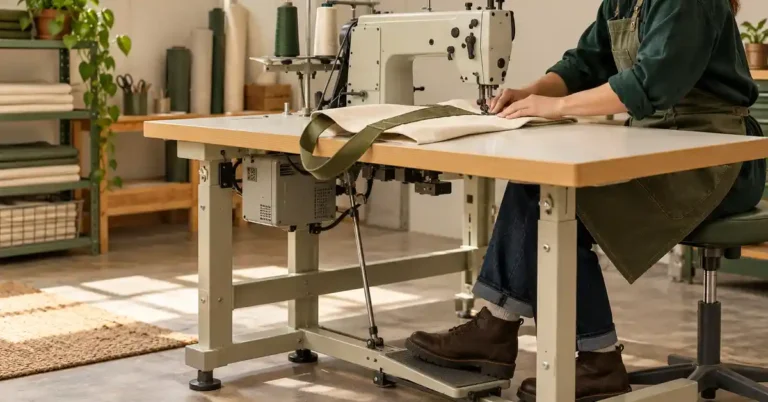
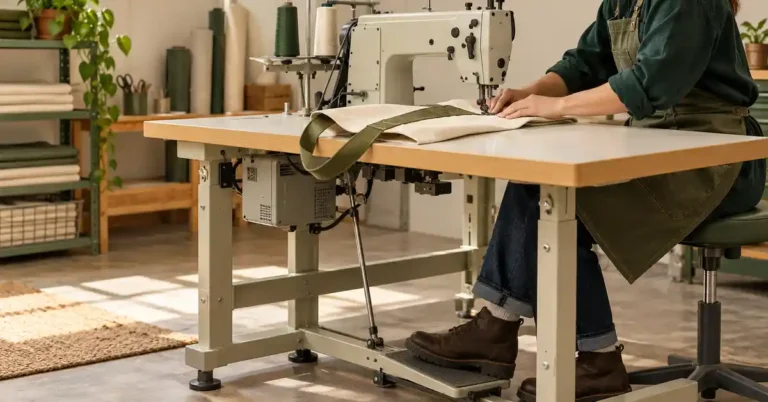
For those who plan to sew leather frequently or work with heavier materials, investing in a walking foot sewing machine or an industrial sewing machine may be worthwhile. A walking foot machine helps feed multiple layers of leather evenly, preventing puckering and uneven stitching. Industrial sewing machines are designed specifically for heavy fabrics and can handle thick leather with ease.
Preparation for Sewing Leather
Before you begin sewing, proper preparation is essential for a successful project. This includes selecting the right tools, preparing your workspace, and cutting your leather accurately.
Tools You Will Need
- Leather needle
- Heavy-duty thread
- Rotary cutter or sharp scissors
- Cutting mat
- Measuring tape or ruler
- Seam gauge
- Clips or specialized leather pins
Cutting Leather
Cutting leather accurately is crucial for achieving clean edges and a professional finish. Use a rotary cutter for precise cuts, and always cut on a cutting mat to protect your work surface. Measure twice and cut once to avoid waste.
Sewing Techniques for Leather
Once you have prepared your leather and gathered the necessary tools, it’s time to dive into the sewing techniques that will help you achieve the best results.
Setting Up Your Machine
Before you start sewing, ensure your machine is set up correctly for leather projects. Here’s how:
- Install a leather needle in your machine.
- Thread your machine with heavy-duty thread.
- Adjust the stitch length to a longer setting (at least 3.0 mm) to prevent perforation of the leather.
- Lower the presser foot pressure if your machine allows it, as this can help with feeding the leather.
Stitching Techniques
When sewing leather, consider these techniques for the best results:
- Use Straight Stitches: Straight stitches are the most common for leather, as they provide a clean and strong seam.
- Backstitching: Always backstitch at the beginning and end of your seam to secure it properly.
- Edge Finishing: Use edge tools to finish the edges of your leather for a polished look.
Joining Leather Pieces
When joining multiple pieces of leather, it’s important to use the right attachments:
- Clips: Use clips instead of pins to avoid leaving holes in the leather.
- Seam Tape: Consider using seam tape to hold pieces together temporarily before sewing.
Care and Maintenance of Leather Projects
Once your leather project is complete, proper care is essential to ensure its longevity. Here are some tips for maintaining your leather items:
Cleaning Leather
To clean leather, use a damp cloth and a mild soap solution. Avoid soaking the leather, as excessive moisture can lead to damage. Always test any cleaning solution on a small, inconspicuous area to ensure it does not discolor the leather.
Conditioning Leather
Leather benefits from regular conditioning, which helps keep it supple and prevents cracking. Use a leather conditioner specific to the type of leather you are working with. Apply it sparingly and buff with a soft cloth.
FAQ
A: Yes, you can sew leather with a regular sewing machine, but ensure it is capable of handling heavier materials and use the appropriate needle and thread.
A: Use a leather needle, which has a wedge-shaped point designed to pierce through leather without causing damage.
A: It’s best to use heavy-duty polyester or nylon thread, as these are stronger and more suitable for leather applications.
A: Ensure your sewing machine is set up correctly, use the right needle and thread, and avoid sewing through extremely thick layers.
A: Yes, sew slowly and use a walking foot to help guide the leather through the machine for better control around curves.
Conclusion
Sewing leather with a regular machine is indeed possible, but it requires careful preparation, the right tools, and techniques to ensure a successful outcome. By understanding the characteristics of leather, choosing the appropriate machine and needle, and employing best practices in sewing and maintenance, you can create beautiful leather projects that stand the test of time. Whether you’re crafting a bag, jacket, or home decor item, the effort you put into learning how to sew leather will pay off in the quality and durability of your finished pieces. With the right approach, you can confidently tackle leather sewing and transform your wardrobe with your creations!
For more sewing inspiration and projects, check out our articles on transforming your wardrobe with clever patches, or explore beautiful embroidery wall hanging designs to enhance your sewing skills!