
Singer Simple Sewing Machine Reviews: Compare 3223 and 3337 Carefully
Singer Simple sewing machine reviews should identify the model before describing the features. Simple is a product-range name, not a promise that setup.

This guide has Amazon links. If you buy through them we may earn a small commission, at no extra cost to you.
Singer Simple sewing machine reviews should identify the model before describing the features. Simple is a product-range name, not a promise that setup and practice disappear. This guide compares 3223 and 3337 roles, explains the buttonhole and bobbin differences to verify, and outlines useful first-project tests so you can choose an understandable household machine and supported package rather than borrowing specifications from a similarly named offer in the same range.
As an Amazon Associate, Practical Textile earns from qualifying purchases. Product links may earn us a commission.
What’s in this article19 sections
Quick Answer
Compare the exact Simple model, controls, bobbin arrangement, and buttonhole process before choosing. The 3337 has a one-step buttonhole and top drop-in bobbin; do not assign those features to every Simple machine. Check the current offer and package. The 4423 and CS5055 boxes identify different alternatives, not substitute Simple listings.
This guide compares published specifications and project fit; it does not report hands-on testing.
Singer Simple 3337

Check current offers, condition, accessories, and seller terms.
Singer Heavy Duty 4423
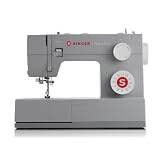
Compare a separate mechanical role on the actual material.
Brother CS5055
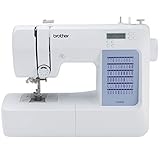
A different interface; check each convenience feature individually.
Options organized by use
| Option | Reason to compare | Practical selection note |
|---|---|---|
| Singer Simple 3223 | Basic mechanical comparison | Use the exact manual and supplied kit when evaluating an offer. |
| Singer Simple 3337 | Different mechanical package | The reviewed page lists 29 stitches and a one-step buttonhole; demonstrate its specific controls. |
| Singer 4423 | Heavy Duty alternative category | Compare only when the actual project needs justify moving outside the Simple range. |
The Simple name does not make the 3223 and 3337 interchangeable. Check the model label, bobbin arrangement, and buttonhole sequence before buying replacement accessories. If a seller offers a used unit, request pictures of the controller, supplied feet, and a completed buttonhole rather than accepting a generic family photograph.
Simple is a range name, not a guarantee of effortless sewing
A straightforward control layout can be appealing, but every sewing machine still needs correct setup and practice. The name should not replace a threading demonstration or a sample of the operation you will repeat.
Look at the exact model label and manual. A review of one Simple model should not supply another model’s stitch count, needle-threading process or accessory list. Marketplace titles can shorten names, so confirm the selected variation before comparing packages.
Compare the relevant equipment categories using the sewing machine buying guide.
Threading and bobbin setup matter for occasional users
Ask to thread the machine yourself and prepare the bobbin according to its instructions. That reveals whether visibility, access and the sequence are comfortable. An experienced operator’s quick setup may conceal the step a beginner finds difficult.
If the machine will be stored between projects, keep the manual and a personal setup note with it. Use the correct bobbins and accessories rather than guessing from similar appearance. A small setup mistake can look like a sewing defect and make a suitable machine frustrating to use.
For related sewing preparation and problem-solving, see the sewing techniques and troubleshooting.
Compare buttonholes through your actual garment
A row of openings makes the buttonhole operation important. Use the intended button and interfaced fabric, then make several samples. Confirm whether the exact model uses the operation style you prefer rather than borrowing a feature from the next model in the range.
For a sewist who rarely makes openings, control of a straight seam or zipper may matter more. The point is to compare repeated operations, not to rank every feature equally. A machine should be easy to use for your pattern, not just simple to describe in a listing.
Explore accessory categories in our sewing machine parts and accessories; use the exact manufacturer manual for compatibility and maintenance.
Stitch applications are not separate built-in patterns
Singer uses application counts to describe techniques possible with its stitches. Compare built-in patterns with built-in patterns and inspect the actual chart. A large application figure should not be presented as the same number of separate selectable stitches.
For decoration, try the specific pattern on suitably prepared fabric. For stretch sewing, test the seam under the intended movement. An attractive printed stitch chart does not establish the finished result on every material.
When another Singer range is the relevant comparison
If the planned work includes more demanding household seam stacks, evaluate a Heavy Duty model with a real sample. If it needs electronic workflow controls, compare a computerized category. Those are changes in features and control approach, not automatic upgrades for every beginner.
Choose a complete supported offer and leave budget for supplies and instruction. The product boxes identify their models explicitly. Compare the selected variation and exact current offer, and do not treat a 4423 or another alternative as an identical Simple-range purchase.
Five advantages and two limitations
Advantages
- Exact model comparison keeps the Simple range understandable.
- Physical controls may suit some beginners and occasional users.
- A complete setup demonstration addresses common learning friction.
- Buttonhole samples connect features to clothing projects.
- Application-count checking prevents misleading stitch comparisons.
Limitations
- The Simple label does not eliminate setup and technique requirements.
- Similarly named models and seller bundles should not share one specification.
Check the exact listing and documentation
Singer Simple 3223: Manufacturer information for Singer Simple 3223
Singer Simple 3337: Manufacturer information for Singer Simple 3337
Singer 4423:
Simple 3337: Evaluate Its Actual Setup

Singer describes the 3337 with a top drop-in bobbin, one-step buttonhole, and 29 built-in stitches. Its larger application figure describes uses of the available stitches rather than additional patterns. Those specific functions belong to this model, not automatically to every machine in the Simple family.
Try threading and bobbin insertion using the exact manual. A machine that arrives pre-threaded can start quickly, but you still need to understand the routine after a thread breaks or the bobbin changes. Ask to perform the setup yourself rather than relying on an experienced demonstrator’s prepared machine.
Check the current seller offer, condition, and inventory. A verified model identity does not establish permanent stock or a particular seller’s package. Confirm the feet and documents essential to your work before treating the purchase as complete.
Simple 3223: Keep the Mechanical Comparison Separate
The 3223 is a mechanical comparison with a different buttonhole and bobbin arrangement to verify. Its documented 23-stitch role should not inherit the 3337’s count or one-step buttonhole. Match the exact manual and sales-region model when checking an offer.
Try the buttonhole sequence on an interfaced sample with the intended button. A four-step process can be workable when understood, while someone making repeated closures may prefer a different mechanism. The useful distinction is the operation you will repeat, not a claim that one control style is appropriate for every beginner.
Do not import another market’s voltage, warranty, package, or price into a US purchase. A similar model name can appear in regional offers. Confirm that the actual unit and seller terms suit the location where it will be used.
Use Three Small Projects to Evaluate Everyday Value
A stable woven pillow cover tests straight seams, consistent allowances, corners, and a simple closure. Choose an appropriate pattern and fabric so the first evaluation is not dominated by a difficult slippery or stretchy material. Pressing and accurate cutting remain part of the result.
A small pouch can introduce a zipper or another suitable closure. Confirm the compatible foot and practice its use on scrap. A specialized foot provides access; it does not mark the zipper position or correct an inaccurate seam line.
An ordinary alteration can be a later test once the setup is familiar. Reproduce the complete folded hem first, particularly where it crosses another seam. Stop if the machine strains or cannot feed normally. A successful flat sample does not prove suitability for every garment thickness.
When a Different Interface Is Worth Comparing
The CS5055 offers computerized selection, while the Simple models discussed here use mechanical controls. Do not assume the electronic option includes an independent speed slider, automatic thread cutter, or start/stop sewing button; that model does not provide those conveniences.
Our control-system guide explains the distinction. Try stitch selection, slow starts, and stopping at a mark on the candidates you compare. The interface should feel understandable while you actually operate the machine.
The computerized beginner guide provides another learning perspective. A screen is neither a barrier to all beginners nor a substitute for practicing threading and fabric guidance.
Build a Small Compatible Accessory Kit
Start with correct bobbins, suitable needles and thread, basic measuring and cutting tools, and the feet required by the first projects. Keep parts for different machines labeled. A large generic accessory assortment has little value if compatibility is uncertain.
Check the exact attachment and needle-clearance instructions before using another foot. A part that fastens onto the machine is not necessarily appropriate for every stitch width or position. The model manual and accessory directions should control the setup.
For further comparisons, read our Singer 4423 review, 4411 comparison, and Brother machine guide. Compare the actual operations and complete packages rather than treating a related model as an identical substitute.
Make the Routine Easy to Resume After Storage
Occasional sewing becomes easier when the correct manual, a setup note, and compatible supplies stay with the machine. Keep one successful sample labeled with its fabric, thread, needle, foot, and settings. Reproduce it after a long break before starting an important garment.
Follow the exact cleaning and maintenance instructions, including when power should be isolated. If ordinary setup checks do not restore reliable sewing, seek model-specific support. The range name is not a reason to ignore a persistent problem or experiment with unfamiliar mechanical adjustments.
Include the Table and Learning Arrangement
Place the machine on a stable surface with room for the material to move. A garment or curtain panel hanging from the edge can pull against feeding and make a straightforward seam feel difficult. Arrange lighting and seating so you can see the seam guide without leaning into the needle area.
Try the controller from your normal seated position. Short seams and corners require comfortable starts and stops more than a high maximum speed. An awkward chair or shifting pedal can affect the demonstration, so distinguish the workspace problem from the machine’s controls.
Ask what instruction and service accompany the exact offer. A clear orientation can help an occasional user more than an unused accessory bundle. Confirm the return process and where support is obtained before deciding that the lowest advertised price is the best complete purchase.
A Project Check Before You Commit
Practice the complete buttonhole sequence on each Simple model you are considering. The process, foot, and preparation should correspond to the exact manual. A seller’s quick straight-stitch demonstration does not reveal whether the buttonhole controls are understandable or whether the correct accessory is present.
Keep the bobbins identified by model if the household uses more than one machine. Similar-looking parts should not be exchanged on appearance alone. During acceptance, wind and load a bobbin, rethread from the beginning, and finish a modest woven project. This tests whether you can repeat the setup independently. A useful simple machine is one you can operate consistently with suitable parts and clear instructions, rather than one that merely arrives prethreaded and runs once.
Keep a copy of the exact manual with the accessories. Clear model identification is particularly useful when a family owns several similarly named Singer machines that use different procedures or parts.
Frequently Asked Questions
Does Simple Singer mean any easy Singer machine?
It can refer to a named product range. Identify the exact model before comparing features.
Are 3223 and 3337 identical?
No. Use each model’s own documentation, controls and supplied package.
Does 3337 have 108 separate stitches?
The checked page distinguishes 29 built-in stitches from 108 applications.
Can a Simple machine perform automatic logo embroidery?
Do not assume that. Ordinary decorative sewing is a different capability from imported-design hoop embroidery.
Should I choose Heavy Duty instead?
Only after comparing the actual project, control preferences and seam sample. Branding alone does not settle the choice.
Final Recommendation
Choose a Simple model through exact identification and a complete setup-and-sew trial. Compare 3223 and 3337 using their own manuals and offers, then consider another range only when it supplies a useful difference. The best household purchase leaves you understanding the controls and support arrangement rather than relying on the word Simple.
