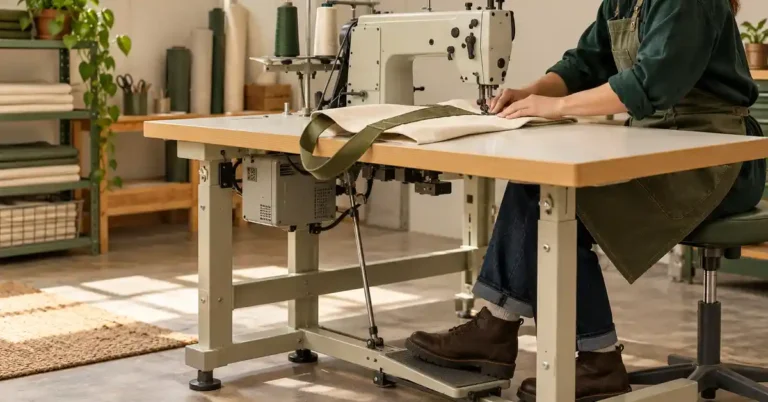
Embroidery has been a cherished craft for centuries, allowing individuals to create intricate designs and personalize fabrics with unique artistry. While traditional hand embroidery remains popular, many people are turning to sewing machines for their embroidery needs. The question arises: can you use a sewing machine to embroider? The answer is a resounding yes, but there are nuances to consider. This article explores the mechanics of using a sewing machine for embroidery, the differences between sewing machines and dedicated embroidery machines, tips for successful projects, and much more.
Sewing Machine vs. Embroidery Machine
Understanding the distinction between sewing machines and embroidery machines is crucial for anyone considering embroidery projects. While both types of machines can sew, they serve different purposes and have unique capabilities.
Functionality
Sewing machines are primarily designed for construction stitching, such as seams and hems. They typically offer a variety of stitch options, including straight, zigzag, and decorative stitches. While many sewing machines can perform basic embroidery, they might lack the specialized features necessary for intricate designs.
Embroidery Capabilities
Dedicated embroidery machines, on the other hand, are engineered specifically for embroidery tasks. They often come with features such as:
- Built-in embroidery designs
- Automatic thread cutting
- Advanced hooping mechanisms
- Larger embroidery areas
- Computer connectivity for design downloads
Cost Considerations
Typically, sewing machines are more affordable than dedicated embroidery machines. If you’re a beginner or only plan to do occasional embroidery, using a sewing machine could be a cost-effective option. However, for serious embroidery enthusiasts or professionals, investing in an embroidery machine may be worthwhile for its advanced features.
How to Use a Sewing Machine for Embroidery
If you’ve decided to use your sewing machine for embroidery, here are the steps to get started:
Prepare Your Materials
Gather the necessary materials, including:
- Fabric (preferably stable, such as cotton or canvas)
- Embroidery thread
- Embroidery needle
- Stabilizer (to support the fabric during stitching)
- Embroidery designs (either digitized files or pre-made templates)
Set Up Your Sewing Machine
Follow these steps to prepare your machine:
- Install the embroidery foot. This foot allows for free motion stitching and is necessary for creating designs.
- Thread your machine with embroidery thread, using a top thread and a bobbin that matches your fabric.
- Attach your chosen stabilizer to the fabric. This stabilizer prevents puckering and provides support during stitching.
Choose Your Design
Select an embroidery design that suits your project. If your sewing machine has built-in designs, you can choose one directly from the machine. If you have a digitized design, transfer it to your machine via USB or other means as specified by your machine’s manual.
Start Embroidering
With everything set up, you’re ready to start embroidering:
- Position your fabric in the embroidery hoop.
- Align the design on the fabric, ensuring it is centered.
- Lower the presser foot and begin stitching. Monitor the process to ensure everything runs smoothly.
- Once completed, gently remove the fabric from the hoop, trim any excess stabilizer, and check your work for any adjustments.
Best Practices for Embroidery with a Sewing Machine
To ensure the best results when using a sewing machine for embroidery, consider the following best practices:
Choose the Right Fabric
The choice of fabric can significantly affect your embroidery outcome. Sturdier fabrics like cotton or canvas hold embroidery stitches better than stretchy fabrics. Always test a sample if you’re unsure.
Use Quality Materials
Invest in high-quality embroidery threads and needles designed specifically for embroidery. This can prevent thread breakage and ensure a smoother stitching process.
Hooping Techniques
Proper hooping is essential for successful embroidery. Ensure the fabric is taut but not overly stretched in the hoop. This will help maintain consistent tension during stitching.
Stabilization
Choosing the right stabilizer is crucial. For heavy or densely stitched designs, a heavier stabilizer may be necessary. Conversely, lighter stabilizers may work for delicate designs.
Common Challenges When Using a Sewing Machine for Embroidery
While using a sewing machine for embroidery can be rewarding, it comes with its own set of challenges. Here are some common issues and how to address them:
Puckering
Puckering occurs when the fabric gathers unevenly during stitching. This can be caused by inadequate stabilizing or using a fabric that is too lightweight. To combat puckering, ensure proper stabilizer use and choose a heavier fabric.
Thread Breakage
Thread breakage can be frustrating and time-consuming. It may occur due to improper tension settings or using the wrong type of thread. Always use embroidery threads and adjust the tension based on the fabric and thread type.
Misalignment of Design
If designs are not aligning correctly, check the hooping process. Misalignment is often due to incorrect positioning or insufficient fabric tension. Take your time to align the fabric accurately before beginning the embroidery.
Machine Compatibility
Not all sewing machines are created equal, and some may not support embroidery at all. Check your machine’s specifications and capabilities before attempting embroidery.
A: Not all sewing machines are suitable for embroidery. Some machines come with embroidery capabilities, while others are strictly for sewing. Always check your machine’s manual for details on its embroidery functions.
A: An embroidery machine is specifically designed for creating embroidery designs, while a sewing machine is primarily used for sewing fabric together. Embroidery machines often have additional features like larger hoops and built-in designs.
A: It’s best to use embroidery-specific thread, which is designed to withstand the stresses of stitching and provide a smooth finish. Cotton or polyester threads are popular choices.
Frequently Asked Questions
A: Yes, many regular sewing machines can be used for free-motion embroidery by lowering the feed dogs and using a free-motion foot.
A: Yes, using an embroidery needle is recommended as it has a larger eye to accommodate thicker embroidery threads and a rounded tip to prevent fabric damage.
A: If you plan to do a lot of embroidery work or require intricate designs, investing in a dedicated embroidery machine can provide you with advanced features and ease of use.
In addition, if you’re looking for more insights into the world of embroidery machines, check out the Poolin Embroidery Machine Review for detailed features and performance insights.
In conclusion, while a sewing machine can certainly be used for embroidery, it’s essential to understand its limitations and how it differs from dedicated embroidery machines. By following best practices, understanding your materials, and being aware of common challenges, you can create beautiful embroidered pieces using your sewing machine. Whether you are a beginner or seeking to enhance your skills, creating embroidery with a sewing machine can be a fulfilling and creative endeavor.