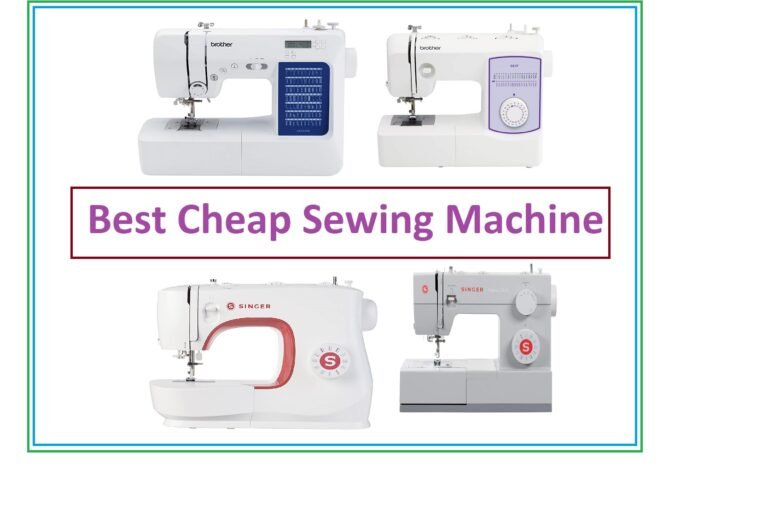
Sewing machines have come a long way since their inception, evolving from simple mechanical devices to complex electronic tools that cater to a variety of sewing needs. Whether you are a beginner looking to explore the world of sewing or a seasoned professional seeking advanced features, understanding the cost of sewing machines is crucial for making an informed decision. Prices can vary significantly based on brand, features, and functionality, making it essential to evaluate your needs before making a purchase.
Table of Contents
- Factors Affecting the Cost of Sewing Machines
- Types of Sewing Machines and Their Costs
- Budgeting for a Sewing Machine
- Where to Buy Sewing Machines
- Maintenance Costs to Consider
- FAQ
- Conclusion
Factors Affecting the Cost of Sewing Machines
When determining the cost of a sewing machine, several factors come into play. Understanding these elements can help you make a more informed decision about which machine is right for your sewing projects.
Brand Reputation
The brand of the sewing machine can significantly influence its price. Established brands like Singer, Brother, and Janome often come with a higher price tag due to their reputation for quality and reliability. Conversely, lesser-known brands may offer lower prices but could lack in durability or feature sets.
Features and Functionality
Sewing machines come equipped with a variety of features, which can greatly affect their cost. Basic machines may include essential stitches and manual controls, generally priced between $100 and $300. In contrast, advanced machines with computerized functions, embroidery capabilities, and a wide range of stitch options can range from $500 to over $10,000.
Type of Machine
The type of sewing machine also plays a crucial role in determining its price. Basic sewing machines, sergers, embroidery machines, and quilting machines each have different price ranges. For instance, a simple sewing machine may cost around $200, while a high-end embroidery machine can reach upwards of $5,000.
Accessories and Warranty
Many sewing machines come with additional accessories such as presser feet, extension tables, and instructional manuals that can influence the overall cost. Additionally, manufacturers often provide warranties that can vary in length and coverage, impacting the machine’s price.
Types of Sewing Machines and Their Costs
Understanding the different types of sewing machines available can help you navigate the pricing landscape more effectively.
Mechanical Sewing Machines
Mechanical sewing machines are ideal for beginners and those who primarily sew basic projects. These machines typically feature a limited number of stitches and are operated manually. Prices for mechanical sewing machines usually range from $100 to $300.
Electronic Sewing Machines
Electronic sewing machines offer more features than their mechanical counterparts, including a wider range of stitches and automatic functions. These machines are suitable for intermediate to advanced sewers and typically cost between $300 and $700.
Computerized Sewing Machines
Computerized sewing machines come equipped with advanced technology, making them user-friendly and versatile. They often feature touch screens, built-in embroidery designs, and automatic thread cutters, with prices ranging from $700 to $2,500.
Embroidery Machines
For those interested in adding intricate designs to their projects, embroidery machines are a great option. These machines specialize in embroidery and can range from $500 for entry-level models to over $10,000 for professional-grade machines.
Quilting Machines
Quilting machines are designed specifically for quilting projects, offering features like a larger throat space and walking feet. Prices for quilting machines can start at around $600 and go up to several thousand dollars for advanced models.
Budgeting for a Sewing Machine
Budgeting for a sewing machine involves more than just the initial purchase price. Here are some essential considerations to help you establish a realistic budget:
Initial Costs
Begin by determining how much you are willing to spend on a sewing machine. Factor in the type of machine you need based on your intended projects and the features that are most important to you.
Ongoing Expenses
In addition to the purchase price, consider ongoing costs such as sewing supplies, maintenance, and repairs. This can include fabric, thread, needles, and other accessories that contribute to your sewing projects.
Saving Strategies
If your desired sewing machine is outside your budget, consider saving strategies such as:
- Setting a monthly savings goal.
- Shopping during sales or using coupons.
- Exploring financing options if available.
Where to Buy Sewing Machines
Finding the right place to purchase your sewing machine can affect both price and customer service. Here are some common options:
Local Fabric Stores
Many local fabric stores carry a selection of sewing machines and often provide knowledgeable staff who can assist you in making a selection. Purchasing locally can also allow you to test the machines before buying.
Online Retailers
Online shopping offers a wider variety of choices and often competitive prices. Websites like Amazon, eBay, and dedicated sewing machine retailers can provide great deals, but be sure to read reviews and check return policies.
Second-Hand Options
Buying a second-hand sewing machine can be a cost-effective option. Check local classifieds, thrift shops, or online marketplaces for used machines. However, ensure you inspect the machine for any damages and test its functionality before purchasing.
Maintenance Costs to Consider
Owning a sewing machine involves ongoing maintenance costs that can add up over time. Here’s what to keep in mind:
Regular Servicing
To keep your sewing machine in optimal condition, regular servicing is essential. This can range from cleaning and oiling to more comprehensive maintenance checks. Expect to spend anywhere from $75 to $150 annually for professional servicing.
Replacement Parts
Over time, parts such as needles, presser feet, and belts may need replacement. Having a small budget set aside for these expenses can help avoid unexpected costs.
Supplies
In addition to machine maintenance, you will also need to budget for sewing supplies such as fabric, thread, scissors, and additional tools. These can vary in cost based on the projects you undertake.
A: A good quality sewing machine typically ranges from $300 to $700, depending on the features and brand.
A: Yes, many brands offer budget-friendly options for beginners, with prices typically starting around $100 to $200 for basic models.
A: It is recommended to service your sewing machine at least once a year, or more frequently if you sew regularly.
Conclusion
Understanding the cost of sewing machines is essential for making an informed decision that aligns with your sewing needs and budget. With a wide range of options available, from basic mechanical machines to advanced computerized models, there is a sewing machine for every level of expertise and project type. By considering factors such as brand, features, and ongoing maintenance costs, you can find the perfect sewing machine that will inspire creativity and enhance your sewing experience. Whether you are creating beautiful embroidery designs or crafting your own clothing, investing in the right sewing machine is a step towards achieving your sewing goals.
For those interested in embroidery, explore our recommendations for Top Embroidery Designs Teachers Will Love or check out Effortlessly Craft Sweatshirts: Top Embroidery Machine Picks to find the perfect machine for your needs. Additionally, you can dive into the value of Chinese Silk Embroidery or read a detailed Review of the White Embroidery Machine 4400. Lastly, if you’re looking for an easy-to-use project, consider our Beautiful Embroidery Kit, Naturally Easy to Use!