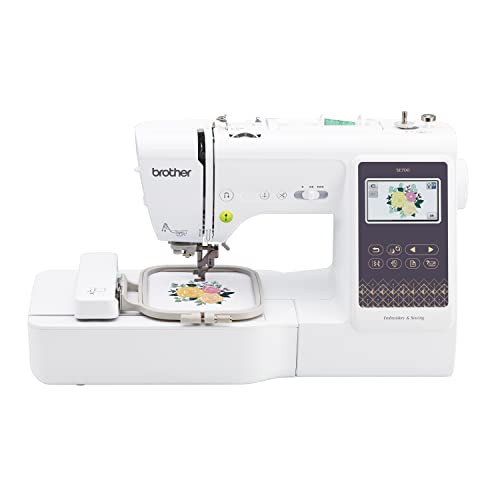
Whether you are a seasoned embroiderer or just starting your creative journey, a Cricut machine can revolutionize your approach to embroidery. Combining cutting-edge technology with user-friendly design, Cricut machines offer a range of features that can significantly enhance your sewing and embroidery projects. From intricate designs to precise cuts, these machines are a valuable tool for anyone looking to add a personal touch to their fabric creations.
Table of Contents
- What is a Cricut Machine?
- Benefits of Using a Cricut Machine for Embroidery
- How to Use a Cricut Machine for Embroidery
- Best Cricut Machines for Embroidery
- Tips for Successful Embroidery with a Cricut Machine
- Common Mistakes to Avoid
- FAQ
What is a Cricut Machine?
A Cricut machine is an electronic cutting tool that uses a small blade to cut various materials like paper, vinyl, fabric, and more. It connects to your computer or mobile device, allowing you to design and customize your projects using Cricut’s Design Space software. While primarily known for crafting, Cricut machines have gained popularity in the embroidery world, enabling users to create unique designs that can be embroidered onto fabrics.
Benefits of Using a Cricut Machine for Embroidery
Using a Cricut machine for embroidery offers numerous advantages. Here are some key benefits:
- Precision: Cricut machines are designed for accuracy, allowing you to create detailed and intricate designs.
- Versatility: You can work with various materials, including fabrics, leather, and faux leather, expanding your creative possibilities.
- User-Friendly: The Design Space software is relatively easy to navigate, making it accessible for beginners.
- Time-Saving: The automated cutting process speeds up your project completion time, allowing for more creativity in less time.
- Cost-Effective: Investing in a Cricut machine can reduce the costs associated with custom embroidery services.
How to Use a Cricut Machine for Embroidery
Using a Cricut machine for embroidery involves a few steps, which can be broken down as follows:
Step 1: Design Your Project
Start by creating your design in Cricut’s Design Space. You can either upload your own design or choose from a library of pre-made options. Ensure that your design is compatible with the Cricut machine’s capabilities.
Step 2: Prepare Your Materials
Select the fabric you want to embroider on and prepare it by placing it on a cutting mat. Make sure the fabric is securely adhered to the mat to prevent shifting during the cutting process.
Step 3: Cut Your Design
Load your cutting mat into the Cricut machine and select the material type in the Design Space. The machine will automatically adjust the blade depth and speed for optimal cutting. Once everything is set, start the cutting process.
Step 4: Embroider Your Design
After cutting, you can use an embroidery machine to stitch your design onto the fabric. If you don’t have an embroidery machine, you can hand-embroider the design or use iron-on patches for simpler projects.
Best Cricut Machines for Embroidery
Choosing the right Cricut machine can significantly affect your embroidery projects. Here are some of the best options:
| Model | Key Features | Best For |
|---|---|---|
| Cricut Maker 3 | Smart cutting technology, rotary blade for fabric, 300+ materials | Advanced users, complex designs |
| Cricut Explore 3 | Fast cutting speed, compatible with a wide range of materials | Users looking for versatility and speed |
| Cricut Joy | Compact size, easy to use, perfect for smaller projects | Beginners, small-scale projects |
Tips for Successful Embroidery with a Cricut Machine
To make the most of your Cricut machine for embroidery, consider these practical tips:
Choose the Right Fabric
Different fabrics behave differently when cut and embroidered. Cotton is usually the best choice for beginners due to its ease of handling. For more advanced users, experimenting with knits, silks, or denim can yield beautiful results.
Use the Right Blade
Make sure to use the appropriate blade for the fabric you are cutting. The rotary blade is ideal for fabric, while the fine-point blade works well for paper and vinyl.
Adjust Your Settings
Don’t forget to adjust the cut settings in Design Space based on the material you are using. Different fabrics may require different pressure and speed settings.
Practice Makes Perfect
Don’t be discouraged by initial challenges. Like any skill, mastering embroidery with a Cricut machine takes time and practice. Start with simple designs and gradually increase complexity as you gain confidence.
Common Mistakes to Avoid
Even experienced crafters can make mistakes when using a Cricut machine for embroidery. Here are some common pitfalls to avoid:
- Skipping Fabric Preparation: Always pre-wash and iron your fabric to avoid shrinking and ensure the best results.
- Ignoring Software Updates: Regularly check for updates to Cricut’s Design Space for new features and bug fixes.
- Underestimating Material Costs: Keep in mind that quality materials can be an investment, but they pay off in durability and finish.
- Neglecting Maintenance: Regularly clean your Cricut machine to prolong its life and maintain cutting precision.
FAQ
A: Yes, many professionals use Cricut machines for their embroidery projects due to their precision and versatility. However, the final quality will also depend on your embroidery skills and techniques.
A: While you can cut fabric designs with a Cricut, an embroidery machine is recommended for stitching the designs onto fabric. However, some users opt for hand embroidery or iron-on techniques.
A: Cotton is the most recommended fabric for beginners. However, you can also use other fabrics such as linen, felt, and jersey, depending on your project.
A: Absolutely! You can create custom designs using graphic design software and upload them to Cricut’s Design Space for cutting.
In conclusion, a Cricut machine offers a fantastic opportunity for those interested in embroidery, blending technology with creativity. By understanding the capabilities of your Cricut, choosing the right materials, and applying helpful tips, you can elevate your embroidery projects to new heights. Whether you’re crafting personalized gifts or starting a small business, the versatility and precision of a Cricut machine can be an invaluable asset in your sewing and embroidery toolkit. With the right approach, you can create stunning, intricate designs that showcase your unique style and craftsmanship.
For more information on embroidery machines suitable for clothing businesses, check out our review. If you’re interested in specific models, consider the Brother PR650E or the Brother PE900. You can also explore creative applications like Air Force 1 embroidery or find inspiration in stylish embroidery denim dresses for women.