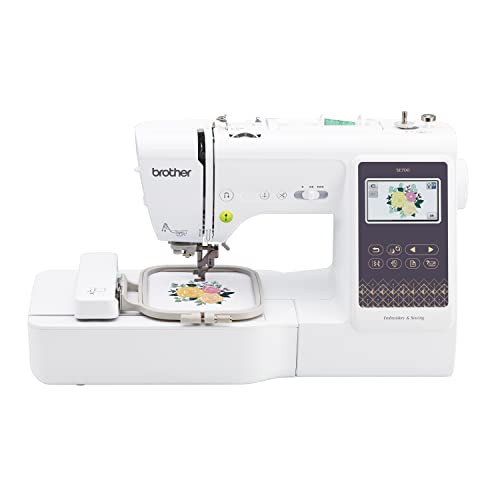
Diy Embroidery Machine
On this page
With the rise of personalized fashion and home decor, DIY embroidery machines have become increasingly popular among crafting enthusiasts. These machines allow users to create custom designs on various fabrics, offering endless creative possibilities. Whether you’re a seasoned pro or just starting your sewing journey, investing in a DIY embroidery machine can open up a world of artistic expression. In this article, we will explore everything you need to know about DIY embroidery machines, including their features, benefits, and tips to make the most out of your machine.
Table of Contents
- What is a DIY Embroidery Machine?
- Benefits of Owning a DIY Embroidery Machine
- Choosing the Right DIY Embroidery Machine
- Basic Features to Look For
- Maintenance and Care
- Tips for Beginner Embroiderers
- FAQ
What is a DIY Embroidery Machine?
A DIY embroidery machine is a specialized sewing device designed to stitch intricate designs, patterns, and text onto fabric. Unlike traditional sewing machines, embroidery machines come equipped with advanced technology that allows users to upload and customize designs, often via USB or computer software. These machines can handle a variety of fabrics, making them versatile tools for any sewing enthusiast.
Benefits of Owning a DIY Embroidery Machine
Investing in a DIY embroidery machine comes with numerous benefits, making it a worthwhile addition to your crafting arsenal.
1. Customization
One of the primary advantages of a DIY embroidery machine is the ability to create custom designs. From monograms to personalized logos, you can easily add a personal touch to clothing, accessories, and home decor.
2. Variety of Designs
Many DIY embroidery machines come with built-in designs and patterns, allowing you to explore different styles without needing to create everything from scratch. Additionally, you can download designs online or create your own using embroidery software.
3. Increased Efficiency
Embroidery machines can complete designs much faster than hand embroidery, making them a time-saving investment for both hobbyists and small business owners.
4. Professional Quality
With a DIY embroidery machine, you can achieve professional-quality results right from your home. This is particularly beneficial for those looking to start a small embroidery business or create gifts that impress.
Choosing the Right DIY Embroidery Machine
When selecting a DIY embroidery machine, consider your specific needs and preferences. Here are some factors to keep in mind:
1. Purpose
Are you using the machine for personal projects, or do you plan to start a small business? Your intended use will significantly influence your choice.
2. Budget
Embroidery machines come in various price ranges. Set a budget and look for machines that offer the best features within that range. Don’t forget to account for additional costs, such as threads and fabric.
3. Ease of Use
If you’re new to embroidery, look for a machine that is user-friendly and comes with a comprehensive manual or online tutorials.
4. Size and Portability
Consider where you will be using your machine. If you need to move it frequently, a lighter model may be more practical.
| Feature | Importance |
|---|---|
| Built-in Designs | Essential for quick projects |
| Embroidery Area Size | Affects the size of designs you can create |
| Software Compatibility | Allows for custom design uploads |
| Warranty | Provides peace of mind and protection |
Basic Features to Look For
When shopping for a DIY embroidery machine, certain features will enhance your experience and results:
1. LCD Screen
A clear LCD screen makes it easier to navigate settings and design options. Look for a touchscreen model for added convenience.
2. USB Port
A USB port allows you to upload your designs directly from your computer, expanding your creative possibilities.
3. Adjustable Speed Control
Adjustable speed settings let you control the pace of your embroidery, which is useful for intricate designs.
4. Automatic Thread Cutter
This feature saves time and ensures clean cuts between color changes, improving the overall look of your finished product.
Maintenance and Care
To keep your DIY embroidery machine in optimal condition, regular maintenance is essential. Here are some tips:
1. Cleaning
Regularly clean your machine to remove lint and dust. Follow the manufacturer’s instructions for proper cleaning techniques.
2. Oil the Machine
Some machines require occasional oiling. Check your manual for specific instructions on how and when to oil your machine.
3. Update Software
If your machine uses software, ensure you keep it updated to access new features and improvements.
4. Store Properly
When not in use, cover your machine to protect it from dust and store it in a safe, dry place.
Tips for Beginner Embroiderers
If you’re new to embroidery, here are some practical tips to help you get started:
1. Start Simple
Begin with simple designs to build your confidence and skills before moving on to more complex projects.
2. Practice on Scrap Fabric
Before working on your final project, practice on scrap fabric to ensure you understand the settings and techniques.
3. Invest in Quality Thread and Fabric
Using high-quality materials will enhance the look of your embroidery and reduce the likelihood of issues during stitching.
4. Join a Community
Connect with other embroiderers through online forums or local groups. Sharing tips and experiences can be invaluable for beginners.
A: Prices can vary widely, from a few hundred dollars for basic models to several thousand for professional-grade machines. Determine your budget before shopping.
A: While most machines can handle a variety of fabrics, always check the manufacturer’s guidelines for specific recommendations and limitations.
A: Some machines come with design software, but you can also purchase third-party software or use free online tools to create custom designs.
Conclusion
A DIY embroidery machine is a fantastic investment for anyone interested in sewing and embroidery. With the ability to create custom designs and the efficiency of machine stitching, you can express your creativity in ways you never thought possible. Remember to consider your needs when selecting a machine, maintain it properly, and practice regularly to build your skills. Whether you’re crafting personalized gifts or starting a small business, a DIY embroidery machine can help you achieve stunning results. Don’t forget to explore additional resources such as embroidery machine repair near me and check out exciting projects like the Stunning Red Dress with Gorgeous Embroidery for inspiration!