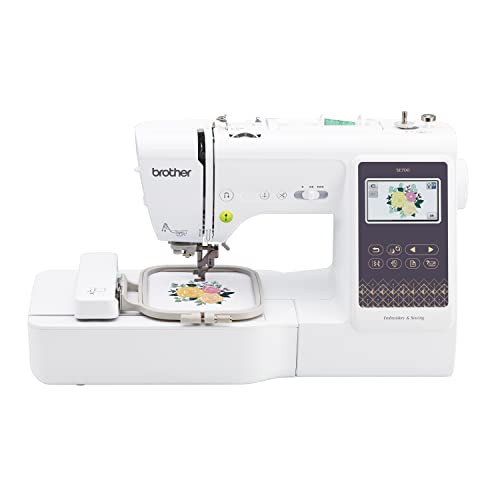
Embroidery has evolved dramatically over the years, transitioning from traditional hand-stitching techniques to the advanced technology of embroidery machines. For hobbyists and professionals alike, the introduction of the EMB machine has revolutionized the way we create intricate designs on fabric. Whether you’re looking to start a small business or simply want to enhance your sewing projects, understanding the capabilities and options available with EMB machines is essential. This article will delve into the various aspects of EMB machines, their benefits, types, and tips for choosing the right one for your needs.
What is an EMB Machine?
An EMB machine, or embroidery machine, is specifically designed to create decorative stitching and patterns on fabric. Unlike regular sewing machines, which focus on straight and zigzag stitches, EMB machines offer a wide variety of stitch designs, including intricate patterns, monograms, and decorative designs. These machines operate using computerized technology that allows users to upload designs and customize them according to their preferences.
Benefits of EMB Machines
Investing in an EMB machine offers numerous advantages, especially for those who frequently engage in sewing and embroidery projects. Here are some key benefits:
- Versatility: EMB machines can handle various fabrics and design types, allowing for creative freedom.
- Efficiency: Automated stitching processes save time and effort compared to manual embroidery techniques.
- Quality: Machines provide consistent and high-quality stitches, ensuring professional results.
- Customization: With the ability to upload designs, users can create unique pieces tailored to personal or client needs.
- Business Opportunities: For entrepreneurs, EMB machines can open doors for custom embroidery services, merchandise, and more.
Types of EMB Machines
Understanding the different types of EMB machines available can help you make an informed decision based on your needs. Here are the primary categories:
Single Needle EMB Machines
Single needle EMB machines are ideal for beginners and hobbyists. They are typically more affordable and easier to use, making them perfect for home sewing projects.
Multi-Needle EMB Machines
Multi-needle EMB machines feature multiple needles, allowing users to work with various thread colors simultaneously. This capability makes them suitable for more advanced embroidery projects and commercial use.
Commercial EMB Machines
Designed for high-volume production, commercial EMB machines are robust and equipped with advanced features. They are ideal for businesses that require speed and efficiency for large orders.
Features to Consider When Buying EMB Machines
When choosing an EMB machine, several features should be considered to ensure you select the right one for your projects:
| Feature | Description | Importance |
|---|---|---|
| Stitch Quality | Look for machines that produce high-quality, consistent stitches. | Essential for professional-looking results. |
| Speed | Machines with higher stitching speeds can complete projects faster. | Important for efficiency, especially in commercial settings. |
| Design Capability | Check if the machine supports various file formats and design downloads. | Allows for creative versatility and customization. |
| Hoop Size | Consider the maximum hoop size for larger designs. | Affects the scale of the projects you can undertake. |
| Ease of Use | User-friendly interfaces and tutorials can ease the learning curve. | Important for beginners and those unfamiliar with embroidery machines. |
Maintenance and Care
To ensure your EMB machine remains in optimal condition, proper maintenance and care are crucial. Here are some key maintenance tips:
- Regular Cleaning: Dust and lint can accumulate, affecting performance. Regularly clean the machine according to the manufacturer’s instructions.
- Oil Moving Parts: Lubricate moving parts as advised to keep them functioning smoothly.
- Check Tension: Ensure the thread tension is correctly set for different fabrics and designs.
- Storage: Store the machine in a dust-free environment and cover it when not in use to protect it from environmental factors.
Popular EMB Machine Brands
Several brands are known for their quality and reliability in the embroidery machine market. Here are a few popular options:
- Brother: Known for its user-friendly machines, Brother offers a range of options from beginner to professional models. Check out the Brother Entrepreneur Pro X PR1050X Embroidery Machine Review for more details.
- Janome: Janome machines are celebrated for their durability and advanced features, ideal for both home and commercial use. For more insight, read the Janome Memory Craft Embroidery Machine Review.
- Ricoma: Ricoma specializes in commercial embroidery machines and parts. Explore their offerings in the Review: Ricoma Embroidery Machine Parts.
- Bernina: Known for high-quality stitching, Bernina machines are a favorite among serious crafters.
A: Single needle EMB machines like those from Brother are often recommended for beginners due to their ease of use and affordability.
A: Yes, many EMB machines also offer standard sewing functions, making them versatile for various projects.
A: Prices can vary widely based on features and brand, but quality EMB machines typically range from $300 to over $10,000 for commercial models.
A: Yes, accessories like different hoop sizes, stabilizers, and specialty threads can enhance your embroidery projects. Consider reading about the Mighty Hoop for Brother Embroidery Machine for a helpful accessory.
FAQ
As with any significant purchase, potential buyers often have questions regarding EMB machines. Here are some common inquiries:
A: Designs can be transferred via USB, direct connection to a computer, or through memory cards, depending on the machine’s capabilities.
A: While EMB machines can work with a variety of fabrics, it’s essential to choose the right stabilizer and settings for each material to achieve optimal results.
A: Regular cleaning, oiling, and checking tension settings are critical for keeping your machine in good working order.
In conclusion, EMB machines have transformed the landscape of sewing and embroidery, offering enthusiasts and professionals alike the ability to create stunning designs with efficiency and precision. By understanding the different types of machines, their features, and the benefits they provide, you can make an informed decision when selecting the right EMB machine for your projects. With proper maintenance and care, your EMB machine can serve you well for years to come, helping you unleash your creativity and potentially even launch a successful embroidery business.