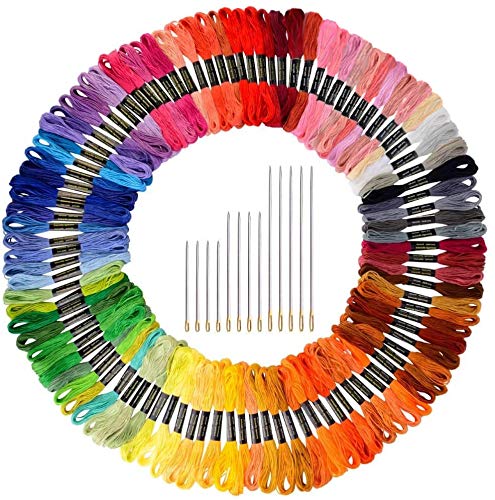

Embroidery has evolved from a simple craft into a sophisticated art form embraced by hobbyists and professionals alike. Whether you’re a beginner or an experienced embroiderer, understanding the nuances of this craft can greatly enhance your skills and outcomes. From selecting the right materials to mastering various techniques, the world of embroidery is rich with possibilities and creativity.
What is Embroidery?
Embroidery is the art of decorating fabric or other materials using a needle and thread or yarn. This craft can be used to create intricate designs, patterns, and textures on a variety of items, including clothing, home decor, and accessories. The beauty of embroidery lies in its versatility; it can be simple or complex, subtle or bold, making it suitable for any style or occasion.
History of Embroidery
The history of embroidery dates back thousands of years, with evidence suggesting that this craft was practiced in ancient civilizations such as China, Egypt, and Greece. Initially, embroidery served functional purposes, such as reinforcing seams or adding decorative elements to garments. As time progressed, it transformed into an artistic expression, reflecting cultural and social values.
In medieval Europe, embroidery became a symbol of wealth and status, with elaborate designs adorning the garments of nobility. The invention of the sewing machine in the 19th century revolutionized embroidery, making it accessible to the masses and leading to a boom in commercial production.
Types of Embroidery
Embroidery can be categorized into various types, each distinguished by its technique, materials, and intended use. Here are some popular types:
| Type | Description |
|---|---|
| Cross-Stitch | Uses a series of X-shaped stitches to create a design, often on a grid-like fabric. |
| Machine Embroidery | Utilizes a sewing machine to create designs, allowing for precision and speed. |
| Hand Embroidery | Involves stitching by hand, allowing for more creativity and individual expression. |
| Appliqué | Involves sewing a piece of fabric onto a larger piece to create a design or pattern. |
| Free-Motion Embroidery | Allows the embroiderer to move the fabric freely under the needle to create unique designs. |
Essential Tools for Embroidery
To embark on your embroidery journey, having the right tools is crucial. Here’s a list of essential items:
- Embroidery Needles: Different types of needles serve various techniques; consider comparing embroidery needles vs. sewing needles for the best results.
- Embroidery Hoops: These keep your fabric taut and make stitching easier.
- Threads: Choose high-quality threads suitable for your project, as they can affect the appearance and durability of your work.
- Fabric: The base material for your embroidery; popular choices include cotton, linen, and denim.
- Scissors: A pair of sharp, small scissors is vital for cutting threads and fabric cleanly.
- Tracing Paper: Useful for transferring designs onto fabric; explore top tracing paper picks to enhance your embroidery.
Embroidery Techniques
Various techniques can enhance your embroidery skills. Here are some fundamental techniques to master:
1. Basic Stitches
Start with basic stitches like running stitch, backstitch, and satin stitch. These form the foundation for more complex designs.
2. Color Blending
Experiment with color blending to create depth in your designs. This technique involves using different shades of the same color to achieve a gradient effect.
3. Layering
Layering involves stitching multiple designs on top of one another, adding texture and dimension to your work.
4. Embellishments
Add beads, sequins, or other embellishments to your embroidery for a unique touch. This can elevate your work from ordinary to extraordinary.
Common Mistakes in Embroidery
Even seasoned embroiderers can make mistakes. Here are some common pitfalls to avoid:
- Using the Wrong Needle: Different fabrics require specific needles. Using the wrong type can lead to damage.
- Not Securing Threads: Always secure your threads properly to prevent unraveling.
- Ignoring Fabric Tension: Ensure your fabric is taut in the hoop to avoid puckering.
- Overcomplicating Designs: Start simple; complex designs can lead to frustration and mistakes.
Caring for Embroidered Pieces
Once you’ve completed your embroidery project, proper care is essential to maintain its beauty:
- Washing: Always hand wash delicate embroidered pieces to avoid damaging the stitches.
- Ironing: Use a low heat setting and place a cloth over the embroidery to protect it while ironing.
- Storage: Store embroidered items flat or rolled, avoiding folding to prevent creases.
Frequently Asked Questions
A: Cotton fabric is recommended for beginners due to its ease of use and availability.
A: While you can use a regular sewing machine, specialized embroidery machines offer more features and ease for embroidery projects.
A: Practice regularly, explore new techniques, and consider taking a class or watching online tutorials to learn from experts.
A: Don’t panic! You can often fix mistakes by carefully removing stitches or adjusting your design as needed.
Embroidery is a rewarding and creative hobby that allows for endless possibilities. Whether you’re crafting personalized gifts, enhancing your wardrobe, or creating stunning home decor, mastering the art of embroidery opens up a world of artistic expression. Remember to take your time, practice regularly, and enjoy the process!
For those serious about their embroidery journey, investing in the right tools can make a significant difference. Consider exploring the best commercial embroidery machines for a professional touch or check out the review of the Ricoma 6 head embroidery machine for those looking to elevate their craft.
In conclusion, embroidery is more than just a craft; it’s a form of art that connects generations and cultures. With the right tools, techniques, and a little creativity, you can embark on a journey filled with beauty and personal expression. Happy stitching!