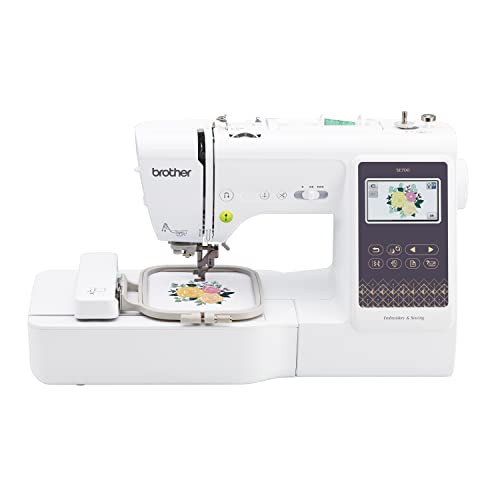

Embroidery machines have revolutionized the way we create beautiful textile designs, making it easier than ever for both hobbyists and professionals to bring their creative visions to life. With advancements in technology, these machines are now equipped with features that enhance precision, speed, and versatility, catering to a wide range of embroidery projects. Whether you are looking to embellish garments, create intricate designs for home decor, or start a small business, understanding the intricacies of embroidery machines can help you make informed decisions and maximize your crafting potential.
Types of Embroidery Machines
Embroidery machines can be categorized into several types based on their functionality, user-friendliness, and intended use. Understanding these categories will help you choose the right machine for your specific needs.
1. Home Embroidery Machines
Designed for personal use, home embroidery machines are perfect for hobbyists and small projects. They usually come with a variety of built-in designs and are user-friendly, making them ideal for beginners.
2. Commercial Embroidery Machines
For those looking to start a business, commercial embroidery machines offer larger hoops and faster stitching speeds. They are equipped with advanced features, catering to high-volume production needs.
3. Multi-Needle Machines
These machines allow users to embroider with multiple threads simultaneously, significantly reducing production time. They are suitable for professional embroiderers and businesses that require efficiency and versatility.
Essential Features to Consider
When selecting an embroidery machine, several features can enhance your experience and ensure you achieve the best results. Here are some essential features to look for:
1. Stitching Speed
The stitching speed of an embroidery machine is measured in stitches per minute (SPM). A higher SPM means faster production, which is especially important for commercial use.
2. Embroidery Area
The embroidery area, or hoop size, determines the maximum size of the designs you can create. Larger hoops allow for more intricate designs but may require more space in your workspace.
3. Built-in Designs and Fonts
Many embroidery machines come with built-in designs and fonts, which can save time and provide instant inspiration. Look for machines that offer a variety of styles to suit your projects.
4. Connectivity Options
Modern machines often feature USB ports or wireless connectivity, allowing you to easily import custom designs from your computer or the internet.
5. Automatic Features
Automatic thread cutting, tension adjustment, and needle threading can greatly enhance your efficiency and reduce the time spent on manual tasks.
Top Brands in the Market
When it comes to embroidery machines, several brands stand out for their quality, reliability, and innovative features. Here are some of the top brands to consider:
| Brand | Notable Features | Ideal For |
|---|---|---|
| Brother | User-friendly, built-in designs, and affordable | Beginners and hobbyists |
| Singer | Versatile, durable, and well-known | All skill levels |
| Bernina | High-end features, precision engineering | Advanced users and professionals |
| Janome | Innovative technology, large embroidery area | Serious hobbyists and small businesses |
Maintenance Tips for Longevity
Proper maintenance is crucial for keeping your embroidery machine in top condition and ensuring it lasts for years. Here are some essential maintenance tips:
1. Regular Cleaning
Dust and lint can accumulate in your machine, affecting performance. Regularly clean the machine and the bobbin area to keep it running smoothly.
2. Oil the Machine
Refer to your user manual for specific instructions on how to oil your machine. Regular lubrication can help keep the moving parts functioning properly.
3. Change Needles
Using a dull or damaged needle can lead to poor stitching quality. Change needles regularly, especially when switching between different fabrics or projects.
4. Update Software
If your machine has software, ensure it is updated regularly to benefit from enhancements and new features.
Common Issues and Troubleshooting
Even the best embroidery machines can encounter issues from time to time. Here are some common problems and their solutions:
1. Thread Breakage
Thread breakage can be caused by various factors, including incorrect tension, a dull needle, or poor-quality thread. Check each of these areas to identify the issue.
2. Uneven Stitching
If your stitches are uneven, it could be due to improper threading or a problem with the bobbin. Rethread the machine and check the bobbin placement to resolve the issue.
3. Machine Jamming
Machine jams can occur if fabric gets caught or if the bobbin is incorrectly installed. Always ensure proper setup and avoid forcing the fabric through the machine.
4. Poor Design Quality
If the design does not stitch out as expected, ensure you are using compatible files and that your machine’s software is up-to-date.
A: Prices can range from $200 for entry-level machines to over $10,000 for high-end commercial models. Your budget should reflect your intended use and needs.
A: Many embroidery machines come with sewing capabilities, but it’s essential to check the specifications to confirm if it meets your sewing requirements.
A: Polyester threads are popular for their strength and color fastness, while cotton threads are suitable for natural fabrics. Always check the manufacturer’s recommendations for best results.
Frequently Asked Questions
A: Consider your skill level, the types of projects you want to create, and your budget. Research different models and read reviews to find the best fit.
A: Yes, most modern embroidery machines support various file formats for custom designs, especially if they have USB connectivity or software compatibility.
A: Regular cleaning, oiling, changing needles, and software updates are essential for maintaining your machine’s performance and longevity.
In conclusion, investing in an embroidery machine opens up a world of creative possibilities, whether for personal use or as a business venture. With a wide array of options available, understanding the types, features, and maintenance requirements will empower you to make the best choice for your needs. By staying informed and applying practical tips, you can enjoy both the journey and the delightful end results of your embroidery projects. Don’t forget to check out some exciting designs like the Stunning Christmas Tree Design or the Transform Your Tree with Machine Embroidery Magic. Happy stitching!