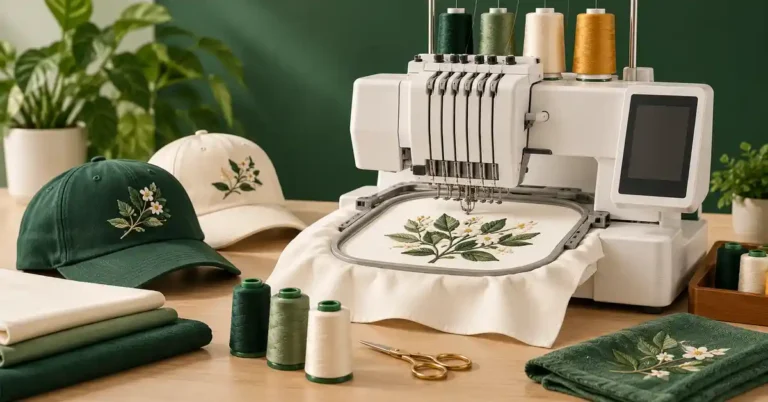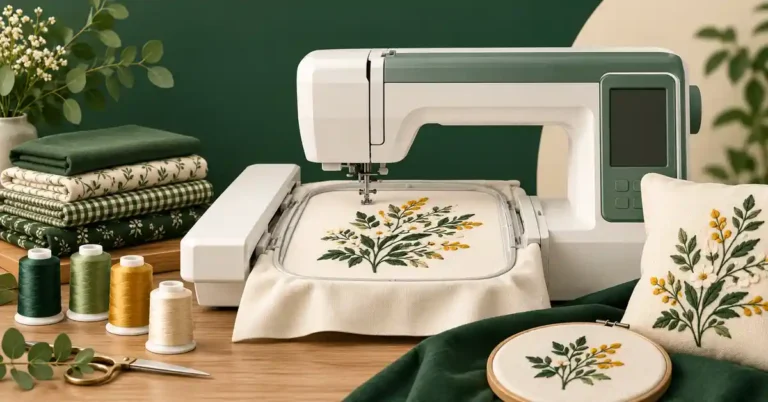
Embroidery machines have revolutionized the world of textile arts, allowing both hobbyists and professionals to create intricate designs with ease and precision. Whether you are looking to personalize items or start a small business, understanding the capabilities and features of embroidery machines can empower your creative journey. From basic models to advanced machines with numerous functions, the right embroidery machine can make a world of difference in your sewing projects.
Types of Embroidery Machines
Embroidery machines come in various types, each catering to different skill levels and project requirements. Understanding these types can help you make an informed decision based on your needs.
1. Home Embroidery Machines
Home embroidery machines are designed for personal use, making them perfect for hobbyists and casual sewists. These machines typically offer a variety of built-in designs and allow users to add custom patterns. They are user-friendly and often include features like automatic threading and LCD screens for easy navigation.
2. Commercial Embroidery Machines
For those looking to start a business, commercial embroidery machines are built for performance and efficiency. These machines can handle larger projects and often come with multiple needles, allowing for faster production times. They usually require more knowledge and skill to operate effectively.
3. Combination Machines
Combination machines offer both sewing and embroidery capabilities, making them versatile tools for those who want to explore various aspects of sewing. These machines allow you to switch between sewing and embroidery functions easily, making them ideal for projects that require both techniques.
Features to Consider
When choosing an embroidery machine, there are several key features to consider that can enhance your sewing experience.
| Feature | Description |
|---|---|
| Stitch Types | Look for machines with a variety of stitch types, including decorative stitches and monogramming options. |
| Embroidery Area | Consider the size of the embroidery area; larger areas allow for bigger designs. |
| Built-in Designs | Many machines come with built-in embroidery designs. More options provide greater creative flexibility. |
| USB Connectivity | USB ports allow you to import custom designs from your computer or external devices. |
| Automatic Features | Automatic needle threading, thread cutting, and tension adjustment can simplify the sewing process. |
1. Stitch Types
Having a variety of stitch types can elevate your projects. Look for machines that offer decorative stitches and monogramming capabilities to allow for personal touches on your creations.
2. Embroidery Area
The size of the embroidery area is crucial, especially for larger designs. A bigger embroidery area enables you to work on more ambitious projects without needing to reposition the fabric constantly.
3. Built-in Designs
Many embroidery machines come equipped with built-in designs, which can save you time and effort. The more designs available, the more creative options you’ll have at your fingertips.
4. USB Connectivity
USB ports are essential for importing custom designs, allowing you to expand your creative options beyond the built-in designs.
5. Automatic Features
Automatic features, such as needle threading and thread cutting, can make the embroidery process much smoother, especially for beginners.
How to Choose the Right Machine
Choosing the right embroidery machine can seem overwhelming, but following a few key steps can simplify the process.
1. Assess Your Needs
Consider what you will primarily use the machine for. Are you looking to create personalized gifts, start a small business, or simply enjoy embroidery as a hobby? Your intended use will greatly influence your choice.
2. Set a Budget
Embroidery machines range significantly in price. Setting a budget will help narrow down your options and prevent overspending. Keep in mind that higher-priced machines often come with more features and capabilities.
3. Read Reviews
Researching reviews from other users can provide valuable insights into the performance and reliability of different models. For instance, check out the Futong embroidery machine review for a detailed look at one popular option.
4. Try Before You Buy
If possible, visit a local sewing store to try out different machines. This hands-on approach can give you a better feel for the machine’s interface and features.
Popular Brands
Several brands dominate the embroidery machine market, each offering unique features and benefits. Here are some of the most reputable brands:
- Brother: Known for their user-friendly machines, Brother offers a wide range of options for both beginners and advanced users.
- Singer: A long-standing name in the sewing world, Singer provides reliable machines with various features at competitive prices.
- Janome: Janome machines are known for their durability and advanced features, catering to serious hobbyists and professionals.
- Bernina: A premium brand, Bernina is renowned for its high-quality machines and exceptional sewing capabilities.
Embroidery Machine Care
Proper care and maintenance of your embroidery machine can prolong its lifespan and ensure optimal performance. Here are some essential tips:
1. Regular Cleaning
Dust and lint can accumulate within your machine, leading to operational issues. Regularly clean the machine’s exterior and interior, following the manufacturer’s instructions.
2. Oil the Machine
Lubricating the moving parts of your embroidery machine can help reduce friction and wear. Consult your machine’s manual for the recommended oil types and application frequency.
3. Use the Right Needles
Using the correct needle type for your fabric and project can prevent damage to both the fabric and the machine. Always replace dull needles as they can lead to poor stitching quality.
Frequently Asked Questions
A: An embroidery machine specializes in creating decorative designs on fabric, while a sewing machine is primarily designed for stitching fabric pieces together.
A: Many combination machines allow for regular sewing, but dedicated embroidery machines may lack certain sewing features.
A: Prices can range from a few hundred to several thousand dollars, depending on features and capabilities. It’s best to set a budget and find a machine that meets your needs within that range.
A: Most embroidery machines can handle a variety of fabrics, including cotton, denim, and silk. However, always check your machine’s specifications for fabric compatibility.
Conclusion
Investing in an embroidery machine can significantly enhance your sewing experience, whether you’re a beginner or an experienced sewist. By understanding the different types, features, and brands available, you can make an informed decision that aligns with your creative goals. Additionally, proper care and maintenance will ensure that your machine serves you well for years to come. Embrace the world of embroidery and let your creativity flourish!
For more tips and resources, check out our articles on how to use an embroidery machine and explore embroidery machine design software to take your projects to the next level!
Once you try this, you’ll love embroidery even more! Discover why by exploring our recommendations on the best embroidery machines available today. Also, don’t forget to check out our stylish embroidered tees that are perfect for any wardrobe!