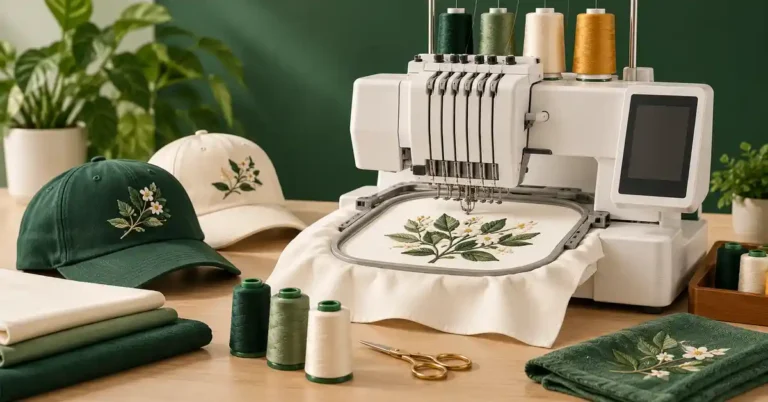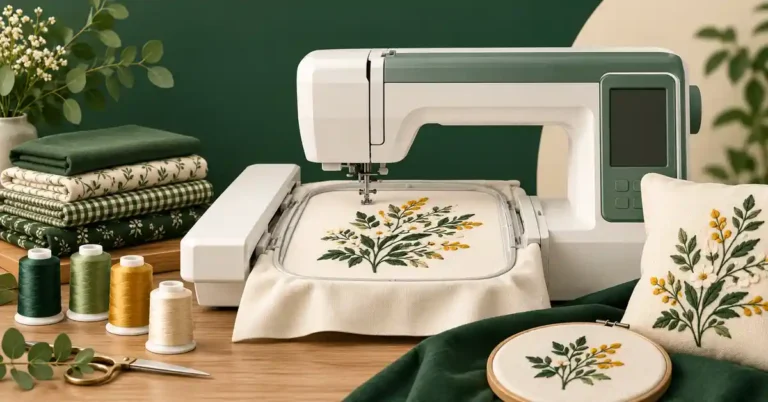

Embroidery has evolved from a purely manual craft into a sophisticated art form that can be easily achieved using modern technology. Among the innovations that have transformed the embroidery landscape is the embroidery machine pantograph. This tool allows users to create intricate designs with precision and ease, making it perfect for both beginners and seasoned embroidery enthusiasts. In this article, we will explore the concept of pantographs in embroidery machines, their benefits, and how to choose the right one for your sewing projects.
What is a Pantograph?
A pantograph is a mechanical device that enables the transfer of a design from one surface to another, maintaining the scale and proportions of the original design. In the embroidery context, it is typically used with embroidery machines to replicate intricate patterns and designs with ease. The pantograph system consists of a series of arms and pivots that move the embroidery machine’s needle in a predetermined path, allowing for precise stitching without manual intervention.
Benefits of Using an Embroidery Machine Pantograph
Utilizing a pantograph with your embroidery machine can vastly enhance your sewing experience. Here are some notable benefits:
Increased Precision
One of the most significant advantages of using a pantograph is the increased precision it offers. The mechanical arms ensure that every stitch is placed accurately, resulting in clean and professional-looking designs.
Time Efficiency
Pantographs can drastically reduce the time spent on creating designs. What once took hours of manual stitching can now be completed in a fraction of the time, allowing you to focus on other aspects of your projects.
Versatility in Design
With a pantograph, you’re not limited to simple designs. You can tackle complex patterns, making it an excellent tool for those looking to expand their embroidery repertoire. This versatility is especially useful for custom projects, such as gifts or personalized items.
Reduced Physical Strain
Manual embroidery can be physically taxing, particularly when working with larger designs or complex patterns. Using a pantograph minimizes the need for repetitive hand movements, reducing strain on your hands and wrists.
How to Choose the Right Pantograph for Your Embroidery Machine
Selecting the right pantograph for your embroidery machine is crucial to getting the best results. Here are some factors to consider when making your choice:
Compatibility with Your Machine
Ensure that the pantograph you choose is compatible with your specific embroidery machine. Some pantographs are designed for particular brands or models, so check the specifications before purchasing.
Size and Design
Pantographs come in various sizes and designs. Depending on the types of projects you plan to undertake, you may need a larger pantograph for bigger designs or a more compact one for smaller projects. Consider your workspace and storage capabilities as well.
Material Quality
The quality of materials used in the pantograph’s construction can affect its performance and durability. Look for pantographs made from sturdy materials that can withstand regular use without warping or breaking.
Ease of Use
Some pantographs offer more user-friendly features than others. Look for models that provide clear instructions and are easy to set up. If you are a beginner, consider opting for a pantograph that requires minimal adjustments and has intuitive controls.
Maintenance Tips for Your Pantograph
Proper maintenance of your pantograph is essential for ensuring its longevity and performance. Here are some tips to keep your pantograph in top condition:
Regular Cleaning
Dust and fabric debris can accumulate on your pantograph over time, affecting its performance. Regularly clean the pantograph with a soft cloth to keep it free from dust and lint.
Check for Wear and Tear
Inspect your pantograph for any signs of wear and tear, such as bent arms or loose pivots. Address any issues promptly to prevent more significant problems down the line.
Store Properly
When not in use, store your pantograph in a safe place where it won’t be subjected to damage. Consider using a protective case or mounting it securely to the wall to avoid accidental falls or bends.
Frequently Asked Questions
A: Not all pantographs are compatible with every embroidery machine. Always check compatibility before purchasing.
A: Follow the manufacturer’s instructions for setup. Generally, it involves attaching the pantograph to the machine and calibrating it for your specific design.
A: You can create a wide range of designs, from simple patterns to complex images, depending on the capabilities of your embroidery machine and the pantograph.
A: Practice regularly with different designs and techniques. Experiment with various materials and settings to discover what works best for you.
In conclusion, an embroidery machine pantograph is a valuable tool for anyone looking to enhance their embroidery projects. With its ability to increase precision, save time, and allow for intricate designs, it can transform your sewing experience. By carefully selecting the right pantograph and maintaining it properly, you can enjoy countless hours of creative sewing. For those interested in expanding their embroidery skills, consider exploring unique embroidery designs for men’s shirts or clever patches to cover up your embroidery mishaps. To further elevate your projects, don’t forget to check out the Babylock embroidery machine for a user-friendly experience and learn how to convert PNG to PES with top-rated embroidery software. Happy stitching!