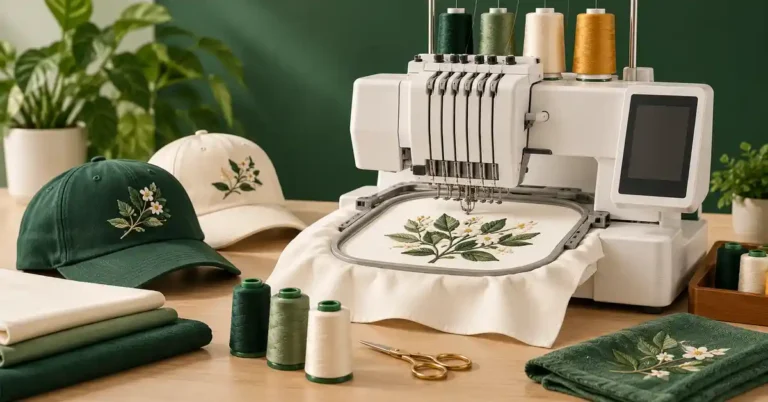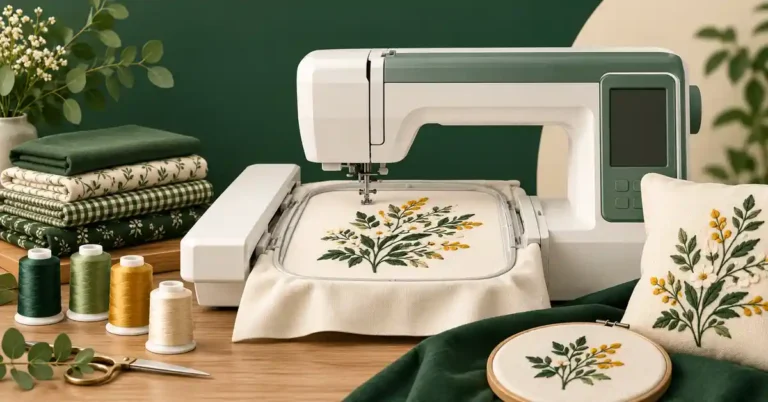

Embroidery machines have transformed the way we embellish fabrics, offering a wide variety of stitches that can create intricate patterns and designs. Understanding embroidery machine stitches is essential for anyone looking to dive into the world of sewing and embroidery, whether you’re a beginner or a seasoned artisan. This guide will provide you with a comprehensive overview of the different types of stitches, how they work, and tips on how to choose the right stitch for your projects.
Types of Embroidery Machine Stitches
Embroidery machine stitches come in a variety of forms, each designed for specific applications. Here are some of the major types:
1. Satin Stitches
Satin stitches are characterized by their smooth, shiny finish and are often used for lettering and shapes that require a polished look. They are typically narrow and densely packed.
2. Fill Stitches
Fill stitches cover larger areas and are used to create solid designs. They can be densely packed or more loosely stitched, depending on the desired effect.
3. Running Stitches
Running stitches are the simplest form of stitching and are often used for outlines or delicate designs. They can create a subtle, linear effect and are commonly used in combination with other stitch types.
4. Zigzag Stitches
Zigzag stitches are versatile and can be used for both decorative and functional purposes. They are great for finishing edges and adding texture to designs.
5. Specialty Stitches
Many embroidery machines offer specialty stitches, such as cording, applique, and even 3D puff. These stitches can add unique elements to your embroidery projects.
Common Stitches Used in Embroidery
Familiarizing yourself with common embroidery machine stitches will help you select the right options for your projects. Here are a few popular stitches:
| Stitch Type | Description | Best For |
|---|---|---|
| Satin Stitch | A dense, smooth stitch | Lettering and shapes |
| Fill Stitch | Covers large areas | Solid designs |
| Running Stitch | A simple, linear stitch | Outlines and delicate designs |
| Zigzag Stitch | A versatile stitch with a zigzag pattern | Finishing edges and decorative effects |
| Applique Stitch | Used for sewing fabric shapes onto a base | Layered designs |
Choosing the Right Stitch for Your Project
Selecting the appropriate stitch for your embroidery project is crucial for achieving the desired outcome. Here are several factors to consider when making your choice:
1. Fabric Type
The type of fabric you are working with will greatly influence your stitch selection. For example, delicate fabrics may require lighter stitches like running stitches, while thicker materials may need more robust stitches like fill or satin stitches.
2. Design Complexity
More intricate designs may necessitate the use of specialty stitches to capture fine details. Evaluate your design and choose stitches that will enhance its complexity without overwhelming the fabric.
3. Purpose of the Project
Consider the end use of your embroidery. For items that will undergo heavy wear, such as clothing, you may want to opt for stronger, more durable stitches like zigzag or satin stitches. For decorative items, you might choose lighter, more delicate options.
Maintaining Your Embroidery Machine
Proper maintenance of your embroidery machine is vital for ensuring it operates smoothly and produces high-quality stitches. Here are some essential maintenance tips:
1. Regular Cleaning
Dust and lint can accumulate in your embroidery machine over time, affecting its performance. Regularly clean the bobbin area, needle plate, and feed dogs to keep your machine running smoothly.
2. Oil the Machine
Consult your machine’s manual for specific oiling instructions. Keeping the moving parts lubricated will help prevent friction and prolong the life of your machine.
3. Update Software
If your embroidery machine has software, ensure it is updated regularly to benefit from new features and improvements. This can enhance your stitching options and overall experience.
FAQ
A: A sewing machine is primarily designed for stitching fabric together, while an embroidery machine is specifically built to create decorative designs and patterns using various stitches.
A: While you can use regular sewing thread, it is recommended to use thread designed specifically for embroidery to achieve the best results and prevent thread breakage.
A: Start with simple projects, use practice fabrics, and experiment with different stitches. You can also follow tutorials online to improve your techniques.
In conclusion, understanding embroidery machine stitches is fundamental for anyone looking to enhance their sewing and embroidery skills. By familiarizing yourself with the different types of stitches, knowing how to choose the right ones, and maintaining your machine effectively, you can create stunning and professional-looking embroidery designs. For those interested in maximizing their embroidery machine’s potential, consider exploring various patterns and even ways to monetize your skills, as discussed in our article on how to make money with an embroidery machine or learning more about the embroidery machine pattern. If you’re looking for specific models, the Brother Skitch Single Needle Embroidery Machine or a programmable embroidery machine might be perfect for your needs. And for those ready to take their skills to the next level, check out our review on the 10-Needle Wonder: Elevate Your Embroidery Game! Happy stitching!