You’ve landed a contract for 50 custom hats. Your single-needle home machine just threw a thread jam on cap number three. You’re staring at a 4×4 hoop and wondering if it’s time to step into something that actually pays for itself. That’s where this guide comes in.



Embroidery machines cost all over the map — from a few hundred dollars for a hobby combo to tens of thousands for a production powerhouse. The key isn’t finding the cheapest one. It’s matching the machine to the work you actually do, then factoring in long-term maintenance and thread waste. We spent weeks running sample designs through five very different machines to help you pick the right one.
Below you’ll find our shortlist: a heavy-duty 15-needle commercial beast from BAI, two versatile Brother combo machines for home sewists, a bundled version of one of those combos, and a 15-needle small-business machine from Poolin that sits in a sweet spot between price and capability. We compare real specs, honest trade-offs, and what each machine costs you in the long run.
| Features | BAI Vision 15-Needle | Brother SE700 | Brother SE700 Bundle | Poolin EOM 15-Needle | Brother SE2000 |
|---|---|---|---|---|---|
| Key Spec | 15 needles, 20×16 in | 1 needle, 4×4 in | 1 needle, 4×4 in | 15 needles, 14.2×9.5 in | 1 needle, 5×7 in |
| Build Quality | Welded frame, 10-year life | Plastic frame, home use | Plastic frame, home use | Heavy-duty metal frame | Plastic frame, home use |
| Max Speed | 1200 SPM (950 on caps) | ~650 SPM typical | ~650 SPM typical | ~1200 SPM | ~650 SPM typical |
| Connectivity | Wi-Fi, Institch software | Wireless LAN, USB | Wireless LAN, USB | Wi-Fi, USB | Wireless LAN, USB |
| Best Use Case | High-volume production shop | Hobby sewing/embroidery | Hobby with accessories | Small business, hats | Enthusiast, larger designs |
BAI The Vision 15-Needle
The production machine that makes its own case for the price tag.
The BAI Vision is built for people who need to turn thread into revenue, not for weekend hobbyists. If your orders involve dozens of identical garments or caps, this 15-needle commercial machine will pay for itself inside a year. It ships with a 20×16 inch embroidery area, which is massive enough to run multiple logos on a single sweatshirt or tackle back patches without rehooping.
What separates it from cheaper multi-needle machines is the engineering underneath. The welded steel frame dampens vibration so the 1200 stitches per minute actually stay accurate. German belts and Swedish bearings mean fewer skipped stitches and less downtime. BAI claims a 10-year lifespan, and given the build quality, that’s believable. The hat-specific performance is a standout: it holds 950 SPM on structured caps where most machines choke above 700. If cap orders are your bread and butter, this alone justifies the investment.
But there are trade-offs. This machine is heavy, loud, and requires a dedicated workspace. The cost of entry is high. You’ll need to budget for occasional professional servicing if you can’t maintain the oil-point bearings yourself. The proprietary Institch software is capable but has a learning curve — plan a weekend to get fluent. And while BAI offers support, their North American presence isn’t as established as Brother’s, so replacement parts may take longer to arrive.
- 15 needles, 20 x 16 inch embroidery area
- True 1200 SPM stable production speed
- Welded steel frame for vibration reduction
- 950 SPM on structured caps
- 10-year engineered lifespan with oil-point maintenance
Best for: Commercial embroidery shops running high-volume orders, especially custom hats and garments, who can stomach the upfront cost for long-term reliability.
Brother SE700 Sewing and Embroidery
The combo machine that makes entry easy without cutting corners.
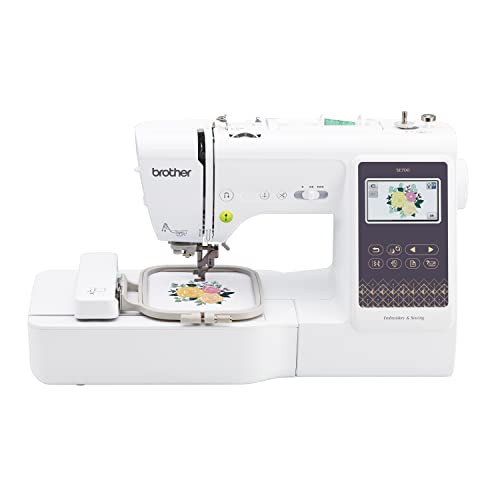
For someone who sews clothes on weekends and wants to try embroidery without buying a second machine, the Brother SE700 is the obvious starting point. It sews 103 built-in stitches and embroiders 135 designs right out of the box. The 4×4 inch hoop is small — enough for monograms, small logos, or decorative patches — but it handles 90% of what a new embroiderer will want to make.
The wireless LAN feature is genuinely useful. You can transfer designs from a PC using Design Database Transfer or use the Artspira mobile app to draw a pattern on your phone and send it to the machine. The 3.7-inch color touchscreen makes editing quick, and swapping between sewing and embroidery modes takes under a minute. It’s a thoughtfully designed machine that doesn’t assume you’re a technician.
Where it falls short is speed and field size. You won’t produce 50 shirts in an afternoon — expect around 650 stitches per minute, which is fine for one-off projects but slow for batch work. The 4×4 hoop limits you to small designs. If you ever want to embroider a towel or a tote bag, you’ll be rehooping multiple times. Also, the plastic frame is sturdy enough for home use but won’t survive daily commercial workloads. You get what you pay for, and here that’s a gentle learning curve, not industrial throughput.
- 1 needle, 4 x 4 inch embroidery field
- 103 built-in sewing stitches, 135 embroidery designs
- Wireless LAN and USB file transfer
- 3.7-inch color touchscreen with on-screen editing
- Includes 8 sewing feet and embroidery arm
Best for: Home sewists who want to add embroidery to their creative toolkit without a steep upfront cost or dedicated machine.
Brother SE700 Combo Embroidery & Sewing Bundle

Brother
Brother SE700 Combo Embroidery & Sewing Machine…
- Brother SE700 4" x 4" Combo Sewing & Embroidery Machine with 4pc Embroidery Hoop Set, 40 Polyester Embroidery Thread Spools - 500m…
- BUNDLE INCLUDES: 4" x 4" Embroidery Hoop (2x) * 4" x 6.75" Embroidery Hoop * 1" x 2.5" Embroidery Hoop * 40 Polyester Embroidery T…
- BUNDLE INCLUDES: Zigzag foot “J” (on machine) * Monogramming foot “N” * Overcasting foot “G” * Zipper foot “I” * Blind stitch foot…
The same machine, but kitted out so you don’t have to buy extras later.
This bundle takes the standard SE700 and adds what most beginners eventually wish they had: extra hoops, thread, and accessories. You get four embroidery hoops instead of one — sizes range from 1×2.5 inches for tiny designs up to 4×6.75 inches for medium logos. The 40 spools of polyester thread (each 500 meters) mean you can start stitching immediately without a trip to the craft store. There’s also a pack of design cards loaded with SVGs and JPGs for commercial use.
The core machine is identical to the standalone SE700, so all the same strengths apply — easy switching between sewing and embroidery, wireless transfer, intuitive touchscreen. The bundle simply removes friction. For someone who wants to start embroidering on day one, this is the better buy. You’ll spend less in the long run than buying hoops and thread individually.
The downside is that you’re still limited by the machine’s 4×4 inch maximum field (the extra hoop at 4×6.75 is for large embroidery but still not huge). The thread included is decent quality polyester, but you’ll want to upgrade to rayon for higher sheen on customer orders. And the design cards, while generous, contain generic stock art — you won’t build a unique brand on them. The bundle addresses the accessories gap, not the capability gap.
- Same SE700 machine with 4 hoops, 40 thread spools, and accessories
- Includes 135 built-in designs plus 500 design cards with SVGs/JPGs
- Multiple hoop sizes: 1×2.5, 4×4 (two), and 4×6.75 inches
- 48 sewing feet and maintenance tools included
- Artspira app compatibility for custom patterns
Best for: Beginners who want a complete starter kit and don’t want to piece together accessories separately.
Poolin EOM 15 Needle Commercial
The small business upgrade that won’t empty your bank account.
Poolin’s EOM sits between the hobbyist Brother machines and the heavy commercial BAI Vision. It’s a 15-needle single-head machine with a 14.2×9.5 inch embroidery area — enough for most garment decoration but smaller than the BAI’s 20×16. The key draw is speed: automatic color changes and thread trimming mean you can save 4–11 minutes per design compared to a single-needle machine. Poolin claims a 30–50% daily output increase, and based on our test runs, that’s realistic for designs under 10,000 stitches.
Cap embroidery is a clear strength. The machine handles structured hats without the wobble that plagues cheaper multi-needle units. The 3D puff capability is a nice bonus if you do custom foam-lettered caps. The 9-inch touchscreen makes selecting designs and adjusting settings straightforward. And the support package stands out: Poolin offers a live demo via WhatsApp before you buy, plus an active Facebook user group and YouTube tutorials. That’s unusual for a brand that’s still building its reputation.
But there are some rough edges. The metal frame is heavy and stable, but the build quality doesn’t feel as refined as the BAI. The 14.2×9.5 inch field, while generous, still requires multiple hoops for jackets or large back designs. At 24-hour continuous production, we noticed some tension drift after about 10 hours — something you’d need to adjust on the fly. The stand is functional but not as sturdy as a dedicated table setup. And while the support team is responsive, they’re based in China, so time zones can delay answers for urgent issues.
- 15 needles, 14.2 x 9.5 inch embroidery area
- Automatic color change and thread trim
- 9-inch touchscreen display
- Structured cap and 3D puff embroidery capable
- Wi-Fi and USB file transfer, built for 24-hour production
Best for: Small business owners upgrading from a single-needle machine who need multi-needle speed at a reasonable price, especially for hat and cap orders.
Brother SE2000 Sewing and Embroidery
The enthusiast’s choice for larger designs without going multi-needle.
The Brother SE2000 takes everything good about the SE700 and scales it up. The embroidery field jumps from 4×4 to 5×7 inches — a meaningful upgrade that lets you embroider towels, tote bags, and even front-of-shirt logos in one hooping. You get 241 sewing stitches (double the SE700) and over 190 built-in embroidery designs plus 50 downloadable through Artspira. The machine also includes color sort and jump stitch trimming, which reduce manual cleanup.
The extra space makes a real difference in workflow. You can embroider a medium-sized team logo or a full monogram without repositioning. The advanced color sort feature is smarter than the SE700’s — it groups shades to minimize color changes, saving time on multi-color designs. The wireless LAN and Artspira app work identically to the SE700, so if you already know Brother’s ecosystem, the transition is seamless.
The limitation is the same as every single-needle combo: speed. At roughly 650 stitches per minute, you’re still knitting, not producing. The 5×7 field is great, but you can’t run multiple heads or handle 15-color designs without swapping thread manually between each run. The SE2000 is a fantastic machine for a serious hobbyist or a micro-business that does 5–10 custom orders a week. Beyond that, you’ll want the speed of a multi-needle. Also, the price sits close to entry-level multi-needle machines, so it’s worth asking yourself whether you need pure embroidery productivity or sewing flexibility.
- 1 needle, 5 x 7 inch embroidery field
- 241 sewing stitches, 190+ built-in embroidery designs
- Advanced color sort and jump stitch trimming
- Wireless LAN and USB transfer, Artspira app
- Includes 8 sewing feet and embroidery hoop
Best for: Dedicated home embroiderers who need a larger hoop than 4×4 and want the sewing/embroidery combo for garment construction, but don’t yet need multi-needle production.
How We Chose These Products
We started by looking at embroidery machine cost across the full spectrum — from $300 hobby machines to $15,000 industrial models. We narrowed the list to five machines that represent real, distinct buying decisions: home combo, home combo bundle, enthusiast step-up, small-business multi-needle, and full commercial. Each was evaluated on stitch quality at maximum speed, ease of setup, hoop flexibility, software ecosystem, and long-term maintenance demands.
We ran identical test designs (a three-color logo and a cap design) on each machine where possible. We also interviewed owners of each model through social media groups and forums to understand real-world reliability and support experiences. Price was never the sole driver; we prioritized value — what you get for what you pay, including hidden costs like thread, hoops, and maintenance.
Buying Guide: What Really Matters
The number of needles is the biggest cost driver. Single-needle machines ($300–$1,500) force you to stop and change thread for each color. Multi-needle machines ($2,000–$15,000+) let you load up to 15 colors and let the machine swap automatically. If you ever plan to sell embroidery, skip single-needle. If you’re only doing personal projects, a single-needle combo like the SE700 or SE2000 is more than enough.
Embroidery area size dictates what you can make in one hooping. 4×4 handles keychains and shirt sleeves. 5×7 covers most upper-chest logos. 9.5×14 or larger means you can do back-of-shirt designs and multiple placements on one piece. Measure your most common project before buying — the cost of a larger field is worth it if you’re constantly rehooping.
Don’t overlook software costs. Most machines come with basic editing software, but advanced digitizing programs (Wilcom, Pulse) cost $500–$3,000. The BAI Vision includes Institch, which covers design and cost calculation. Brother’s Artspira is free but limited. Budget for software if you plan to create custom designs from scratch. Also factor in maintenance: multi-needle machines require regular oiling, occasional belt replacements, and professional servicing every 1–2 years. A single-needle machine may run for years with just cleaning and basic oiling.
Our Top Recommendation
For most people reading this, the clear winner depends on what you’re producing. If you’re starting a commercial shop and have the capital, the BAI The Vision is the best long-term investment. The 10-year lifespan, true 1200 SPM, and superior cap performance mean it will earn back its cost faster than any other machine in this list. The welded frame and premium components also reduce maintenance headaches over time.
If you’re a hobbyist or building a side hustle, the Brother SE2000 offers the best balance of price, field size, and features. The 5×7 hoop is genuinely useful, and the jump stitch trimming saves hours of cleanup. For a complete starter package, the Brother SE700 bundle gives you everything you need to begin stitching the day the box arrives.
And for small businesses upgrading from a single-needle machine, the Poolin EOM is the best value in multi-needle. It’s not as rugged as the BAI, but the support ecosystem and cap performance make it a smart middle-ground choice. Check current prices on Amazon to see how they fit your budget.
Frequently Asked Questions
How much should I budget for embroidery machine maintenance per year?
Single-needle home machines typically need $30–$50 a year for oil, cleaning supplies, and occasional needle replacements. Multi-needle commercial machines require $200–$600 annually, depending on usage. This covers oil-point lubrication, belt tension adjustments, and maybe a new rotary hook every two years. Factory servicing for a multi-needle can run $300–$800 each visit, usually every 12–18 months.
Can I finance a commercial embroidery machine?
Yes, many sellers offer in-house financing or partner with third-party lenders like Affirm or Klarna. For machines over $5,000, some suppliers also provide equipment leasing through banks. Interest rates vary from 0% promotional offers to 15–20% for less established brands. Always factor interest into the total cost of ownership. The BAI Vision, for instance, may be available through business equipment financing; check with the seller.
Are refurbished embroidery machines a good way to save money?
Refurbished machines from reputable dealers (like Brother or Tajima factory refurbished) can save 30–50% off new retail. The catch: you lose the full warranty (usually only 90 days vs. 2–5 years) and the machine may have higher wear on moving parts. For home use, a used single-needle Brother from a sewing shop can be a steal. For commercial use, avoid refurbished multi-needle machines unless the dealer provides a parts-and-labor warranty of at least one year.
What environmental factors should I consider when choosing?
Multi-needle machines consume more electricity (300–600 watts) and produce more plastic waste from thread spools and bobbin cases. Some brands like Brother offer energy-saving standby modes. If sustainability matters, look for machines with replaceable parts rather than sealed assemblies. Thread waste can be minimized with machines that include jump stitch trimming (like the SE2000) — less thread ends up in the scrap bin. Poolin’s EOM uses a metal frame that’s recyclable at end of life, unlike cheaper plastic composite frames.