Embroidery has long been a favorite craft for those looking to personalize fabrics, create unique designs, or even start a small business. One of the most popular applications of embroidery is patch-making, which allows for creative expression and customization. If you’re considering diving into the world of embroidery machines for patches, understanding the options available, their features, and how they work can significantly influence your crafting experience. This article will guide you through the essentials of selecting and using embroidery machines tailored for patch-making.
Understanding Embroidery Machines
Embroidery machines are specialized sewing machines that automate the process of stitching intricate designs onto fabric. These machines can be used for a variety of projects, including clothing, home décor, and patches. With the right machine, you can create high-quality patches with detailed designs that can be applied to jackets, bags, hats, and more.
Types of Embroidery Machines
When considering embroidery machines for patches, it’s essential to understand the types available. Each type has unique features suited for different levels of experience and project needs.
1. Single-Needle Embroidery Machines
Single-needle machines are typically more affordable and are great for beginners. They allow you to create simple patches and designs but may require manual thread changes for different colors.
2. Multi-Needle Embroidery Machines
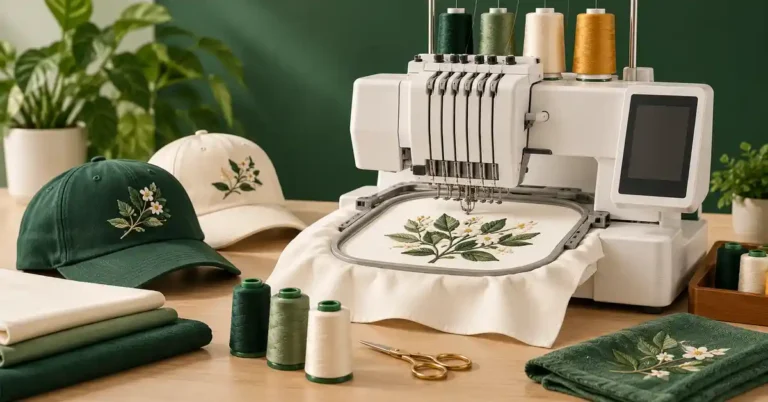
These machines come with multiple needles, allowing for quicker color changes and more complex designs without stopping to change threads. They are ideal for more advanced users looking to produce professional-quality patches.
3. Combination Machines
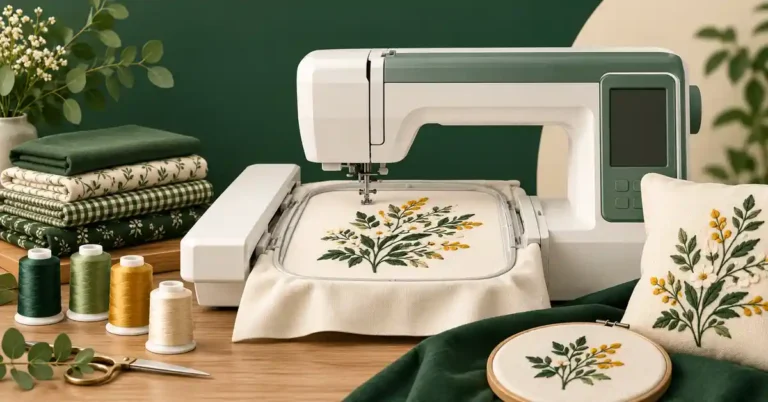
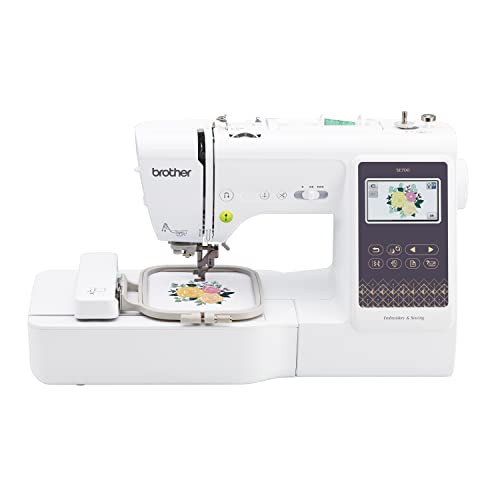
Combination machines offer both sewing and embroidery functions. They are versatile and suitable for users who want a machine that can perform various tasks beyond just embroidery.
Features to Consider
When selecting an embroidery machine for patches, consider the following features to ensure you make the right choice:
| Feature | Description |
|---|---|
| Hoop Size | A larger hoop size allows for bigger designs, while a smaller hoop is perfect for intricate patches. |
| Built-in Designs | Look for machines that come with a variety of built-in designs, which can save you time and effort. |
| Editing Features | Some machines allow you to resize, rotate, or combine designs, offering more creative freedom. |
| Speed | Higher stitching speeds lead to quicker project completion, which is beneficial for larger production runs. |
| User Interface | A user-friendly interface, like a touchscreen, can make navigating settings and designs much easier. |
Top Embroidery Machines for Patches
Here are some of the best embroidery machines for patches that cater to various skill levels and budgets:
1. Brother SE1900
The Brother SE1900 is a versatile combination machine that features a 5″x7″ embroidery field and 138 built-in designs. It is user-friendly, making it an excellent choice for beginners and experienced users alike.
2. Janome MB-7
This multi-needle machine is perfect for small businesses or those who frequently make patches. With seven needles and a large embroidery area, it allows for quick and efficient stitching.
3. Bernina 790 Plus
A high-end option for serious crafters, the Bernina 790 Plus offers exceptional stitch quality, a large touchscreen interface, and a wide variety of embroidery designs.
4. Singer Futura XL-580
This combination machine is budget-friendly and offers a 10″x6″ embroidery area, making it ideal for larger patches. It also includes a software program for custom designs.
How to Use an Embroidery Machine
Using an embroidery machine can seem daunting at first, but with a little practice, you’ll be creating beautiful patches in no time. Here’s a basic guide:
- Set Up Your Machine: Follow the manufacturer’s instructions to set up your embroidery machine, including threading the machine and winding the bobbin.
- Choose Your Design: Load your desired design onto the machine either via USB or pre-installed designs.
- Prepare the Fabric: Use stabilizers to ensure the fabric remains taut during stitching, which is crucial for achieving high-quality patches.
- Hoop the Fabric: Secure the fabric in the embroidery hoop, making sure it is tight and positioned correctly.
- Start Stitching: Select your design on the machine and press start. Monitor the stitching process to ensure everything runs smoothly.
- Finish Your Patch: Once the stitching is complete, remove the hoop, cut away excess fabric, and finish the edges as desired.
For more detailed instructions, check out our how to use an embroidery machine guide.
Care and Maintenance
To keep your embroidery machine in top working condition, regular maintenance is essential. Here are some tips:
1. Regular Cleaning
Dust and lint can accumulate in the machine, affecting performance. Use a soft brush to clean the needle area and bobbin case regularly.
2. Oil the Machine
Follow the manufacturer’s guidelines on how often to oil your machine. Proper lubrication helps maintain smooth operation.
3. Update Software
For machines with digital interfaces, regularly check if there are software updates available, as these can enhance functionality and fix bugs.
4. Store Properly
When not in use, cover your machine to protect it from dust, and ensure it is stored in a stable environment to avoid damage.
FAQ
A: While any embroidery machine can technically create patches, those specifically designed for embroidery, especially multi-needle machines, will provide better results and efficiency.
A: You will need embroidery thread, fabric, stabilizers, and possibly backing material to give the patch durability and structure.
A: Patches can be sewn on, ironed on, or attached using adhesive backing, depending on the desired permanence and method of application.
A: If you plan to create patches frequently or run a small business, a multi-needle machine can save time and improve the quality of your work.
Conclusion
Embroidery machines for patches offer a fantastic opportunity for creativity and personalization. By understanding the types of machines available, considering essential features, and following proper usage and maintenance practices, you can create stunning patches that enhance your wardrobe or business offerings. Whether you’re a beginner or a seasoned professional, investing in the right machine will surely pay off in the long run. Happy stitching!