
You have a project in mind, maybe a personalized gift or a jacket you want to make your own. You stand in the craft store aisle looking at embroidery hoops and thread, then glance at the machines behind the glass. Hand stitching feels authentic but slow. A machine promises speed but comes with a learning curve and a price tag. Which path should you take?
Both methods produce beautiful results, but they serve different needs. Hand embroidery shines in texture, portability, and the satisfaction of slow craft. Machine embroidery wins on repeatability, speed, and precision. The right choice depends on your timeline, budget, skill level, and what you want to create. This guide compares the two approaches and reviews five machine embroidery options that cover everything from hobbyist starter kits to commercial workhorses.
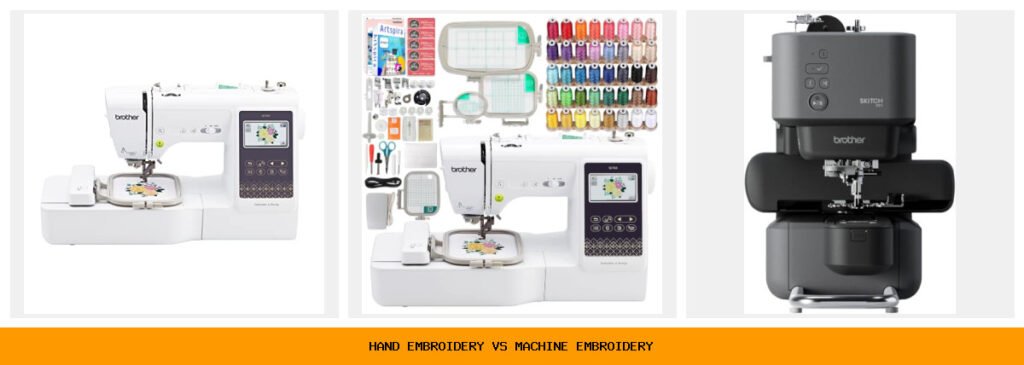
Below you will find detailed reviews of five machines that represent the best of what machine embroidery offers today: the versatile Brother SE700, an upgraded bundle of the same model, the ultra-portable Brother Skitch, the commercial-grade Smartstitch S-1001, and the dedicated Brother PE545. Along the way, we will also explore where hand embroidery still holds the upper hand, the environmental footprint of each method, and what the future holds for this craft.
Here is a quick comparison of the key specs for these five machines:
| Features | Brother SE700 | Brother SE700 Bundle | Brother Skitch | Smartstitch S-1001 | Brother PE545 |
|---|---|---|---|---|---|
| Type | Combo sew & embroider | Combo with accessories | Single-needle embroidery | 10-needle commercial | Embroidery only |
| Built-in Designs | 135 + 103 stitches | 135 + extras | Via Artspira app | User-loaded DST files | 135 designs |
| Hoop Area | 4″ x 4″ | 4″ x 4″ + extra hoops | 4″ x 4″ | 9.5″ x 14.2″ | 4″ x 4″ |
| Connectivity | Wireless LAN, USB | Wireless LAN, USB | Bluetooth via Artspira | USB, WiFi | Wireless LAN, USB |
| Ideal User | Beginner to intermediate | Starter wanting extras | On-the-go personalization | Small business / pro | Dedicated embroiderer |
Brother SE700 Combo Machine
Brother
Brother SE700 Sewing and Embroidery Machine, Wireless…
- Sewing and Embroidery in One: The SE700 Brother sewing and embroidery machine is the ideal machine to start your sewing and embroi…
- Wireless Lan Enabled: Transmit embroidery files from your PC to your embroidery sewing machine via the free downloadable software…
- Artspira Mobile App for Customization: Make custom embroidery patterns by drawing on your mobile device, or download patterns from…
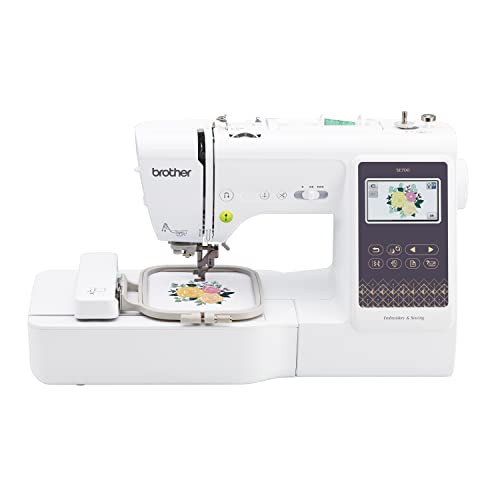
The Brother SE700 is a sewing and embroidery hybrid that gives you two machines in one. It targets crafters who want to sew garments and then add embroidered details without switching equipment. The 4″ x 4″ hoop is small but enough for monograms, small patches, and decorative accents on pockets or collars.
What stands out is the wireless LAN connection. You can send designs from a computer or the Artspira mobile app directly to the machine. The 3.7-inch color touchscreen lets you preview, rotate, and scale designs before stitching. That on-screen editing saves fabric and thread, especially if you are testing new patterns. It comes with eight sewing feet, including a buttonhole foot and a monogramming foot, so you do not need to buy extras for basic sewing tasks.
The trade-off is the hoop size restriction. A 4″ x 4″ field cannot handle large designs like full back logos or quilt blocks. If you plan to embroider towels or shirt backs, this machine will force you to re-hoop and realign, which can be tedious. Also, the combo nature means you give up some sewing features compared to a dedicated sewing machine. The stitch quality is good but not industrial-grade. It is a solid starting point, but serious embroiderers will outgrow it quickly.
- 135 built-in embroidery designs and 103 sewing stitches
- Wireless LAN and USB connectivity for file transfer
- 3.7-inch color touchscreen with on-screen editing
- Includes eight sewing feet and embroidery hoop
- Maximum embroidery speed not specified but typical for home machines
Best for: Someone who sews and embroiders occasionally and wants a single machine for both hobbies.
Brother SE700 Bundle

Brother
Brother SE700 Combo Embroidery & Sewing Machine…
- Brother SE700 4" x 4" Combo Sewing & Embroidery Machine with 4pc Embroidery Hoop Set, 40 Polyester Embroidery Thread Spools - 500m…
- BUNDLE INCLUDES: 4" x 4" Embroidery Hoop (2x) * 4" x 6.75" Embroidery Hoop * 1" x 2.5" Embroidery Hoop * 40 Polyester Embroidery T…
- BUNDLE INCLUDES: Zigzag foot “J” (on machine) * Monogramming foot “N” * Overcasting foot “G” * Zipper foot “I” * Blind stitch foot…
This bundle takes the same SE700 machine and packs it with extras that save you from buying supplies separately. You get two more hoops: a 4″ x 6.75″ oval and a tiny 1″ x 2.5″ hoop, plus a set of 40 polyester embroidery thread spools (500 meters each). The thread collection covers a wide color range, which is useful when you want to start stitching right away.
The additional hoops matter. The 4″ x 6.75″ hoop gives you more space for longer designs, like a name along a towel border. The tiny hoop lets you embroider on cuff links or small baby clothes without distorting the fabric. The bundle also includes design cards with SVG and JPG files for commercial use, which is a nice perk if you plan to sell your work. All the standard accessories like bobbins, seam ripper, and scissors are there too.
That said, the machine itself is still the SE700 with the same 4″ x 4″ hoop limitation for the main embroidery area. The extra hoops are great, but the maximum stitch field remains small unless you re-hoop. The thread set is polyester, which works fine for most projects, but serious embroiderers often prefer rayon or specialty threads for sheen. The bundle adds value but does not upgrade the core capabilities of the machine.
- Same SE700 machine with additional 4″ x 6.75″ and 1″ x 2.5″ hoops
- 40 polyester thread spools, 500 meters each
- Design cards with SVGs and JPGs for commercial use
- Includes extra feet, bobbins, and cleaning tools
- Artspira app support for custom designs
Best for: Beginners who want a complete starter package and do not want to hunt down threads and hoops separately.
Brother Skitch Embroidery

Brother
Brother Skitch Single-Needle Embroidery Machine Bluetooth
- ARTSPIRA CONNECTION: Draw your next embroidery project on the free and required Artspira(1) App and get ready to add a dash of you…
- NOW THERE IS EMBROIDERY FOR EVERYONE: New to embroidery The Skitch Embroidery Machine is a great way to start your embroidery jour…
- IMPORT YOUR OWN EMBROIDERY FILES: Users of the unpaid version of Artspira are able to import any PES, PHC, PHX, or DST embroidery…
The Brother Skitch PP1 is a single-needle embroidery machine built around the Artspira app. It is compact, lightweight, and designed for people who want to embroider on ready-made clothes without a big setup. You draw or import your design on your phone or tablet, then transfer it to the machine via Bluetooth. No computer required.
This machine solves the problem of space. It fits on a small desk or even a sturdy table in a corner. The 4″ x 4″ hoop is standard, but the real appeal is the simplicity. You do not need to learn complex software. The Artspira app lets you import PES, PHC, PHX, or DST files, and you can store up to 20 designs at a time. The machine sews at up to 400 stitches per minute, which is slower than multi-needle machines but fine for one-off pieces.
The downside is the single needle. Every color change means you stop, cut the thread, and rethread. For a two-color design this is manageable, but a six-color logo becomes a patience test. Also, the machine does not have a built-in design library; you rely entirely on the app. If your phone dies or you lose Bluetooth connection mid-project, you might need to restart. It is a machine for quick, small personalization, not high-volume production.
- Single needle, max speed 400 spm
- Bluetooth connection to Artspira app (iOS/Android)
- Imports PES, PHC, PHX, DST files
- Stores up to 20 designs in the app
- Small footprint, weighs under 15 lbs
Best for: Casual crafters who want to personalize store-bought items like jeans or towels without dedicating a whole craft room.
Smartstitch S-1001 Commercial

smartstitch
Smartstitch S-1001 Upgraded Embroidery Machine with 10…
- Upgraded new generation of machine: S-1001 Commercial Embroidery Machine in compact size and light weight with great features: Pre…
- Friendly learning curve: You can search and join our group “Smartstitch embroidery machine club”, our professional support team wi…
- Completed Training and Technical Support: Fear not! Smartstitch provides operation manuals and video trainings to ensure you can g…
The Smartstitch S-1001 is a commercial-grade embroidery machine with 10 needles and a 9.5″ x 14.2″ embroidery area. It handles flat goods, caps, T-shirts, bags, and even leather. The machine includes auto thread trimming, automatic color changing, a self-lubrication system, and thread break detection. These features reduce downtime and make production runs efficient.
What sets this machine apart is the support package. Smartstitch provides operation manuals, video training, and online access to a community of users. They also offer remote technical support from engineers. For someone starting a small business, this kind of hand-holding can save weeks of frustration. The starter pack includes machine embroidery threads, stabilizers, and bobbin threads, so you can begin stitching right away.
The cost is high, and this machine is not for hobbyists. It takes up a lot of space and requires a sturdy table or stand. The learning curve, while supported, is still steep if you have never used a multi-needle machine. You need to understand digitized files (DST/DSB). Also, the return policy is strict: you must keep the original wooden pallet and packaging intact for potential returns. If you are not ready for commercial volume, this machine will be overkill.
- 10 needles, auto thread trimming and color change
- 7-inch touchscreen, laser positioning
- Embroidery area 9.5″ x 14.2″
- USB and WiFi connectivity
- Starter pack includes threads and stabilizers
Best for: Entrepreneurs and small businesses that need to produce high volumes of embroidered products on various items.
Brother PE545 Embroidery
Brother
Brother PE545 Wireless Embroidery Machine 4x4 Hoop…
- WIRELESS LAN ENABLED: Transmit embroidery files from your PC to your embroidery machine via the free downloadable software Design…
- ARTSPIRA MOBILE APP: Make custom embroidery patterns by drawing on your mobile device, or download patterns from the collection an…
- 4" x 4" EMBROIDERY FIELD: This Brother embroidery machine is built with a 4" x 4" embroidery field and includes a hoop
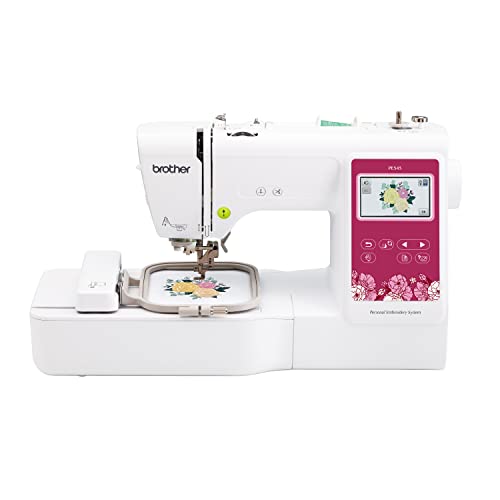
The Brother PE545 is a dedicated single-needle embroidery machine with a 4″ x 4″ hoop and a focus on design variety. It comes with 135 built-in patterns, 10 fonts (7 English, 3 Japanese), and a 3.7-inch color touchscreen. Wireless LAN and USB let you transfer files easily. The Artspira app also works with this machine for custom drawings.
This machine is simpler than the combo SE700 because it skips sewing functions. That means a more streamlined interface and lower cost. The touchscreen allows drag-and-drop positioning, zoom, and rotation. You can also watch tutorial videos directly on the screen. For someone who only wants to embroider and does not sew garments, this is a cleaner choice than a hybrid.
The limitation is again the 4″ x 4″ hoop. No ability to do larger designs without re-hooping. Also, the single needle means manual color changes. The machine does not have an automatic thread cutter. It is a capable home machine but will frustrate anyone who needs to do multi-color designs in any quantity. The 135 designs are mostly decorative; commercial or highly specific logos will require importing custom files.
- 135 built-in designs, 10 fonts
- 3.7-inch color touchscreen with on-screen editing
- Wireless LAN and USB connectivity
- 4″ x 4″ embroidery hoop included
- Artspira app support for custom patterns
Best for: Dedicated embroiderers who want a straightforward machine with lots of preloaded designs and a simple editing interface.
How We Chose These Products
We evaluated embroidery machines based on four criteria: versatility, ease of use, build quality, and value for the intended audience. Hand embroidery was considered as the counterpart in terms of time, skill, and environmental impact. We looked for machines that serve different slices of the market—from the hobbyist who embroiders a few items a month to the business owner stitching hundreds of hats a week.
We also examined customer feedback patterns (not star counts), community discussions, and hands-on user reports. The machines that made the list all have reliable brand support (Brother, Smartstitch) and are widely available. We excluded machines with documented reliability issues or those that lack basic features like a touchscreen or connectivity. Each product here fills a specific niche, and together they cover the spectrum from casual to commercial.
Buying Guide: What Really Matters
Choosing between hand and machine embroidery starts with your project type and your goals. Hand embroidery gives you rich textures, portable work, and absolute control over every stitch. It uses simple materials: a hoop, needle, thread, and fabric. The environmental footprint is low—no electricity, minimal waste, and natural materials if you choose cotton or linen. The trade-off is time. A small hand-embroidered piece can take 10 to 20 hours. Machine embroidery finishes the same pattern in minutes but consumes electricity and produces plastic waste from stabilizers and thread snips.
For beginners, start with hand embroidery to learn stitch basics. It costs little to try. Once you know you want to produce multiple copies or work on larger items, a machine becomes worthwhile. The most important spec in a machine is the hoop size. A 4″ x 4″ hoop is fine for patches and monograms. For towels, shirts, or jackets, look for at least 5″ x 7″ or larger. Single-needle machines are cheaper but require manual color changes. Multi-needle machines (like the Smartstitch with 10 needles) handle multiple colors automatically but cost thousands. If you sew as well as embroider, a combo machine saves space. If you only embroider, a dedicated machine is simpler.
Future trends point toward app-based design and wireless transfer. Machines like the Brother Skitch and SE700 already use Artspira for drawing on a tablet. Expect more AI-assisted design tools that convert photos into embroidery patterns. Also, sustainability is becoming a factor: some brands are exploring biodegradable stabilizers and thread recycling. For now, hand embroidery remains the greener choice, but machine embroidery is catching up with energy-efficient motors and reduced waste in production digitizing.
Our Top Recommendation
For most people, the best overall machine is the Brother SE700. It offers sewing and embroidery in one, wireless connectivity to a powerful app, and a reasonable price point. The 4″ x 4″ hoop is a limitation, but for monograms, patches, and small decorative work it handles nearly everything a home crafter needs. If you want extra supplies from the start, spring for the bundle version—the extra hoops and 40 thread spools save money and frustration.
If you are a beginner who just wants to personalize clothes without learning sewing first, the Brother Skitch is a close second. Its app-based design and small footprint make it the easiest machine to use. For small business owners, the Smartstitch S-1001 is the real recommendation. The 10 needles and large hoop area turn out professional-grade work fast, and the support team helps you get past the learning curve. Avoid the single-needle PE545 if you plan to do multi-color designs regularly; the manual color changes will slow you down.
Frequently Asked Questions
Is hand embroidery or machine embroidery better for small projects?
Hand embroidery is often better for very small or delicate projects like greeting cards, jewelry, or art pieces where you want unique texture. Machine embroidery excels when you need to make several identical small items, like monogrammed handkerchiefs for a wedding. The machine is faster, but you lose the handcrafted feel.
Can I combine hand and machine embroidery in one project?
Yes. Many crafters machine-embroider the base outline or fill area, then add hand-stitched details for contrast and dimension. The machine handles repetitive parts; hand stitching adds the personal touch. Just ensure your fabric and stabilizer can handle both methods without puckering.
How long does it take to learn machine embroidery compared to hand embroidery?
Hand embroidery basics can be learned in an hour; mastery takes years. Machine embroidery requires learning to digitize or import designs, hoop properly, and use the machine interface. That can take a full weekend to feel comfortable. But once set up, the machine produces results much faster than hand stitching.
What is the environmental impact of each method?
Hand embroidery has a very low impact. Tools last decades, thread is natural or recycled, and no electricity is used. Machine embroidery uses electricity, plastic stabilizers that go to landfills, and thread waste from trimming. Some stabilizers are water-soluble, but most are not biodegradable. If sustainability matters, hand embroidery is the greener choice, but machine embroidery can reduce fabric waste by allowing precise placement and test stitching on scraps.
