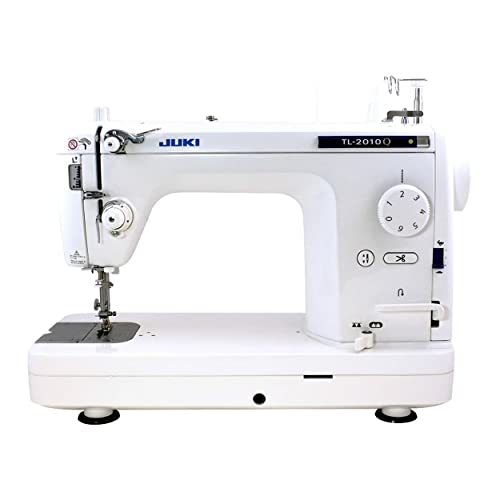

The Juki TL-2000Qi sewing machine has gained a strong reputation among quilters and sewing enthusiasts alike. Known for its impressive features and user-friendly design, this machine has become a staple in many sewing rooms. Whether you’re a beginner looking to dive into the world of sewing or an experienced quilter seeking a reliable machine, the TL-2000Qi offers a range of functions that cater to various sewing needs. In this article, we will explore the features, advantages, and tips for using the Juki TL-2000Qi, ensuring you make the most of this remarkable sewing machine.
Table of Contents
- Features of the Juki TL-2000Qi
- Setting Up the Juki TL-2000Qi
- Sewing Tips for the Juki TL-2000Qi
- Maintenance and Care
- FAQs
- Conclusion
Features of the Juki TL-2000Qi
The Juki TL-2000Qi offers a variety of features that make it stand out from other sewing machines on the market. Here are some of the key features:
1. High-Speed Stitching
This machine is capable of sewing at a speed of up to 1,500 stitches per minute, making it ideal for quilting large projects efficiently.
2. Automatic Needle Threader
The automatic needle threader simplifies the threading process, saving time and frustration for users.
3. Adjustable Presser Foot Pressure
With adjustable presser foot pressure, users can easily control the pressure applied to the fabric, allowing for better handling of different materials.
4. Large Work Area
The Juki TL-2000Qi features a spacious work area, providing ample space for handling large quilts and projects with ease.
5. Built-In Walking Foot
The built-in walking foot ensures even feeding of multiple layers of fabric, which is particularly beneficial for quilting.
6. Drop Feed Mechanism
The drop feed mechanism allows for free-motion quilting, giving users the ability to create intricate designs and patterns.
Setting Up the Juki TL-2000Qi
Getting started with your Juki TL-2000Qi sewing machine is straightforward. Follow these steps to ensure a smooth setup process:
1. Unboxing and Assembly
Carefully unbox your sewing machine, ensuring all components are present. Follow the assembly instructions provided in the manual to set up your machine correctly.
2. Plugging In and Powering On
Connect your machine to a power source and turn it on. Make sure to check that the power cord is secure and that the machine is on a stable surface.
3. Threading the Machine
Use the automatic needle threader to thread the machine. Refer to the user manual for specific instructions on threading the bobbin and upper thread.
4. Selecting Stitch Settings
Utilize the machine’s stitch settings to select your desired stitch type and length, depending on the fabric you are working with.
5. Testing Stitches
Before diving into your project, it’s advisable to test your stitches on scrap fabric. This will ensure everything is functioning correctly and allow you to make any necessary adjustments.
Sewing Tips for the Juki TL-2000Qi
To make the most of your Juki TL-2000Qi, consider the following sewing tips:
1. Use Quality Threads and Fabrics
Invest in high-quality threads and fabrics to achieve the best results. Poor-quality materials can lead to thread breakage and uneven stitching.
2. Keep Your Machine Clean
Regularly clean your sewing machine to prevent lint buildup, which can affect performance. Use a soft brush to remove dust and debris from the bobbin area and feed dogs.
3. Adjust Stitch Length for Different Fabrics
Different fabrics require different stitch lengths. For lightweight fabrics, a shorter stitch length works best, while heavier materials may need a longer stitch.
4. Practice Free-Motion Quilting
Take advantage of the drop feed mechanism to practice free-motion quilting. Start with simple designs before moving on to more complex patterns.
5. Utilize the Walking Foot for Quilting
For quilting projects, the built-in walking foot ensures even feeding of multiple layers. Always use it when working with thick or layered fabrics.
Maintenance and Care
1. Regular Cleaning
Clean the machine after every few projects to prevent dust buildup. Pay special attention to the bobbin area and feed dogs.
2. Oil the Machine
Refer to the user manual for oiling instructions. Regularly oiling your machine can ensure smooth operation and prolong its life.
3. Check for Loose Screws
Periodically check for any loose screws or components. Tightening them can prevent issues during sewing and maintain the machine’s stability.
4. Store Properly
When not in use, cover your Juki TL-2000Qi with a dust cover to protect it from dust and debris. Ensure it’s stored in a cool, dry place.
FAQs
A: Yes, the Juki TL-2000Qi is designed with user-friendly features, making it a great choice for beginners looking to learn sewing and quilting.
A: While the TL-2000Qi is primarily a sewing and quilting machine, it can be used for basic embroidery projects. However, for more complex embroidery designs, a dedicated embroidery machine may be better suited.
A: It’s advisable to clean your machine after every few projects and oil it as recommended in the user manual. Regular maintenance helps ensure optimal performance.
A: The Juki TL-2000Qi can handle a variety of fabrics, including cotton, denim, and other medium to heavy-weight materials. Always adjust your stitch settings based on the fabric type.
Conclusion
The Juki TL-2000Qi sewing machine is a powerful and versatile tool that caters to the needs of both novice and experienced sewists. Its robust features, including high-speed stitching, an automatic needle threader, and adjustable presser foot pressure, make it an excellent choice for quilting and general sewing projects. By following proper setup, sewing tips, and maintenance practices, you can ensure that your machine remains in top condition for years to come.
Whether you’re embarking on a new quilting project or looking to enhance your sewing skills, the Juki TL-2000Qi is a reliable partner that will help you achieve professional results. Don’t forget to explore additional resources and tools to complement your sewing journey, such as embroidery kits or specialized machines for different projects. Happy sewing!