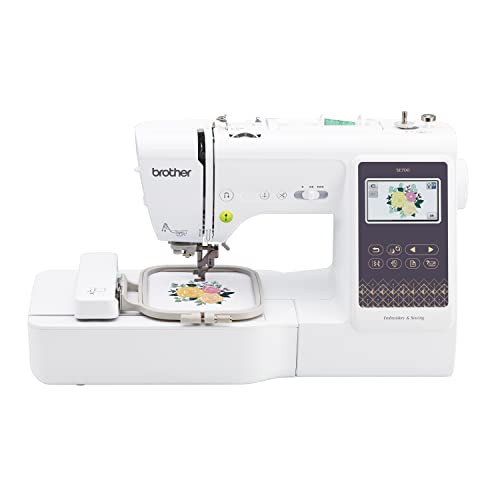
Machine embroidery letters have revolutionized the way we personalize fabrics, creating endless possibilities for crafters and professionals alike. Whether you’re looking to add names, monograms, or intricate lettering to your projects, understanding how to effectively use machine embroidery letters can elevate your sewing game. In this article, we’ll explore everything you need to know about machine embroidery letters, from selecting the right fonts to troubleshooting common issues.
Understanding Machine Embroidery Letters
Machine embroidery letters are specially designed fonts that can be stitched onto fabric using an embroidery machine. Unlike traditional sewing, machine embroidery allows for more intricate designs and consistent results. Understanding the basics of machine embroidery letters is essential for anyone looking to enhance their sewing projects.
Different Types of Embroidery Fonts
There are various types of embroidery fonts available, including:
- Block Fonts: Simple and easy to read, block fonts are perfect for beginners.
- Script Fonts: These fonts mimic handwriting and add a personal touch to your projects.
- Decorative Fonts: Ideal for adding flair, decorative fonts can be intricate and artistic.
- Custom Fonts: Some embroidery machines allow you to create or download custom fonts for unique designs.
Selecting the Right Font
Choosing the right font for your project is crucial. Here are some tips to help you make the best selection:
Readability and Size
When choosing a font, ensure that it is legible and appropriate for the size of your embroidery. Smaller fonts may become difficult to read when stitched, so test out a few samples before committing to a final design.
Style and Theme
Consider the theme of your project. For example, a rustic font may be ideal for home décor, while a modern font works well for contemporary clothing. Make sure the style aligns with the overall vision of your project.
Preparing Your Project
Once you’ve selected your font, it’s time to prepare your project for embroidery. Proper preparation ensures that your embroidered letters will turn out beautifully.
Choosing the Right Fabric
Different fabrics behave differently during embroidery. Some fabrics may require special treatment or stabilizers to prevent puckering or distortion. Here are some common fabric types:
| Fabric Type | Recommended Stabilizer |
|---|---|
| Cotton | Cutaway or Tearaway Stabilizer |
| Denim | Cutaway Stabilizer |
| Knits | Mesh Stabilizer |
| Silk | Water-Soluble Stabilizer |
Hooping Your Fabric
Proper hooping is essential for successful embroidery. Make sure your fabric is taut but not stretched, as this can lead to misalignment and uneven stitching. Use the appropriate hoop size for your project.
Stabilizers and Thread
The right stabilizer and thread can make all the difference in the quality of your machine embroidery letters. Here are some considerations:
Choosing the Right Stabilizer
Stabilizers support the fabric during the embroidery process. Common types include:
- Cutaway Stabilizer: Best for knit fabrics and designs with dense stitching.
- Tearaway Stabilizer: Ideal for lighter fabrics and simpler designs.
- Water-Soluble Stabilizer: Great for delicate fabrics or when you need a temporary solution.
Selecting the Right Thread
Thread choice can impact the overall look of your embroidered letters. Here are some tips for selecting thread:
- Color: Choose thread colors that contrast well with your fabric for visibility.
- Weight: Use embroidery thread that is specifically designed for machine embroidery, usually lighter than regular sewing thread.
- Type: Rayon and polyester are popular choices for machine embroidery due to their durability and sheen.
Troubleshooting Common Issues
Even with careful preparation, issues can arise during the embroidery process. Here are some common problems and how to address them:
Puckering
Puckering can occur when the fabric is not properly stabilized or if the tension is too tight. To fix this:
- Ensure that you’re using the correct stabilizer for your fabric.
- Adjust the tension on your embroidery machine to find the right balance.
Thread Breakage
Thread breakage can be caused by several factors, including:
- Incorrect threading of the machine.
- Using the wrong needle type or size.
- Low-quality thread.
To resolve this, double-check your threading and consider switching to a different needle and thread brand.
Design Misalignment
If your design is misaligned, it can ruin the appearance of your embroidery. To prevent this:
- Ensure proper hooping before starting the embroidery.
- Use positioning marks to accurately place your design on the fabric.
Creative Uses for Machine Embroidery Letters
The versatility of machine embroidery letters allows for countless creative applications. Here are some ideas to inspire you:
Personalized Gifts
Create personalized gifts by adding names or monograms to items such as towels, bags, or clothing. Customized gifts are always appreciated and add a personal touch.
Home Décor
Enhance your home with custom embroidery on throw pillows, table runners, or wall art. Use machine embroidery letters to add quotes or family names for a unique touch.
Fashion and Accessories
Add machine embroidery letters to clothing items like jackets, hats, or scarves. This can make a simple piece stand out and reflect your personal style.
FAQ
A: Not all fonts are suitable for machine embroidery. It’s best to use fonts specifically designed for embroidery machines to ensure good results.
A: Use embroidery software to digitize fonts. This software will convert the font into a format that your embroidery machine can read.
A: Ensure you’re using the correct needle and thread type, and check that the machine is threaded properly.
A: Yes, but it’s important to use the right stabilizer and needle to accommodate the stretch.
Conclusion
Mastering machine embroidery letters can transform your sewing projects and open up a world of creative possibilities. By understanding the different types of fonts, selecting the right materials, and troubleshooting common issues, you can achieve professional-looking results. Whether you’re creating personalized gifts or enhancing your home décor, machine embroidery letters are an invaluable tool for any sewing enthusiast. For more tips and resources, check out our guide on Discover Unique Embroidery in Fort Wayne, Indiana! and find Finally Found the Best Folding Sewing Table for My Space! to organize your workspace. Remember, the journey of learning and creating is just as important as the final product, so enjoy the process!