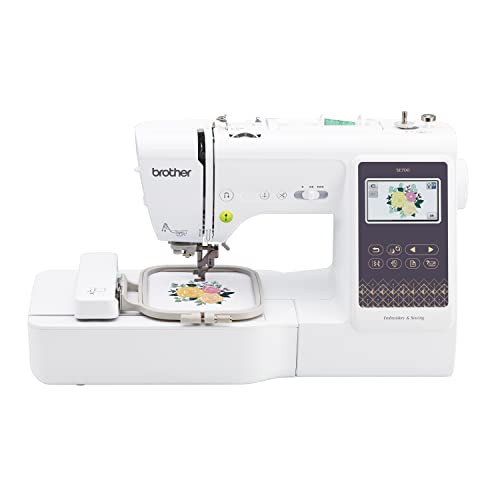

Machine embroidery sewing has revolutionized the world of crafting, offering enthusiasts and professionals alike a powerful tool to create intricate designs with precision and ease. From simple monograms to elaborate patterns, machine embroidery opens up a realm of possibilities for personalizing clothing, home décor, and gifts. Whether you are a seasoned sewist or a newcomer eager to explore this creative avenue, understanding the fundamentals of machine embroidery can greatly enhance your sewing experience.
Understanding Machine Embroidery
Machine embroidery is a method of decorating fabric using a sewing machine or embroidery machine. Unlike hand embroidery, which can be time-consuming and requires a high level of skill, machine embroidery automates the process, allowing for quicker production and more intricate designs. It uses a variety of stitches, threads, and fabrics to create beautiful, professional-looking embroidery.
The Evolution of Machine Embroidery
Machine embroidery has its roots in the industrial revolution when sewing machines were first introduced. Over the decades, technology has advanced significantly, leading to the development of computerized embroidery machines that can store designs and execute them with precision. Today’s machines come equipped with features such as touch screens, automatic thread cutting, and a plethora of built-in designs, making embroidery accessible to everyone.
Types of Machine Embroidery
There are several types of machine embroidery, each with its unique characteristics:
- Free-Motion Embroidery: This technique allows the sewist to control the movement of the fabric while the machine stitches, creating unique designs.
- Digitized Embroidery: This involves converting images into a format that an embroidery machine can read, allowing for intricate and detailed designs.
- Appliqué: In this method, fabric pieces are sewn onto a base fabric to create a design, often combined with embroidery for added detail.
Choosing the Right Equipment
Selecting the right machine and accessories is crucial for successful machine embroidery sewing. Here’s what to consider when choosing your equipment:
Embroidery Machines
There is a wide range of embroidery machines available, from basic models for beginners to high-end machines for professionals. When choosing an embroidery machine, consider the following:
- Built-in Designs: Look for a machine with a variety of built-in designs, which can save you time and money.
- Hoop Sizes: Different projects require different hoop sizes; ensure the machine you choose can accommodate various sizes.
- Connectivity: Some machines allow for USB connectivity, enabling you to upload your designs easily.
Essential Accessories
Apart from the machine, you’ll need several accessories to enhance your machine embroidery experience:
- Embroidery Hoops: These keep your fabric taut during stitching. Different projects may require different hoop sizes.
- Stabilizers: These provide support to the fabric during the embroidery process, preventing it from puckering.
- Threads: Use high-quality embroidery threads for the best results. Polyester and rayon threads are popular choices for their sheen and strength.
Preparing for Embroidery
Before you start machine embroidery, proper preparation is essential to ensure a smooth process and high-quality results.
Choosing the Right Fabric
Selecting the right fabric is crucial for successful embroidery. Different fabrics behave differently under the needle. Here are some popular choices:
| Fabric | Characteristics | Recommended Stabilizer |
|---|---|---|
| Cotton | Easy to embroider; holds designs well. | Cutaway or tear-away stabilizer |
| Denim | Thicker and sturdier; requires sharp needles. | Cutaway stabilizer |
| Knits | Stretchy; may require special techniques. | Water-soluble or cutaway stabilizer |
Preparing Your Design
Once you’ve selected your fabric, it’s time to prepare your design. This involves digitizing the design if it’s not already in a compatible format. Many software programs are available for this purpose, simplifying the process of converting images into embroidery files.
Designing Your Embroidery
Creating a unique design is one of the most exciting aspects of machine embroidery sewing. Here’s how to approach it:
Using Software for Design
Embroidery design software allows you to create or modify designs easily. You can add text, manipulate shapes, and adjust stitch types. Some popular embroidery software options include:
- Embird: A versatile program with various tools for editing designs.
- Wilcom: A professional-grade software used for creating high-quality embroidery designs.
- SewArt: A user-friendly option for beginners looking to convert images into embroidery files.
Testing Your Design
Before stitching on your final fabric, always perform a test run on a similar fabric. This allows you to see how the design will look and make any necessary adjustments without risking your main project.
Common Techniques in Machine Embroidery
Machine embroidery offers various techniques that can enhance your projects. Here are a few popular methods:
Monogramming
Monogramming is a classic embroidery technique that involves stitching initials or names onto fabric. This technique adds a personal touch to gifts and garments.
In-the-Hoop Projects
In-the-hoop embroidery projects are completed entirely within the embroidery hoop, which can include items like bags, coasters, and keychains. This technique simplifies assembly and often creates unique finished products.
3D Puff Embroidery
3D puff embroidery uses foam to create a raised effect on the fabric. This adds depth and texture to designs, making them stand out.
Troubleshooting Common Issues
Even with the best preparation, issues can arise during machine embroidery. Here are some common problems and their solutions:
Thread Breakage
Thread breakage can occur for several reasons, including incorrect tension, dull needles, or low-quality thread. To troubleshoot:
- Check and adjust the thread tension.
- Replace the needle with a new, appropriate type.
- Use high-quality embroidery thread.
Puckering Fabric
Puckering can ruin the appearance of your design. To prevent this:
- Ensure you are using the correct stabilizer for your fabric.
- Hoop the fabric properly, making sure it’s taut but not overstretched.
- Check your stitch density; too many stitches can pull the fabric.
Care and Maintenance of Your Machine
To prolong the life of your embroidery machine and ensure it operates smoothly, regular maintenance is essential. Here are some tips:
Regular Cleaning
Dust and lint can accumulate in your machine, affecting performance. Regularly clean the machine by:
- Removing the needle plate and cleaning out any debris.
- Using a small brush to clean around the bobbin area.
- Wiping down the exterior with a soft cloth.
Oiling the Machine
Refer to your machine’s manual for specific oiling instructions. Regularly oiling the moving parts helps keep your machine running smoothly.
FAQ
A: The best fabric depends on your project. Cotton and denim are popular choices, but for knits, use a stabilizer to prevent stretching. Check out Exploring Embroidery on Knits by Judit Gummlich for more tips.
A: Some sewing machines have embroidery capabilities, but dedicated embroidery machines offer more features and better results for intricate designs.
A: The choice of stabilizer depends on the fabric and the type of embroidery. For lightweight fabrics, use tear-away stabilizers, while for knits, consider using cutaway stabilizers.
A: While there is a learning curve, many find machine embroidery manageable with practice. Start with simple projects to build your confidence.
Machine embroidery sewing is a rewarding craft that combines creativity with technology. With the right tools, techniques, and preparation, you can create stunning designs that elevate your sewing projects. Whether you’re personalizing gifts or creating unique home décor, mastering machine embroidery opens up a world of possibilities. For those looking to expand their embroidery skills or explore different machine options, consider reading about the Melco embroidery machine review or discover the best embroidery and sewing machine combo for your crafting needs. And don’t forget to try out new projects, like creating doilies in embroidery hoops, as discussed in Transform Your Space: Doilies in Embroidery Hoops!
With dedication and practice, your machine embroidery skills will flourish, allowing you to express your creativity and make unique, personalized items that you can cherish or share with others.