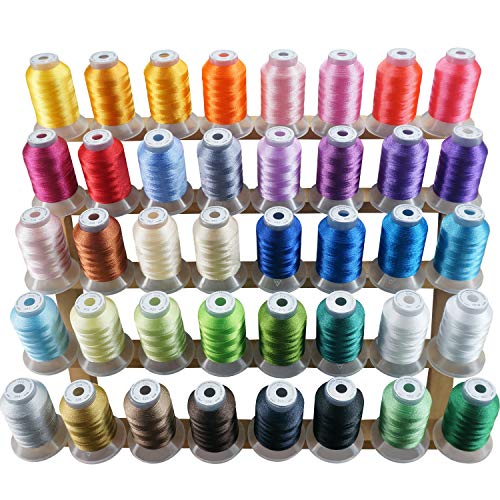
Machine embroidery has become an essential aspect of textile arts, allowing crafters to create intricate designs with ease and precision. One of the most crucial elements in achieving stunning results in machine embroidery is the choice of thread. The right machine embroidery thread not only enhances the overall aesthetic of your projects but also impacts the durability and functionality of the finished product. This article delves into the various types of machine embroidery threads, their applications, and tips for selecting the best thread for your projects.
Types of Machine Embroidery Thread
Machine embroidery threads come in various types, each designed for specific purposes and effects. Understanding these types will help you choose the right thread for your embroidery projects.
Rayon Thread
Rayon thread is one of the most popular choices for machine embroidery due to its vibrant colors and shiny finish. It drapes beautifully and can create stunning designs that stand out. However, it’s essential to note that rayon is less durable than some other options and can fade over time.
Polyester Thread
Polyester thread is known for its strength and durability. It resists fading, making it an excellent choice for items that will be washed frequently, such as uniforms or everyday wear. Although it may not have the same shine as rayon, many manufacturers offer high-quality polyester threads that mimic the appearance of rayon.
Cotton Thread
Cotton thread is favored for its natural fiber content and is often used in quilting and projects where a matte finish is desired. It can be less slippery than synthetic options, which may be beneficial for certain sewing techniques. However, cotton thread may not be as strong as polyester or rayon, so it’s essential to match it with your project requirements.
Metallic Thread
Metallic thread adds a stunning element to embroidery projects with its shiny, reflective surface. However, it can be tricky to work with as it tends to fray and break easily. To avoid issues, use a larger needle and adjust the tension settings on your machine.
Materials Used
The material composition of machine embroidery threads plays a significant role in their application and performance. Here are some key materials commonly used in embroidery threads:
| Material | Characteristics | Recommended Use |
|---|---|---|
| Rayon | Shiny, vibrant colors; drapes well | Decorative embroidery |
| Polyester | Durable, fade-resistant | Everyday items, uniforms |
| Cotton | Natural fiber, matte finish | Quilting, vintage-style projects |
| Metallic | Shiny, reflective | Accent stitching, special effects |
Understanding Thread Weight
Thread weight is a crucial factor in machine embroidery. It determines the thickness of the thread and thus affects the overall look and feel of the embroidery. Thread weight is typically measured in two systems: the Tex system and the denier system. The lower the number, the finer the thread.
Common Thread Weights
- 30 wt: Heaviest; ideal for bold designs and high-density embroidery.
- 40 wt: Most commonly used for general machine embroidery; versatile for various projects.
- 50 wt: Thinner; often used for fine details and delicate designs.
- 60 wt: Very fine; excellent for intricate work and small lettering.
Choosing the Right Color
Color selection is one of the most enjoyable aspects of machine embroidery. With countless shades available, the right color can elevate your project. Here are some tips for choosing the best color:
Color Theory Basics
Understanding color theory can help you create visually appealing designs. Consider using complementary colors (opposite on the color wheel) for contrast, or analogous colors (next to each other on the wheel) for a harmonious look.
Test Swatches
Before committing to a color, especially for larger projects, create test swatches to see how the colors look when stitched. This step can save you time and materials in the long run.
Applications of Machine Embroidery Thread
Machine embroidery threads find applications across various sectors, from fashion to home décor. Here are some common uses:
Fashion and Apparel
Machine embroidery is widely used in fashion to add decorative elements to clothing. Brands often use high-quality threads to ensure durability and a professional finish in their products.
Home Textiles
From cushion covers to table linens, machine embroidery can enhance home textiles, giving them a personalized touch. Choose durable threads for items that will undergo frequent washing.
Promotional Items
Businesses often use machine embroidery to create branded merchandise. Items such as caps, bags, and shirts can be embroidered with logos and slogans, making them effective marketing tools.
Caring for Your Thread
Proper care of machine embroidery thread is essential for maintaining its quality and ensuring optimal performance. Here are some tips for thread maintenance:
Storage
Store threads in a cool, dry place away from direct sunlight to prevent fading and deterioration. Consider using thread organizers to keep spools untangled and easy to access.
Preventing Tangling
When using multiple threads, take care to unwind them carefully to prevent tangling. A thread stand can be helpful for organizing multiple spools during sewing.
FAQs
A: The best thread for machine embroidery depends on your project. Generally, polyester and rayon are popular choices for their durability and shine, respectively.
A: The thread weight depends on the fabric and design requirements. Most embroidery projects use 40 wt thread, but you may choose heavier or lighter threads based on the desired effect.
A: Yes, you can mix threads, but ensure that the thread weights are compatible to maintain even tension and stitch quality throughout the embroidery.
Conclusion
Machine embroidery thread is a vital component in the world of sewing and embroidery, influencing both aesthetics and functionality. By understanding the various types of threads, their materials, weights, and applications, you can make informed decisions that enhance your projects. Whether you’re creating custom apparel, home textiles, or promotional items, the right thread can make all the difference in achieving professional-quality results. For those looking to dive deeper into the world of machine embroidery, consider exploring options like Affordable Embroidery Machine: Easy Payment Plan Option! or Naturally Perfect for Embroidery: Nike Polos Shine!. Happy stitching!