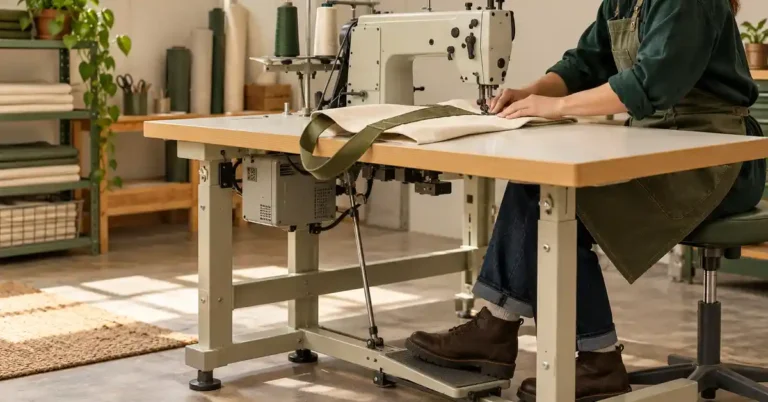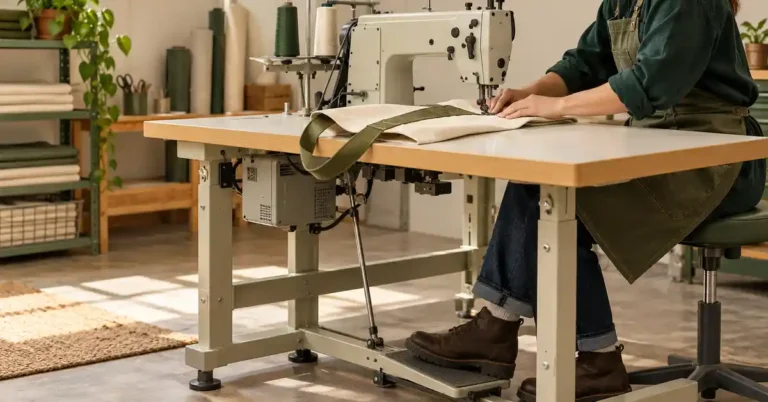

For sewing enthusiasts and beginners alike, owning a reliable sewing machine can make all the difference in your crafting experience. The Manual Kenmore Sewing Machine 158 stands out as a classic choice, known for its durability and user-friendly features. Whether you’re mending clothes, creating new garments, or exploring embroidery projects, understanding the ins and outs of the Kenmore 158 can empower you to unleash your creativity. In this article, we will delve into the features, benefits, and operational guidelines of the Manual Kenmore Sewing Machine 158.
Overview of the Kenmore Sewing Machine 158
The Kenmore Sewing Machine 158 is part of a series that has earned a reputation for its reliability and ease of use. Manufactured by Sears, this model is highly sought after in the second-hand market due to its sturdy build and versatile functions. It’s capable of handling various sewing tasks, from basic stitching to more complex projects.
Key Features
The Kenmore 158 is packed with features that cater to a range of sewing needs. Here are some of its standout characteristics:
Stitches and Patterns
This sewing machine offers a variety of stitches, including straight, zigzag, and decorative patterns. The adjustable stitch length and width allow users to customize their sewing experience, making it ideal for both basic sewing and decorative projects.
Built-in Accessories
Included with the Kenmore 158 are several presser feet, which enhance its versatility. Some common presser feet are the zipper foot, buttonhole foot, and blind hem foot, allowing you to tackle different types of sewing tasks effortlessly.
Easy Threading Mechanism
The Kenmore 158 features a user-friendly threading mechanism, which simplifies the process of setting up the machine. This is especially beneficial for beginners who may find threading a sewing machine daunting.
Durable Construction
Built with heavy-duty materials, the Kenmore 158 is designed to withstand years of sewing projects. Its solid construction ensures stability while sewing, which is crucial for achieving professional-looking results.
Setting Up Your Kenmore 158
Setting up your Kenmore 158 is straightforward. Follow these steps to get started:
Unboxing and Assembly
Upon receiving your Kenmore 158, carefully unbox it and check for all parts. The package typically includes the sewing machine body, foot pedal, power cord, and various presser feet. Assemble the machine according to the manual’s instructions.
Threading the Machine
To thread your machine:
- Place your spool of thread on the spool pin.
- Guide the thread through the tension disc, following the threading diagram located on the machine.
- Thread the needle from front to back.
- Finally, pull the bobbin thread through the needle plate.
Adjusting Tension and Stitch Settings
Before starting your project, adjust the tension and stitch settings according to the fabric you are using. The manual provides a guide on recommended settings for various materials.
Maintenance Tips
Regular Cleaning
Dust and fabric lint can accumulate in your sewing machine over time. Regular cleaning is essential to keep it running smoothly. Use a soft brush to clean the feed dogs and other accessible areas. Additionally, check the bobbin case for lint build-up.
Oil the Machine
Periodically oiling your machine helps maintain its internal mechanisms. Use sewing machine oil, and follow the instructions in the manual regarding oiling points. Avoid over-oiling, as it can attract more dust and lint.
Check for Wear and Tear
Inspect your machine regularly for any signs of wear, such as frayed cords or worn-out presser feet. Address these issues promptly to prevent further damage.
Troubleshooting Common Issues
Even the best machines can encounter problems. Here are some common issues you may face with your Kenmore 158 and how to resolve them:
Thread Bunching
If you notice that the thread is bunching up under the fabric, it could be due to incorrect threading or tension settings. Re-thread the machine and adjust the tension until the stitches form correctly.
Needle Breakage
Needle breakage can occur for several reasons, including using the wrong needle type for your fabric or sewing over thick seams. Always use the appropriate needle and check for any obstructions in the needle path.
Machine Not Sewing
If your machine isn’t sewing, check to ensure the foot pedal is connected and functioning. Additionally, verify that the machine is plugged in and that the power switch is turned on.
A: Refer to the manual for guidance on which presser foot is best suited for your specific project. Each foot is designed for different tasks, such as zippers or buttonholes.
A: Yes, the Kenmore 158 is compatible with modern sewing threads and needles. Just ensure that you choose the right size for your sewing projects.
Frequently Asked Questions
A: Manuals for the Kenmore 158 can often be found online through sewing machine communities or websites specializing in sewing machine manuals.
A: Yes, many quilters appreciate the Kenmore 158 for its sturdy construction and ability to handle multiple layers, making it a good choice for quilting projects.
In conclusion, the Manual Kenmore Sewing Machine 158 is a versatile and reliable tool for anyone passionate about sewing. Its user-friendly features, durable construction, and various stitch options make it an excellent choice for beginners and experienced sewists alike. By understanding its capabilities, setting it up correctly, maintaining it regularly, and troubleshooting common issues, you can maximize your sewing experience. Whether you’re looking to mend clothes or embark on creative projects like Charming Embroidery Designs for Handkerchiefs Reviewed, the Kenmore 158 has you covered. Happy sewing!