The marl effect in polyester fabrics, particularly in the context of cationic dyeing, is a fascinating topic that intertwines the worlds of textile science, dye chemistry, and fashion design. As the garment industry continually seeks innovative ways to enhance the aesthetic appeal of fabrics, understanding how to achieve the marl effect becomes increasingly important. This article delves into the intricacies of the marl effect, its application in polyester fabrics, the role of cationic dyeing, and practical tips for achieving the desired results.
Table of Contents
- What is the Marl Effect?
- Understanding Cationic Dyeing
- How the Marl Effect is Achieved in Polyester Fabrics
- Benefits of the Marl Effect in Textiles
- Challenges and Considerations
- Tips for Achieving the Marl Effect
- Frequently Asked Questions
What is the Marl Effect?
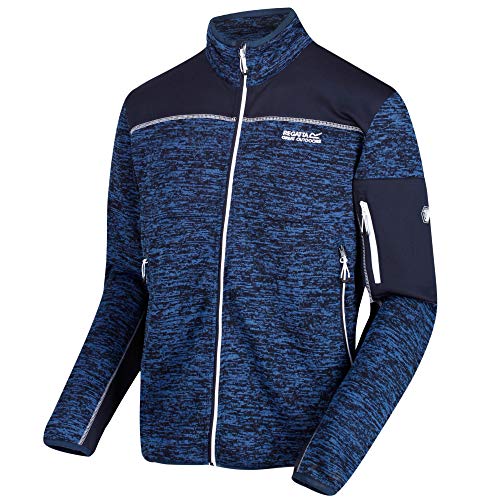
The marl effect is characterized by a unique color blending that creates a visually appealing heathered appearance in fabrics. This effect is particularly popular in knitwear and casual apparel, where a relaxed yet stylish look is desired. The term “marl” originates from the process of mixing different colored fibers before they are spun into yarn, resulting in a speckled or mottled appearance.
Understanding Cationic Dyeing
Cationic dyeing is a dyeing process specifically tailored for synthetic fibers, particularly polyester. This method utilizes cationic dyes, which are positively charged, allowing them to bond effectively with negatively charged polymer chains found in polyester fabrics. Cationic dyeing is recognized for its ability to produce vibrant and durable colors, making it an excellent choice for achieving the marl effect.
How the Marl Effect is Achieved in Polyester Fabrics
Achieving the marl effect in polyester fabrics through cationic dyeing involves several key steps:
1. Selection of Base Fibers
To create the marl effect, it is essential to start with a blend of different colored polyester fibers. This can be achieved by combining fibers of varying colors before spinning them into yarn.
2. Dyeing Process
Once the yarn is prepared, the cationic dyeing process begins. This typically involves:
- Pre-treatment of the fibers to ensure they are clean and free of contaminants.
- Applying the cationic dye in a dye bath at a controlled temperature, allowing the dye to bond effectively with the fibers.
- Post-treatment processes, such as washing and fixing the dye to enhance colorfastness.
3. Blending of Colors
To enhance the marl effect, a strategic blending of different colored dyes can be employed during the dyeing process. This method allows for the creation of unique color combinations and depths that contribute to the overall aesthetic.
Benefits of the Marl Effect in Textiles
The marl effect offers numerous benefits in textile design and application:
- Aesthetic Appeal: The heathered appearance of marl fabrics adds visual interest and depth, making garments more attractive.
- Versatility: Marl fabrics can be used in various applications, from casual wear to more sophisticated designs.
- Enhanced Comfort: The blend of colors can mask minor imperfections in the fabric, leading to a more comfortable wear experience.
Challenges and Considerations
While the marl effect presents several advantages, it also comes with challenges that must be addressed:
1. Color Consistency
Achieving consistent color results can be challenging, especially when blending multiple dyes. Variations in dye absorption can lead to unexpected outcomes.
2. Dye Compatibility
Not all cationic dyes are compatible with every type of polyester fabric. It is crucial to conduct thorough testing to ensure that the dyes selected will produce the desired effect without compromising fabric integrity.
3. Environmental Considerations
The environmental impact of dyeing processes, including water usage and chemical runoff, must be considered. Adopting sustainable practices is essential in the modern textile industry.
Tips for Achieving the Marl Effect
For those looking to create the marl effect in polyester fabrics through cationic dyeing, here are some practical tips:
1. Use High-Quality Dyes
Selecting high-quality cationic dyes will ensure better colorfastness and a more vibrant outcome. Research reputable dye suppliers and choose dyes known for their reliability.
2. Optimize Dyeing Conditions
Pay close attention to the temperature and pH levels during the dyeing process. These factors significantly impact dye uptake and color intensity.
3. Blend Fibers Strategically
Experiment with different ratios of colored fibers to achieve various marl effects. The right combination can create unique patterns and textures in the final product.
4. Consider Post-Dye Treatments
Utilizing post-dye treatments can enhance the durability of colors and improve overall fabric performance. This may include wash treatment or heat setting to fix the dye.
Frequently Asked Questions
A: Most types of polyester can be used, but those specifically designed for cationic dyeing yield the best results.
A: While cationic dyeing is ideal for polyester, the marl effect can also be achieved using other dyeing techniques with different fiber blends.
A: Use high-quality dyes and consider post-treatment processes that enhance colorfastness to maintain vibrancy after washing.
Conclusion
The marl effect in polyester fabrics through cationic dyeing is a dynamic and visually appealing technique that enhances the aesthetic quality of textiles. By understanding the processes involved and considering the various tips and challenges, textile manufacturers and designers can successfully incorporate this unique effect into their work. Whether for casual clothing or sophisticated designs, the marl effect opens up a world of creative possibilities in fabric dyeing.