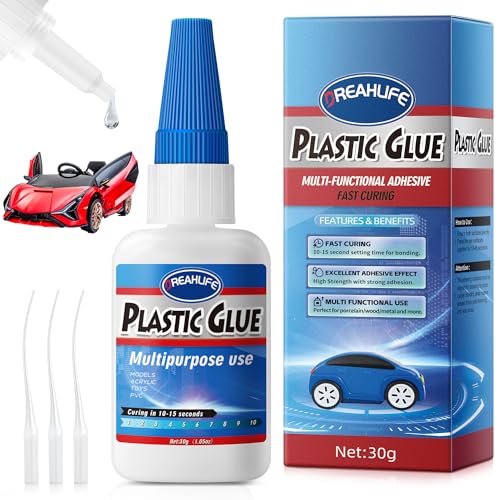
Nylons and super glue have proven to be a powerful combination in the world of adhesives. Whether you’re repairing a tear in your favorite nylon jacket, fixing a broken strap, or even crafting, understanding how to effectively use super glue on nylon can make all the difference. This article dives deep into the subject of nylons super glue, exploring its applications, benefits, and tips for successful use.
Table of Contents
- What is Nylon?
- What is Super Glue?
- How Does Super Glue Work on Nylon?
- Preparation and Application
- Advantages of Using Super Glue on Nylon
- Common Mistakes When Using Super Glue on Nylon
- FAQ
What is Nylon?
Nylon is a versatile synthetic polymer, primarily known for its strength and elasticity. It has been used in various applications, from textiles to industrial components. Its durability and resistance to abrasion make it a popular choice for outdoor gear, clothing, and various household items. However, nylon’s unique properties can also pose challenges when it comes to adhesion.
What is Super Glue?
Super glue, scientifically known as cyanoacrylate adhesive, is an instant adhesive known for its ability to bond quickly and effectively to various surfaces. It is commonly used in both household and industrial applications due to its strong hold and quick curing time. Super glue works best on materials that are smooth and non-porous, which can make bonding with nylon a bit tricky.
How Does Super Glue Work on Nylon?
When applying super glue to nylon, it’s essential to understand the chemical interactions involved. Super glue forms a strong bond by polymerizing in the presence of moisture. Nylon, being a synthetic polymer, can be challenging to bond effectively due to its smooth surface and the presence of various additives used in its manufacture.
Preparation and Application
To achieve the best results when using super glue on nylon, follow these steps:
Step 1: Clean the Surface
Ensure the nylon surface is clean and free of dust, oil, or other contaminants. Use isopropyl alcohol or a similar solvent to wipe down the area.
Step 2: Roughen the Surface
Gently sand the area you plan to bond. This will increase the surface area for the glue to adhere to, leading to a stronger bond.
Step 3: Apply the Super Glue
Apply a small amount of super glue to one surface. Remember that a little goes a long way with super glue.
Step 4: Press and Hold
Press the two surfaces together firmly and hold them in place for at least 10-30 seconds. For best results, allow the glue to cure undisturbed for several hours.
Advantages of Using Super Glue on Nylon
There are several benefits to using super glue on nylon:
- Fast Curing: Super glue sets quickly, allowing for rapid repairs.
- Strong Bond: When applied correctly, super glue can create a very strong bond on nylon surfaces.
- Versatile: Super glue can be used for a variety of nylon products, from clothing to equipment repairs.
Common Mistakes When Using Super Glue on Nylon
Even with the best intentions, mistakes can happen. Here are some common pitfalls to avoid:
- Not Cleaning the Surface: Failing to remove contaminants can drastically reduce the effectiveness of the bond.
- Using Too Much Glue: Overapplication can cause a weaker bond and may take longer to cure.
- Ignoring Cure Time: Not allowing adequate time for the glue to set can lead to a failed bond.
A: While super glue works well on many types of nylon, some specialty nylons with specific additives may require alternative adhesives.
A: Super glue typically sets within minutes, but for a full bond, it’s best to allow it to cure for several hours.
A: Yes, once fully cured, super glue is water-resistant, making it suitable for outdoor nylon applications.
Conclusion
Utilizing nylons super glue effectively can lead to successful repairs and creations. With its fast curing time and strong bonding capabilities, super glue is a valuable tool when working with nylon materials. By following the preparation and application tips outlined above, you can achieve a durable bond that withstands the test of time. Remember to avoid common mistakes, and you will find that super glue can be your go-to adhesive for all things nylon.