For a first sewing machine, shortlist a complete full-size household model with comfortable low-speed control, clear threading, useful feet, and a suitable buttonhole. A good first machine is one you can set up and use consistently, not necessarily the one with the most stitches. Choose a purchase that fits your actual project and support needs. Its purpose is to support an informed comparison of suitable equipment, not promise universal results.
How this guide helps you choose
A first purchase organized around learning, clothing repairs and a usable starter kit.
Options organized by use
| Option | Reason to compare | Practical selection note |
|---|---|---|
| Brother XM2701 | Mechanical starting point | Useful for comparing a small stitch menu, a threader and a one-step buttonhole without learning an LCD interface. |
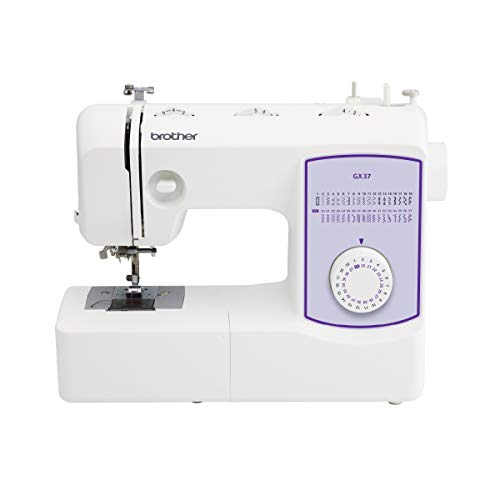
| Brother GX37 | Broader mechanical stitch menu | Compare when a specific utility or decorative stitch is missing from a simpler option; do not buy on count alone. |
| Brother CS7000X | Computerized sewing and quilting | Try the electronic controls and included quilting accessories if careful starts, pivots and small quilts are priorities. |
| Brother XR3774 | Mechanical quilting package | Consider the table and supplied feet as part of the cost; the table supports fabric rather than increasing throat space. |
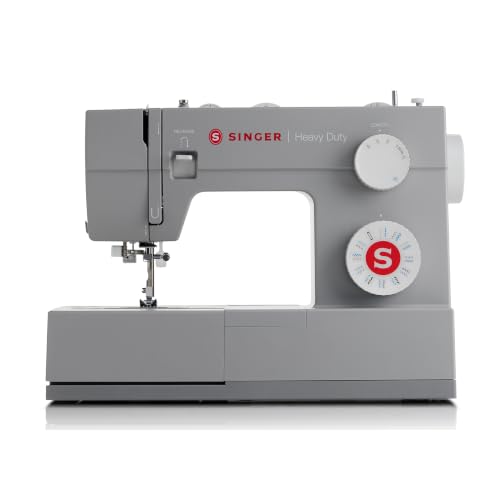
| Singer 4423 | Mechanical utility sewing | Compare the pedal response and real seam junctions. The Heavy Duty label should not substitute for a demonstration. |
| Singer 4452 | Accessory-focused household option | Its kit matters when you will use the extra feet. An unused bonus package does not make it the better learner’s machine. |
| Janome HD3000 | Dealer demonstration option | Use the dealer route to compare actual controls, support and material handling before choosing a machine remotely. |
Amazon boxes cover only the specifically verified listings above. Manufacturer and dealer options without a verified ASIN are discussed separately. Bundle contents, condition and availability need checking in the current offer.
Start with three projects rather than a brand name
Write down a stable woven practice project, one repair, and the garment or quilt you most want to make next. The practice project establishes basic control. The repair exposes thickness and access issues. The third item tells you which features are worth buying for the future.
Someone searching for a sewing machine for starters may be choosing between portable household models and very small mending devices. If learning garment construction is the aim, a full-size household category generally offers a clearer path through seams, zippers, hems, and buttonholes. A handheld repair tool serves a different task.
Compare the relevant equipment categories using the sewing machine buying guide.
Mechanical or computerized for a beginner?
Mechanical controls can make the selected operation easy to see and change. Computerized models can add workflow aids such as speed limiting or needle positioning, depending on the exact model. Neither category removes the need to thread correctly, use the right needle, and support the fabric.
Try the same marked curve on both categories. Start slowly, stop at a corner, turn the sample, and continue. A comfortable demonstration is stronger buying evidence than a claim that all beginners need one control style. Your hands, vision, available instruction, and willingness to learn the interface affect the choice.
For related sewing preparation and problem-solving, see the sewing techniques and troubleshooting.
Why a buttonhole and zipper demonstration matter
A beginner can outgrow a poor purchase through one ordinary shirt project. Test the buttonhole on interfaced fabric with the intended button. Then insert a sample zipper using the correct foot. These operations reveal setup and control requirements that a long straight seam misses.
A four-step buttonhole can be learned, but it takes more operator involvement. If several buttonholes appear in your planned projects, compare a one-step operation directly. Ask to complete the sample yourself rather than letting the salesperson perform every change. Confidence should come from an understandable process.
Explore accessory categories in our sewing machine parts and accessories; use the exact manufacturer manual for compatibility and maintenance.
Singer and Janome beginner choices need exact model checks
A search for a Singer sewing machine beginner option can lead to Simple, Heavy Duty, and computerized ranges. They should not be treated as one machine family. Check the exact controls and package. Similarly, a Janome sewing machine for beginners may be mechanical, computerized, dealer supplied, or an older used model.
Choose a specific model with a documented manual and a complete accessory set. Avoid paying extra for a large stitch total when your useful upgrades are a comfortable pedal, clearer lighting, better instruction, or a support surface. Brand reputation alone cannot determine whether a particular machine suits your first pattern.
Budget for the first complete sewing session
Allow for suitable needles, thread, spare correct bobbins, fabric, interfacing, marking tools, and a way to press seams. A machine budget that leaves nothing for the project can create frustration even when the machine itself is adequate.
Instruction and service also have value. Ask what a retailer demonstration includes and how problems are handled after purchase. For a used machine, include missing accessories and inspection costs. Compare complete working setups, then choose the one that makes it easiest to begin and finish your actual first project.
Five advantages and two limitations
Advantages
- Project-based selection keeps features relevant.
- A full-size household category supports ordinary construction operations.
- Comparing controls reveals personal comfort before purchase.
- A complete starter kit reduces immediate accessory uncertainty.
- A supported model provides a clearer route to instruction and service.
Limitations
- No single beginner choice is best for every fabric and learner.
- A cheap incomplete package may cost more after accessories and servicing.
Check the exact listing and documentation
Brother XM2701: No products found.
Brother GX37: Check Brother GX37 listing
Brother CS7000X: No products found.
Brother XR3774: No products found.
Singer 4423: Check Singer 4423 listing
Singer 4452: No products found.
Janome HD3000: No products found.
Frequently asked questions
What is the best starter sewing machine?
Choose a suitable complete model that you can thread and control comfortably. The shortlist here is organized by use, not a hands-on performance ranking.
Do beginners need a computerized machine?
No. Electronic controls can help some workflows, while mechanical controls suit others. Try the relevant operation on the exact model.
How many stitches are necessary?
There is no useful universal number. Confirm the seams, edge finishes and buttonhole needed for your projects.
Is a handheld machine enough to learn clothing construction?
It serves a limited repair category. Compare a full-size household machine for ordinary garment construction.
Should I buy new or used?
Compare complete cost and support. A used unit should be demonstrated and inspected, with correct controls and accessories.
Related Practical Textile guides
Explore sewing, embroidery, dyeing, printing and other fabric topics at Practical Textile.
Sources and research method
Manufacturer pages, product documentation and exact listing identities were checked on 2026-10-13. Feature-based recommendations are editorial judgments; they are not measured performance results. Availability, software requirements, packages and lifecycle can change.
- https://www.brother-usa.com/p/sewing/XM2701
- https://www.brother-usa.com/p/sewing/XR3774
- https://www.singer.com/products/singer-4423-heavy-duty-sewing-machine
- https://www.janome.com/product/hd-3000/
- https://www.brother-usa.com/p/sewing-embroidery/RGX37?Condition=New&pid=GX37
- https://www.brother-usa.com/p/sewing-embroidery/CS7000X
- https://www.singer.com/products/singer-heavy-duty-4452-sewing-machine