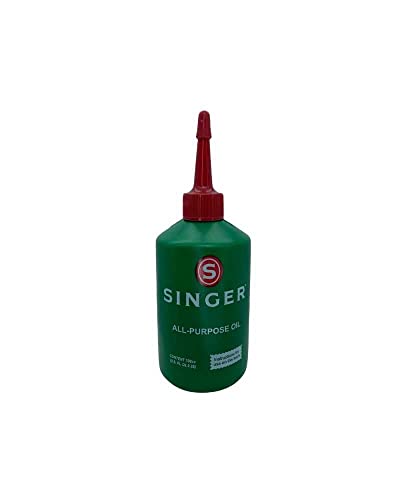

When it comes to maintaining your sewing machine, one of the most crucial steps is using the right sewing machine lubricating oil. Just like any other mechanical device, sewing machines require regular maintenance to ensure they run smoothly and efficiently. Proper lubrication not only extends the life of your machine but also enhances its performance, making your sewing experience more enjoyable. In this article, we’ll explore the importance of lubricating your sewing machine, how to choose the right oil, and the steps to effectively apply it.
Importance of Lubrication
Lubrication plays a vital role in maintaining the functionality of your sewing machine. Here are some reasons why regular lubrication is essential:
- Reduces Friction: Lubricating oil minimizes friction between moving parts, preventing overheating and excessive wear.
- Prevents Rust: Applying oil helps create a protective barrier against moisture, which can lead to rust and corrosion.
- Enhances Stitch Quality: A well-lubricated machine produces cleaner stitches, ensuring that your projects look professional.
Choosing the Right Oil
Not all oils are created equal, and using the wrong type can damage your sewing machine. Here’s how to make the right choice:
Types of Sewing Machine Oils
| Type of Oil | Best For | Notes |
|---|---|---|
| Mineral Oil | Most domestic sewing machines | Lightweight and readily available |
| Synthetic Oil | High-performance machines | Long-lasting and provides excellent lubrication |
| Specialty Oil | Embroidery machines or sergers | Formulated for specific machine types |
Considerations When Choosing Oil
When selecting sewing machine lubricating oil, keep the following factors in mind:
- Viscosity: Choose oil with the appropriate thickness. Too thick can cause sluggish movement, while too thin may not provide adequate protection.
- Compatibility: Ensure that the oil is compatible with your machine type and model. Some manufacturers provide specific recommendations.
- Brand Reputation: Opt for well-known brands that specialize in sewing machine care products.
How to Lubricate Your Sewing Machine
Lubricating your machine is a straightforward process, but it requires attention to detail. Follow these steps to ensure proper lubrication:
Step 1: Gather Your Supplies
Before you begin, gather the following items:
- Sewing machine lubricating oil
- Soft cloth or lint-free wipes
- Screwdriver (if necessary)
- Brush or vacuum cleaner (for dust removal)
Step 2: Prepare Your Machine
Always turn off your sewing machine and unplug it before starting any maintenance work. This ensures your safety and prevents accidental operation.
Step 3: Clean the Machine
Before applying oil, clean your sewing machine to remove dust and lint. Use a brush or a vacuum cleaner to remove debris from the feed dogs and the bobbin area. Wipe down the exterior with a soft cloth.
Step 4: Locate Lubrication Points
Refer to your sewing machine manual to identify lubrication points. Common areas include:
- Needle bar
- Bobbin case area
- Feed dogs
- Upper and lower tension assemblies
Step 5: Apply the Oil
Using a few drops of sewing machine oil, apply it to the identified lubrication points. Be cautious not to over-oil, as excess oil can attract dust and lint.
Step 6: Run the Machine
After lubrication, run your machine at a slow speed for a few minutes. This allows the oil to spread evenly across the moving parts. Check for any unusual noises or resistance.
Common Mistakes to Avoid
While lubricating your sewing machine is essential, there are common pitfalls to avoid:
- Neglecting the Manual: Always consult your manual for specific lubrication points and recommended oils.
- Over-Oiling: Too much oil can lead to buildup and attract dirt, causing more harm than good.
- Ignoring Regular Maintenance: Make lubrication a part of your regular maintenance routine to keep your machine in top shape.
A: It’s recommended to lubricate your sewing machine after every 8 hours of use or every few weeks, depending on usage frequency.
A: No, only use sewing machine lubricating oil or oils specifically recommended by the manufacturer for your machine type.
A: Signs include unusual noises, sluggish operation, or visible signs of rust or dirt near moving parts.
FAQ
A: Avoid using heavy oils, motor oils, or any household oils as they can damage your machine.
A: Yes, even new machines require initial lubrication to ensure optimal performance. Check the manual for specific recommendations.
In conclusion, proper maintenance of your sewing machine, particularly through regular lubrication, significantly enhances its longevity and performance. By understanding the importance of using the right sewing machine lubricating oil, choosing the appropriate type, and following the correct steps for application, you’ll ensure that your sewing machine remains a reliable companion for all your creative projects. If you’re looking to expand your sewing and embroidery skills, consider tools like carbon paper for pattern tracing or explore unique projects such as personalized tees and embroidered denim jackets. Happy sewing!