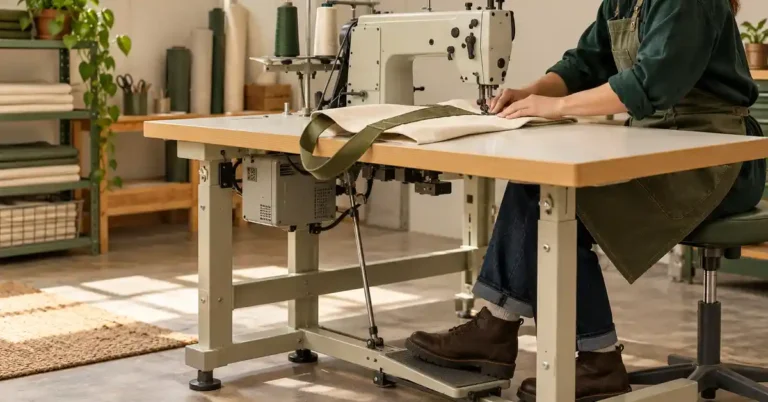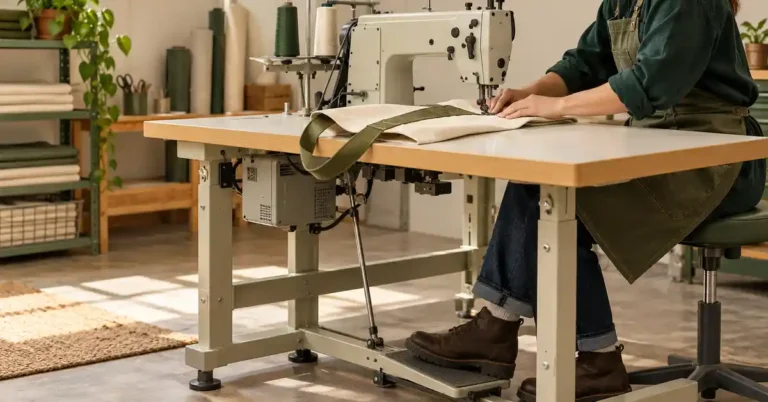
Sewing enthusiasts often encounter various terminologies and features that significantly enhance their crafting experience. One such feature is the free arm on a sewing machine. Understanding what a free arm is and how it can benefit your sewing projects can make a considerable difference in the final outcome. Whether you’re a beginner or a seasoned sewer, knowing the ins and outs of this feature can help streamline your sewing process and improve your results.
What is a Free Arm?
A free arm is a feature on many modern sewing machines that allows the user to sew in a circular fashion around tubular items. This design is especially useful when working with sleeves, pant legs, and other cylindrical fabrics. The standard flat bed of the sewing machine can be removed to expose the free arm, making it easier to manipulate the fabric and achieve a professional finish.
How It Works
The free arm operates by providing a narrow, cylindrical section of the sewing machine, which your fabric can wrap around. Instead of laying flat, your fabric can easily be guided around this arm, allowing for better access and control. This design also helps in maintaining the proper tension and alignment that is crucial for achieving quality stitches.
Benefits of a Free Arm
The free arm feature provides several benefits that can enhance your sewing experience:
- Improved Accessibility: The free arm enables better access to hard-to-reach areas, allowing you to sew cuffs and hems more efficiently.
- Versatility: With a free arm, you can work on a wider range of projects, from clothing to home decor items.
- Professional Finishing: The ability to sew in a circular motion helps achieve a cleaner, more polished finish on your garments.
- Time-Saving: The ease of use that comes with a free arm can significantly reduce the time spent on sewing tasks.
Examples of Projects Benefiting from a Free Arm
Some projects that particularly benefit from using a free arm include:
- Sewing sleeves on shirts and blouses
- Hemming pants and skirts
- Attaching elastic to waistbands
- Creating rounded edges on bags and accessories
How to Use a Free Arm
Using a free arm is relatively straightforward, but following the right steps ensures optimal results:
Step-by-Step Guide
- Remove the Flat Bed: Detach the flat bed attachment from your sewing machine, exposing the free arm.
- Prepare Your Fabric: Gather the fabric you wish to sew and position it around the free arm.
- Align the Fabric: Ensure the fabric is properly aligned and secured under the presser foot.
- Set Your Machine: Select the appropriate stitch type and length for your project.
- Sew: Begin sewing while gently guiding the fabric around the free arm.
Types of Sewing Machines with Free Arm
Not all sewing machines come equipped with a free arm feature. Understanding the types of machines that typically include this feature can guide your purchasing decisions:
| Type of Machine | Features | Best For |
|---|---|---|
| Mechanical Sewing Machines | Basic free arm, manual controls | Beginners and simple sewing tasks |
| Electronic Sewing Machines | Advanced features, including multiple stitch settings | Intermediate to advanced sewers |
| Embroidery Machines | Free arm with embroidery capabilities | Those focused on decorative projects |
| Serger Machines | Some models offer a free arm feature | Sewing with knits and stretchy fabrics |
Maintenance Tips for Free Arms
Proper maintenance of your sewing machine’s free arm is crucial for longevity and optimal performance. Here are some tips to keep it in top shape:
Regular Cleaning
Dust and lint can accumulate in the free arm area, affecting the machine’s performance. Regularly clean the area with a soft brush and a lint roller.
Oil Your Machine
Refer to your sewing machine manual for specific oiling instructions. Keeping the moving parts lubricated will help maintain smooth operation.
Check for Damage
Periodically inspect the free arm for any signs of wear and tear. Address any issues promptly to prevent further damage.
Common Issues and Solutions
Even with proper usage and maintenance, you may encounter some challenges while using a free arm. Here are common issues and their solutions:
Puckering Fabric
Puckering can occur if the fabric is not adequately supported while using the free arm. To fix this, ensure that the fabric is smoothly fed through the machine and consider using a stabilizer for lightweight fabrics.
Skipped Stitches
Skipped stitches can happen if the needle is dull or incorrectly inserted. Always replace needles regularly and ensure they are installed correctly.
Thread Bunching
If you experience thread bunching beneath your fabric, check the threading of the machine and ensure that the tension settings are properly adjusted.
A: Yes, while a free arm is not the primary tool for quilting, it can be helpful for smaller quilt projects or when working on quilted garments.
A: No, not all sewing machines come with a free arm feature. It’s essential to check the specifications before purchasing.
FAQ
A: Start with simple projects, like hemming a pair of pants or sewing a sleeve onto a shirt to familiarize yourself with the free arm’s capabilities.
A: Yes, many free arm machines have optional attachments like cuff guides and quilting feet that can enhance your sewing experience.
Conclusion
Understanding what a free arm on a sewing machine is and how to use it can significantly improve your sewing projects. This feature provides the flexibility and ease of sewing cylindrical items, leading to better finishes and professional results. Whether you’re just starting or looking to upgrade your sewing capabilities, investing in a sewing machine with a free arm can enhance your sewing journey. For those looking to explore different sewing and embroidery machines, consider checking out resources like Sturdy Lids Embroidery Machine That Makes Sewing Easy or Review: what embroidery machine should I buy. Happy sewing!