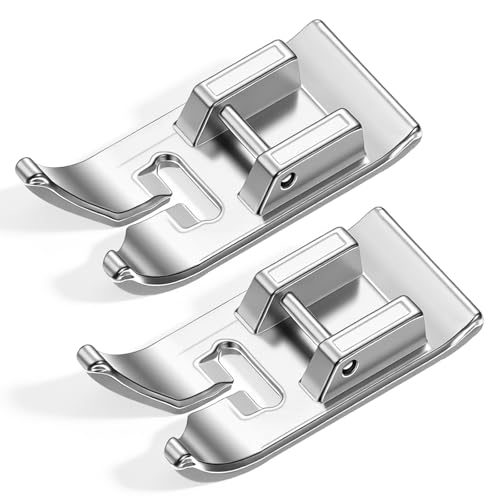
Sewing machines are incredible tools that empower crafters and seamstresses to bring their creative visions to life. One often overlooked component that plays a vital role in the performance of a sewing machine is the presser foot screw. This small but essential piece not only secures the presser foot but also ensures optimal tension and feed during the sewing process. Understanding the significance of the sewing machine presser foot screw can enhance your sewing experience and improve the quality of your finished projects.
Table of Contents
- What is a Presser Foot Screw?
- Importance of the Presser Foot Screw
- Types of Presser Foot Screws
- How to Replace a Presser Foot Screw
- Maintaining Your Presser Foot Screw
- Common Issues with Presser Foot Screws
- FAQ
What is a Presser Foot Screw?
The presser foot screw is a small screw located at the base of the presser foot on a sewing machine. It is responsible for attaching the presser foot to the machine, allowing it to lift and lower as needed during sewing. This screw is designed to fit specific presser foot models and can vary in size and shape depending on the sewing machine brand and model.
Importance of the Presser Foot Screw
The presser foot screw plays a vital role in sewing, affecting not just the stability of the presser foot but also the overall sewing experience. Here are some key reasons why this small component is so important:
Sewing Precision
A well-secured presser foot allows for precise stitching. If the presser foot is loose, it can lead to uneven stitches and fabric puckering, which can ruin the look of your project.
Fabric Handling
Different fabrics require different levels of pressure. A properly tightened presser foot screw ensures that the presser foot applies the right amount of pressure to the fabric, helping it feed smoothly through the machine.
Stitch Quality
The quality of your stitches heavily depends on the presser foot’s ability to stay in place. A loose screw can lead to skipped stitches or thread bunching, making it crucial to keep it secure.
Types of Presser Foot Screws
Understanding the various types of presser foot screws available can help you make informed decisions when replacing or upgrading your sewing machine components. Here are the most common types:
Standard Presser Foot Screw
This is the most common type of presser foot screw, typically found on most sewing machines. It is designed for general-purpose presser feet.
Snap-On Presser Foot Screw
Some modern sewing machines feature snap-on presser feet that do not require a traditional screw. Instead, these presser feet click into place, making it easier to switch between different feet.
Specialty Presser Foot Screws
Certain sewing machines may require specialty screws for specific presser feet, such as walking feet or quilting feet. Always consult your sewing machine manual to ensure you are using the correct screw.
How to Replace a Presser Foot Screw
Replacing a presser foot screw is a simple task that can make a significant difference in your sewing experience. Follow these steps to replace it safely:
Step 1: Gather Your Tools
You will need a screwdriver (usually a flathead or Phillips, depending on your machine) and a replacement screw if necessary.
Step 2: Remove the Presser Foot
Before you can replace the screw, you need to remove the presser foot. Raise the presser foot lever and gently pull the foot away from the machine.
Step 3: Unscrew the Old Screw
Using your screwdriver, carefully unscrew the old presser foot screw. Keep the old screw in a safe place in case you need it later.
Step 4: Install the New Screw
Align the new screw with the presser foot and the designated hole on the machine. Tighten the screw gently, ensuring it is secure but not overly tight, as this can damage the foot or machine.
Step 5: Reattach the Presser Foot
Once the new screw is in place, reattach the presser foot. Ensure it is correctly seated and can lift and lower as needed.
Maintaining Your Presser Foot Screw
Proper maintenance of your presser foot screw can prolong its lifespan and ensure your sewing machine operates efficiently. Here are some maintenance tips:
Regular Cleaning
Dust and lint can accumulate around the presser foot screw, affecting its performance. Regularly clean this area with a soft brush or cloth to keep it free of debris.
Check for Wear and Tear
Inspect the screw for any signs of wear or damage. If the screw is stripped or corroded, replace it immediately to avoid complications during sewing.
Use the Right Tools
Always use the correct screwdriver for your presser foot screw to prevent stripping the head and make future replacements easier.
Common Issues with Presser Foot Screws
Despite its small size, the presser foot screw can experience several issues that may affect your sewing. Here are some common problems and their solutions:
Loose Presser Foot
If your presser foot is wobbling or feels loose, it may be time to tighten the screw. A loose presser foot can lead to uneven stitching and fabric handling issues.
Stripped Screw
If the screw head is stripped, it may be difficult to remove or tighten. In this case, you may need to use pliers to grip the screw and turn it carefully. If it is completely unusable, replace it with a new screw.
Incorrect Fit
If you find that your presser foot does not align properly with the screw, it may be the wrong model or type. Always check your sewing machine manual to ensure compatibility.
A: If you have difficulty removing the presser foot or if the screw shows signs of wear, it may be too tight. The screw should be snug but not overly tight.
A: No, it is important to use the specific screw designed for your sewing machine to ensure proper function and avoid damage.
A: You can purchase replacement screws from sewing machine retailers or online. Make sure to select the correct screw for your specific machine model.
FAQ
Here are some additional frequently asked questions regarding presser foot screws:
A: Yes, it is common for screws to become loose with regular use. It’s a good practice to check the tightness regularly, especially before starting a new project.
A: You can typically find replacement screws at fabric stores, sewing machine retailers, or online marketplaces.
A: Yes, a damaged or stripped screw can lead to poor stitch quality, skipped stitches, or even damage to the presser foot or sewing machine.
In conclusion, the sewing machine presser foot screw may be small, but it plays a significant role in your sewing experience. By understanding its importance, types, maintenance, and common issues, you can enhance your sewing skills and produce high-quality projects. For more information on sewing and embroidery, check out related articles such as our review of a Charming Wedding Dress with Colorful Embroidery, or explore Top eBay Embroidery Machine Designs Worth Every Stitch! Additionally, if you’re interested in crafting, don’t miss our guide on the Punch Needle Hoop: Perfect Tool for Crafty Hands! and discover the Exquisite Craftsmanship: A Must-See Japanese Silk Art. Finally, for beginners, check out our Naturally Easy & Fun: Perfect Starter Embroidery Kit! to kickstart your embroidery journey!