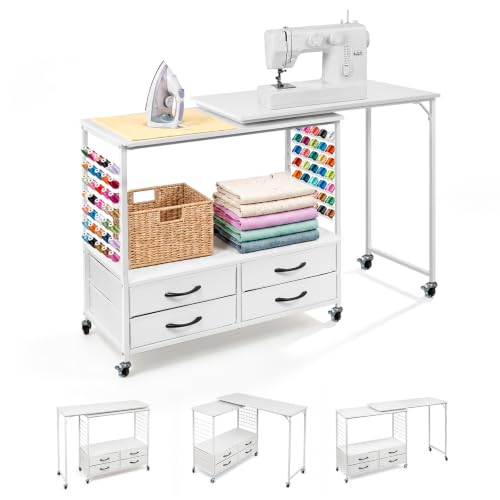
Sewing Machine Table Legs
On this page
Sewing machine table legs play a crucial role in the functionality and aesthetics of your sewing space. Whether you are a seasoned seamstress or a beginner embarking on your sewing journey, the right table legs can enhance your comfort and productivity. The importance of having a stable and reliable sewing machine table cannot be overstated, as it serves as the foundation for your sewing projects. In this article, we will explore various aspects of sewing machine table legs, including their types, benefits, and how to choose the right ones for your sewing setup.
Table of Contents
- Types of Sewing Machine Table Legs
- Benefits of Choosing the Right Legs
- How to Choose Sewing Machine Table Legs
- Maintenance and Care
- FAQ
Types of Sewing Machine Table Legs
When selecting sewing machine table legs, it’s essential to consider the different types available on the market. Here are some common types:
1. Fixed Legs
Fixed legs are the most traditional style used in sewing machine tables. They offer a stable and sturdy base, which is perfect for heavy-duty sewing machines. These legs provide less flexibility in height adjustment, but they are generally easy to install and maintain.
2. Adjustable Legs
Adjustable legs allow you to customize the height of your sewing table according to your preference. This feature is particularly beneficial for users who may need to switch between sitting and standing positions while sewing. The flexibility in height can also accommodate different sewing machines and user heights.
3. Folding Legs
Folding legs are an excellent option for those with limited space. They can be easily collapsed and stored away when not in use. This type of leg is ideal for portable sewing machines or for setting up a temporary sewing station.
4. Decorative Legs
For those who want to add a touch of style to their sewing space, decorative legs can be a perfect choice. These legs come in various designs, materials, and finishes, allowing you to match them with your interior décor while providing the necessary support for your sewing machine.
Benefits of Choosing the Right Legs
Selecting the appropriate sewing machine table legs can have numerous benefits that enhance your sewing experience.
1. Stability
Stability is paramount when working with a sewing machine. The right table legs will minimize vibrations and movements, allowing for more precise stitching and better results.
2. Comfort
Having adjustable legs can significantly improve comfort, especially during long sewing sessions. You can tailor the height to suit your body, reducing strain on your back and neck.
3. Aesthetic Appeal
Table legs contribute to the overall look of your sewing space. Choosing legs that complement your décor can make your sewing area more inviting and enjoyable.
4. Space Efficiency
Folding or adjustable legs can help maximize your workspace, making it easier to store your sewing table when not in use or adapting it to different environments.
How to Choose Sewing Machine Table Legs
Choosing the right sewing machine table legs involves several considerations to ensure you make the best choice for your needs.
1. Assess Your Sewing Machine’s Weight
Understanding the weight of your sewing machine is crucial when selecting table legs. Heavier machines require sturdier legs to support them adequately.
2. Consider Your Space
Evaluate the available space for your sewing setup. If you have limited room, folding or adjustable legs might be ideal. If you have a dedicated sewing area, fixed or decorative legs may work well.
3. Determine Your Height Preference
Consider your height and comfort when selecting table legs. If you prefer to sew standing up or have a specific sitting height, look for adjustable options.
4. Match Your Decor
Choose legs that align with your design aesthetic. Whether you prefer modern, rustic, or classic styles, there are options available to suit your taste.
5. Budget Considerations
While it’s tempting to go for the most stylish option, it’s essential to balance aesthetics with functionality within your budget. High-quality legs may be more expensive but can offer better stability and longevity.
Maintenance and Care
Proper maintenance of your sewing machine table legs is essential to ensure their longevity and functionality. Here are some tips for keeping them in good condition:
1. Regular Cleaning
Dust and debris can accumulate on the table legs, affecting their stability. Regularly wipe down the legs with a damp cloth and mild detergent to keep them clean.
2. Check for Stability
Periodically check the tightness of screws and bolts to ensure the legs remain stable. Loose connections can lead to wobbling or even accidents while sewing.
3. Inspect for Wear and Tear
Examine the legs for any signs of damage or wear, such as cracks or rust. Address any issues immediately to maintain safety and stability.
4. Store Properly
If you have folding legs, ensure they are stored in a dry place to prevent moisture damage. For fixed legs, ensure the area around the sewing table is free from obstacles to avoid accidental bumps.
A: Not all table legs are suitable for sewing machines. It’s important to choose legs that provide adequate support and stability for your specific sewing machine model.
A: Adjustable legs typically have a mechanism that allows you to change their height. Look for knobs or levers that indicate adjustability.
A: Decorative legs can be sturdy, but it’s essential to check their specifications and weight limits before purchasing to ensure they can support your machine.
A: Regular maintenance should be conducted at least once a month, or more frequently if you use your sewing machine daily.
Conclusion
Choosing the right sewing machine table legs is an important aspect of creating a functional and enjoyable sewing environment. By understanding the types of legs available, their benefits, and how to select the best option for your needs, you can enhance both the aesthetics and functionality of your sewing space. Regular maintenance will ensure your table legs remain in good condition, providing the stability and support you need for your sewing projects. For more insights and resources, check out our recommendations on Best Embroidery Machine Books for Beginners and Experts or explore Hidden Gems in These Embroidery Design Books. With the right setup, you can sew with confidence and creativity!