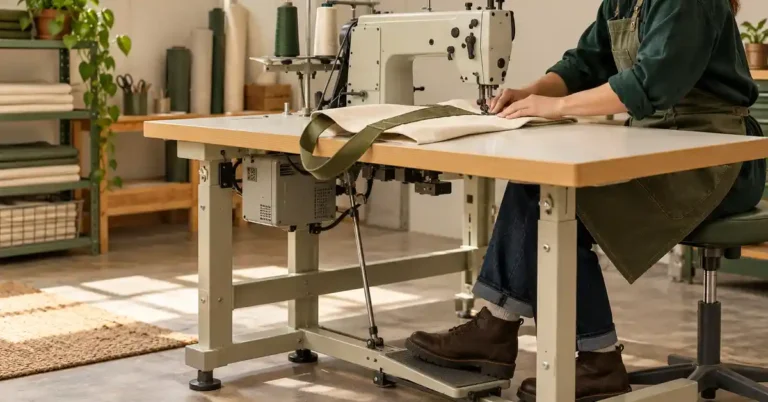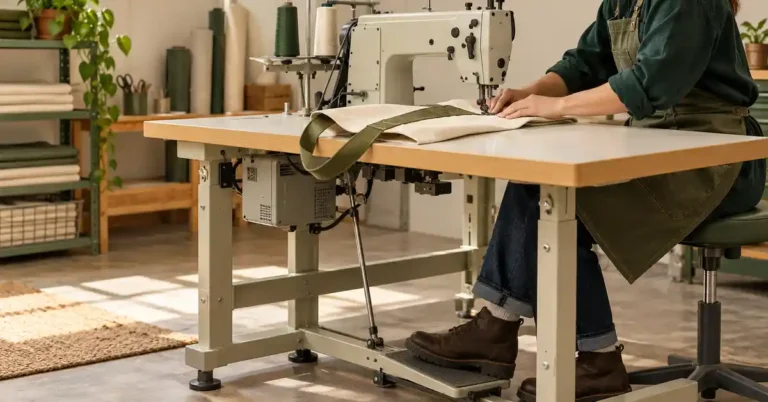
Sewing machines are vital tools for both amateur crafters and seasoned professionals in the world of fabric and design. Just like any other mechanical device, they require regular maintenance and occasional tune-ups to function optimally. However, many sewing enthusiasts often wonder about the sewing machine tune up cost and what it entails. Understanding the costs associated with maintaining your machine can help you budget appropriately and ensure your sewing projects never come to a halt.
What is a Sewing Machine Tune-Up?
A sewing machine tune-up is a comprehensive service that ensures your machine operates smoothly and efficiently. This process typically includes cleaning, lubrication, adjustment of tension, and inspection of parts for wear and tear. Depending on the model and age of the machine, a tune-up might also involve replacing certain components.
Why You Need a Tune-Up
Regular tune-ups are crucial for several reasons:
- They help maintain the longevity of your sewing machine.
- They prevent minor issues from escalating into major repairs.
- They can improve the quality of your stitching.
- They ensure all parts are functioning correctly and safely.
Cost of a Sewing Machine Tune-Up
The cost of a sewing machine tune-up can vary widely based on several factors, including the type of machine, the complexity of the service, and the technician’s rates. On average, you can expect to pay anywhere from $50 to $150 for a standard tune-up.
| Type of Service | Average Cost |
|---|---|
| Basic Tune-Up | $50 – $75 |
| Comprehensive Tune-Up | $100 – $150 |
| Specific Repairs | $25 – $100 (depending on the part) |
Factors Affecting Tune-Up Cost
Several factors can influence the overall cost of your sewing machine tune-up:
Machine Type
The type of sewing machine you own can significantly impact the cost. For instance, a basic mechanical machine will generally cost less to tune up compared to a high-end computerized model.
Service Provider
The technician’s experience and the service provider’s reputation can also affect pricing. Specialized shops may charge more for their expertise.
Extent of Service Required
If your machine requires extensive repairs or parts replacement, the cost will increase accordingly. A basic tune-up will be less expensive than one that involves significant repairs.
DIY vs. Professional Tune-Up
When considering a tune-up, you might wonder whether to tackle it yourself or hire a professional. Here are some points to consider:
DIY Tune-Up
For those who are mechanically inclined, a DIY tune-up can save money. Basic maintenance tasks such as cleaning, oiling, and adjusting tension can be done at home. However, you need to have the right tools and knowledge.
Professional Tune-Up
For more complex issues or if you’re not comfortable with repairing your machine, seeking professional help is advisable. A technician can identify problems you might overlook and ensure your machine is in optimal condition.
Maintaining Your Sewing Machine
Proper maintenance can minimize the need for frequent tune-ups. Here are some essential maintenance tips:
- Regularly clean your machine, especially around the bobbin and feed dogs.
- Oil your machine according to the manufacturer’s instructions.
- Change the needle regularly; a dull needle can cause sewing issues.
- Store your machine in a dust-free environment.
FAQ
A: It’s recommended to have your sewing machine tuned up at least once a year, or more frequently if you sew regularly.
A: Yes, basic maintenance can be done at home, but for more complex issues or repairs, it’s advisable to consult a professional.
A: Look for local sewing machine shops with good reviews. Ask fellow sewing enthusiasts for recommendations as well.
In conclusion, understanding the sewing machine tune up cost and the importance of regular maintenance can help you keep your machine in top shape. Whether you choose to perform maintenance yourself or hire a professional, the investment in care will pay off in the quality of your sewing projects. Remember, a well-maintained machine not only enhances your sewing experience but also ensures safety and efficiency in your crafting endeavors.
For those looking for specialized machines, consider checking out our reviews on embroidery machines for hats, the best embroidery machines of 2026, or explore embroidery machine leasing options. If you’re a beginner, you might find our guide to the best affordable sewing machines for beginner clothes-making particularly helpful. Master crafting with the Bernina 810 Embroidery Machine and elevate your sewing projects to new heights!