When it comes to sewing, mastering the use of a sewing machine with a zipper foot can elevate your projects from simple to sophisticated. Whether you’re crafting garments or home decor, the ability to sew zippers with precision opens up a world of creative possibilities. Zippers are essential for many sewing projects, and using the right foot can make the task not only easier but also more enjoyable. In this article, we will explore everything you need to know about using a sewing machine with a zipper foot, including techniques, tips, and common questions.
Table of Contents
- What is a Zipper Foot?
- Types of Zipper Feet
- How to Use a Zipper Foot
- Common Sewing Tips with Zipper Foot
- Troubleshooting Zipper Issues
- Frequently Asked Questions
What is a Zipper Foot?
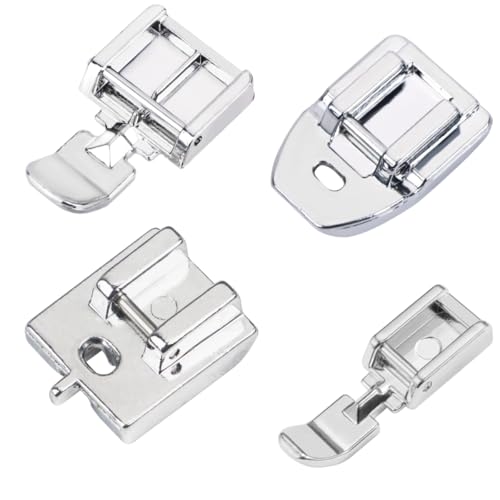
A zipper foot is a specialized presser foot designed for sewing zippers, piping, and other close-to-edge applications. Unlike a standard presser foot, which is often too wide to allow for close sewing, a zipper foot is narrow and adjustable, enabling you to sew on either side of the zipper teeth. This precision is crucial for achieving a clean and professional finish on your projects.
Types of Zipper Feet
There are several types of zipper feet available, each designed to accommodate different types of zippers and sewing techniques. Understanding these can help you choose the right foot for your sewing project.
Standard Zipper Foot
The standard zipper foot is often included with many sewing machines. It features a narrow design that allows you to sew close to both sides of the zipper. This foot is versatile and can be used for various zipper types, including centered and lapped zippers.
Invisible Zipper Foot
The invisible zipper foot is designed specifically for sewing invisible zippers, which are hidden within the fabric. This foot allows you to sew the zipper in such a way that it becomes nearly invisible, providing a clean and professional look to your garments.
Adjustable Zipper Foot
An adjustable zipper foot can be moved to the left or right, allowing for greater flexibility when sewing zippers in different positions. This type is beneficial when working on various sewing projects that require different zipper placements.
How to Use a Zipper Foot
Using a zipper foot may seem challenging at first, but with practice, you’ll find it a valuable tool in your sewing arsenal. Here’s a step-by-step guide on how to use a zipper foot effectively:
Step 1: Preparing the Zipper
Before you start sewing, prepare your fabric and zipper. Cut your fabric pieces and pin the zipper in place where you want it to be inserted. Make sure the zipper is aligned correctly with the fabric edges.
Step 2: Attaching the Zipper Foot
Remove the standard presser foot from your sewing machine and attach the zipper foot. Make sure it is securely in place according to your machine’s instructions.
Step 3: Positioning the Fabric and Zipper
Position the fabric under the foot, ensuring the zipper teeth are aligned with the center of the foot. Depending on the type of zipper foot you are using, you may need to adjust the foot to the left or right to ensure you’re sewing close to the zipper teeth.
Step 4: Sewing the Zipper
Lower the presser foot and begin sewing along the zipper’s edge. Take your time and sew slowly to ensure accuracy. If you’re using an invisible zipper foot, be sure to follow the instructions specific to that foot, as it may require a different sewing technique.
Common Sewing Tips with Zipper Foot
Mastering the use of a zipper foot can greatly enhance your sewing projects. Here are some practical tips to keep in mind:
Choosing the Right Zipper
Selecting the right type of zipper for your project is crucial. Consider the weight and type of fabric you are using. For lightweight fabrics, opt for nylon zippers, while heavier fabrics may require metal zippers for durability.
Practicing on Scrap Fabric
Before sewing on your final project, practice on a scrap piece of fabric. This allows you to get accustomed to the zipper foot and make adjustments as needed.
Using a Tailor’s Chalk
Mark the placement of your zipper with tailor’s chalk to ensure accuracy. This will help you align the zipper correctly and achieve a professional finish.
Troubleshooting Zipper Issues
Even experienced sewists can encounter challenges when using a zipper foot. Here are some common issues and how to resolve them:
Problem: Zipper Doesn’t Move Smoothly
If your zipper is getting stuck or doesn’t move smoothly, it may be due to fabric getting caught in the zipper teeth. Ensure the fabric is not too thick or bulky at the zipper area. If necessary, trim excess fabric or use a zipper with a longer tape.
Problem: Uneven Stitching
If your stitching is uneven, check that the zipper foot is securely attached and aligned properly. Sewing too quickly can also lead to uneven stitches, so take your time.
Problem: Sewing Machine Skipping Stitches
Skipped stitches can be caused by several factors, including a dull needle or incorrect thread tension. Make sure to use a sharp needle appropriate for your fabric type and adjust the tension as needed.
A: While it is possible to use a standard presser foot, a zipper foot allows for closer stitching to the zipper teeth, resulting in a more professional finish.
A: Consider the type of fabric and the weight of the zipper. For lightweight fabrics, choose nylon, and for heavier fabrics, opt for metal zippers.
A: You can purchase a universal zipper foot compatible with most sewing machines or look for a specific foot designed for your machine model.
Frequently Asked Questions
Here are some additional questions that may arise regarding the use of a sewing machine with a zipper foot:
A: Yes, a zipper foot can also be used for sewing piping, as its design allows for close stitching along the edge.
A: If you frequently work with invisible zippers, investing in an invisible zipper foot can make the process easier and ensure a cleaner finish.
A: Regularly remove any lint or fabric debris from the foot using a soft brush or cloth. Store it in a secure place to prevent damage.
Using a sewing machine with a zipper foot can transform your sewing experience, making it easier to create beautifully finished projects. Whether you are a beginner or an experienced sewist, mastering this tool can enhance your skills and open up new creative avenues. Don’t forget to explore other sewing technologies, such as a Great Beginner-Friendly Embroidery Machine! or check out the Top Picks for the Best Embroidery Sewing Machine to expand your capabilities.
In conclusion, a zipper foot is an essential tool for anyone looking to sew zippers with precision and ease. By understanding the different types available, practicing your techniques, and troubleshooting common issues, you can enhance your sewing projects significantly. Remember, the journey to becoming a skilled sewist is filled with learning opportunities, so keep experimenting and enjoying the process!
For those interested in embroidery, you may also want to read our Review: happy japan embroidery machine price or explore the Review: pr1x embroidery machine. Let your creativity flow with the right tools, like quality embroidery thread to inspire your next masterpiece!