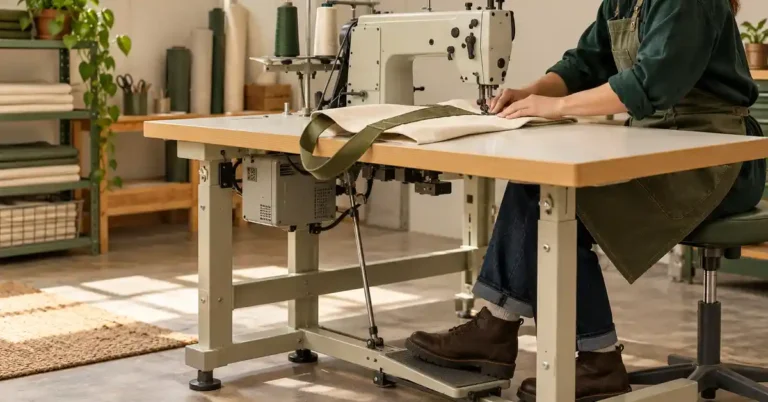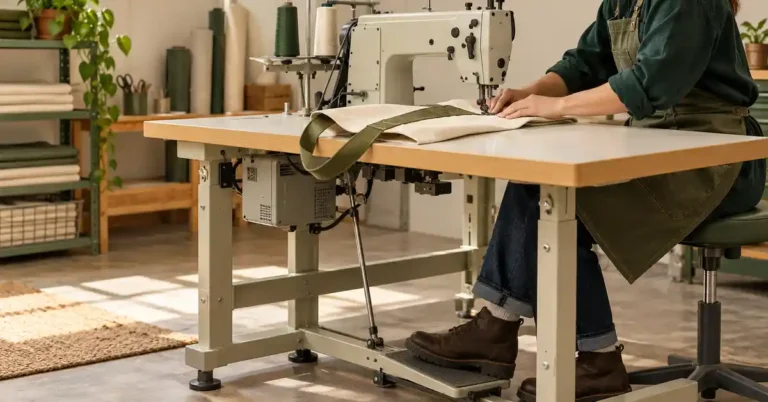
Sewing vinyl with a sewing machine can open up a world of creative possibilities. Whether you’re crafting bags, clothing, or home decor, vinyl offers a unique texture and durability that can enhance your projects. However, working with this material requires a different approach than traditional fabrics. In this guide, we’ll explore tips and techniques for sewing vinyl successfully, ensuring that your projects turn out beautifully.
Understanding Vinyl
Vinyl is a synthetic material made from polyvinyl chloride (PVC). It is known for its durability, waterproof properties, and ease of cleaning. Because of these qualities, vinyl is commonly used in various applications, from upholstery to crafting. However, its non-woven texture can pose challenges when sewing, making it essential to understand the material’s properties before diving into a project.
Types of Vinyl
Before starting your sewing project, it’s important to familiarize yourself with the different types of vinyl available. Each type offers unique characteristics that may affect your sewing approach.
| Type of Vinyl | Characteristics | Common Uses |
|---|---|---|
| Standard Vinyl | Durable, easy to clean, available in various colors | Bags, tablecloths, clothing |
| Marine Vinyl | Water-resistant, UV-resistant, heavy-duty | Boating upholstery, outdoor furniture |
| Faux Leather | Soft texture, resembles real leather | Clothing, accessories, upholstery |
| Vinyl Coated Fabric | Fabric coated with a layer of vinyl for durability | Outdoor gear, bags, aprons |
Essential Tools and Materials
To successfully sew vinyl, you will need specific tools and materials designed for this type of work. Here’s a list of essentials:
- Vinyl fabric
- Walking foot or Teflon foot for your sewing machine
- Ballpoint or special vinyl needles
- Heavy-duty thread
- Scissors or rotary cutter
- Cutting mat
- Clips instead of pins to hold pieces together
Preparing Your Sewing Machine
Before sewing vinyl, you must prepare your sewing machine properly. Follow these steps to ensure smooth sewing:
- Install a walking foot or Teflon foot. This type of foot allows the vinyl to glide smoothly under the needle, preventing sticking and bunching.
- Replace the standard needle with a ballpoint or vinyl needle. These needles are designed to penetrate the vinyl without causing holes or damage.
- Use heavy-duty thread, which will provide the strength needed for your seams.
- Adjust your stitch length to a longer setting (3.0 to 4.0), as shorter stitches can cause the vinyl to perforate and tear.
Sewing Techniques for Vinyl
Sewing vinyl requires different techniques than traditional fabrics. Here are some effective methods to help you achieve beautiful results:
Using Clips Instead of Pins
Pins can leave holes in vinyl, so it’s best to use clips to hold your pieces together. These clips can grip thicker layers without damaging the material.
Stitching Techniques
When sewing seams, consider using a straight stitch or a zigzag stitch. A straight stitch provides a clean finish, while a zigzag stitch adds flexibility to the seams. Ensure that you sew slowly to maintain control over the material.
Seam Finishing
To prevent fraying and enhance durability, finish seams with a serger or a zigzag stitch. This step is especially important for garments or items that may undergo stress.
Troubleshooting Common Issues
Even with the right tools and techniques, you may encounter some common issues when sewing vinyl. Here’s how to address them:
Puckering
If you notice puckering in your seams, it may be due to incorrect tension or a too-short stitch length. Adjust the tension settings on your sewing machine and try a longer stitch length.
Skipped Stitches
Skipped stitches can occur if the needle is dull or not suitable for vinyl. Replace the needle with a new vinyl or ballpoint needle and ensure it is properly installed.
Sticking to the Foot
If the vinyl is sticking to the presser foot, switch to a Teflon foot. This will allow for smoother movement as you sew.
Cleaning and Maintenance
Taking care of your vinyl projects is as important as sewing them. Here are some cleaning and maintenance tips:
Cleaning Vinyl
Most vinyl can be wiped clean with a damp cloth. For tougher stains, use a mild soap solution, but avoid bleach and harsh chemicals that can damage the material.
Storing Vinyl Projects
Store finished projects in a cool, dry place away from direct sunlight to prevent fading and deterioration. Avoid folding vinyl; instead, roll it up to prevent creasing.
A: Yes, but be sure to use the appropriate needle, foot, and thread to handle the thicker material properly.
A: Use heavy-duty or polyester thread to ensure strong seams that can withstand stress and wear.
A: No, vinyl does not need to be pre-washed like traditional fabrics. Just make sure it is clean and free of dust or debris before cutting and sewing.
Frequently Asked Questions
A: Yes, you can embroider on vinyl. Just make sure to use the correct stabilizer and needle to avoid damaging the material. For more information on incorporating embroidery, check out Naturally Beautiful Embroidery & Beads Enhance Any Fabric.
A: Any sewing machine can work with vinyl if equipped with the right foot and needle. However, heavy-duty or industrial sewing machines are better suited for larger projects or thicker layers of vinyl.
A: If a tear occurs, you can patch it with a small piece of vinyl and sew over it. Ensure the patch is secured well to maintain the integrity of your project.
In conclusion, sewing vinyl with a sewing machine can be an enjoyable and rewarding experience. With the right tools, techniques, and a little practice, you can create stunning projects that showcase the unique qualities of vinyl. Remember to take your time, troubleshoot any issues, and enjoy the creative process. For more insights into sewing and embroidery, consider exploring related topics like the Tajima 8 Head Embroidery Machine Price: Is It Worth It? or discover Top Embroidery Shops in Salt Lake City, Utah. Happy sewing!