You’ve been watching embroidery videos for months. The idea of stitching your own designs is addicting. But new machines cost a small fortune. So you start searching for used Brother embroidery machines for sale. The problem? You don’t know which model fits your skills or which ones hold up over time. A few bad choices online can leave you with a broken machine and wasted cash.

Brother machines are the most common on the secondhand market. They’re reliable, parts are easy to find, and many models share the same accessories. The key is picking a machine that matches your space and project size. Combo sewing/embroidery units let you do both. Dedicated embroidery machines stitch faster but can’t sew. Your choice depends on whether you plan to alter clothes, make gifts, or run a small business.
We picked five Brother machines that regularly appear on auction sites and refurbished listings. Each one serves a different buyer: beginners, home crafters, and serious stitchers. We’ll explain what to look for when buying used, common trouble spots, and which model gives you the most value for your money. Check current prices on Amazon to compare new vs. used deals.
Here is a quick comparison of the key specs that matter when buying used.
| Features | Brother SE700 | SE700 Bundle | Brother PE900 | Brother SE2000 | Brother PE545 |
|---|---|---|---|---|---|
| Embroidery field | 4×4 inches | 4×4 inches | 5×7 inches | 5×7 inches | 4×4 inches |
| Built-in designs | 135 | 135 + 500 card | 193 | 190+ | 135 |
| Touchscreen | 3.7 inch color | 3.7 inch color | None listed | None listed | 3.7 inch color |
| Wireless | WLAN + USB | WLAN + USB | WLAN + USB | WLAN + USB | WLAN + USB |
| Best for | Beginners, combo | Starter bundle | Dedicated embroidery | Large projects, combo | Compact embroidery |
Brother SE700 Start
Brother
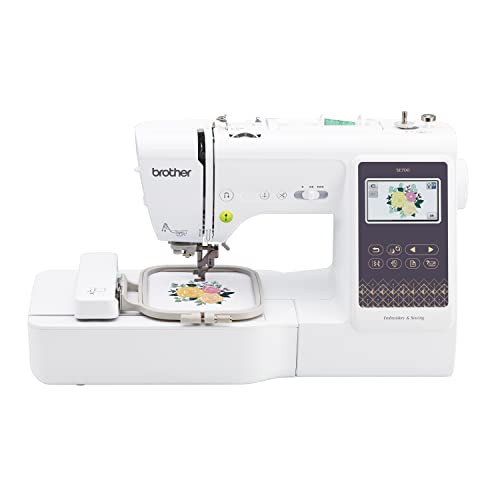
Brother SE700 Sewing and Embroidery Machine, Wireless…
- Sewing and Embroidery in One: The SE700 Brother sewing and embroidery machine is the ideal machine to start your sewing and embroi…
- Wireless Lan Enabled: Transmit embroidery files from your PC to your embroidery sewing machine via the free downloadable software…
- Artspira Mobile App for Customization: Make custom embroidery patterns by drawing on your mobile device, or download patterns from…
The SE700 is the machine most beginners buy new, and it shows up used often. It’s a combo unit: you can sew buttonholes, stitch hems, and then switch to embroidery without changing machines. If you’re learning and want one device to do both, this is your starting point.
The 4×4 hoop limits you to small designs. That’s fine for monogramming towels, stitching patches, or adding a name to a shirt. You won’t embroider a full sweatshirt back in one go. But the wireless LAN lets you send designs from your phone via the Artspira app. No messing with USB sticks every time.
Used SE700s often come with missing feet or cracked hoops. Check that the embroidery arm is included – people lose those. The touchscreen is bright, but older models may have scratches. Test the needle up/down function before buying. It’s not a fast machine, but for occasional use it’s reliable.
- 135 built-in embroidery designs plus 103 sewing stitches
- Wireless transfer from PC or mobile via Artspira app
- Includes 8 sewing feet, embroidery foot, and 4×4 hoop
- 3.7 inch color touchscreen for editing and preview
- Works with standard Brother accessories and hoops
Best for: A hobbyist who wants to sew and embroider on a budget, starting with small projects.
Brother SE700 Bundle

Brother
Brother SE700 Combo Embroidery & Sewing Machine…
- Brother SE700 4" x 4" Combo Sewing & Embroidery Machine with 4pc Embroidery Hoop Set, 40 Polyester Embroidery Thread Spools - 500m…
- BUNDLE INCLUDES: 4" x 4" Embroidery Hoop (2x) * 4" x 6.75" Embroidery Hoop * 1" x 2.5" Embroidery Hoop * 40 Polyester Embroidery T…
- BUNDLE INCLUDES: Zigzag foot “J” (on machine) * Monogramming foot “N” * Overcasting foot “G” * Zipper foot “I” * Blind stitch foot…
This is the same SE700 machine wrapped with extra accessories. You get four hoops (including a larger 4×6.75 inch option), 40 thread spools, a design card with 500+ patterns, and basic tools. It’s a complete starter package that makes the used search easier because you don’t have to hunt down each part.
The bundle solves a real headache: finding compatible hoops for used machines. Brother hoops break and get lost. With this bundle you have spares and a bigger hoop for medium designs. The thread set includes 40 colors, so you won’t need to buy thread right away. That’s about $60 worth of supplies alone.
Downsides: The machine itself has the same 4×4 maximum embroidery area. The design card is a nice extra, but the designs are basic. And the bundle is sold as new – you’ll rarely find this exact kit used. If you spot a used SE700, you can replicate this bundle by buying the extras separately for around $80. Check Amazon for current bundle price vs. machine alone.
- Includes 4 embroidery hoops: two 4×4, one 4×6.75, one 1×2.5
- 40 polyester thread spools, 500 meters each
- 500 Sofontsy design cards (SVGs, JPGs, commercial use)
- Full accessory bag with scissors, seam ripper, bobbins
- Same machine specs as the standard SE700
Best for: Someone buying used who wants a near-complete kit without sourcing parts one by one.
Brother PE900 Embroidery
Brother
Brother PE900 Wireless Embroidery Machine with WLAN
- ARTSPIRA MOBILE APP: Access 50 free embroidery designs, make custom embroidery patterns by drawing on your mobile device, or downl…
- WIRELESS LAN ENABLED: Transmit embroidery files from your PC to your embroidery machine via the free downloadable software Design…
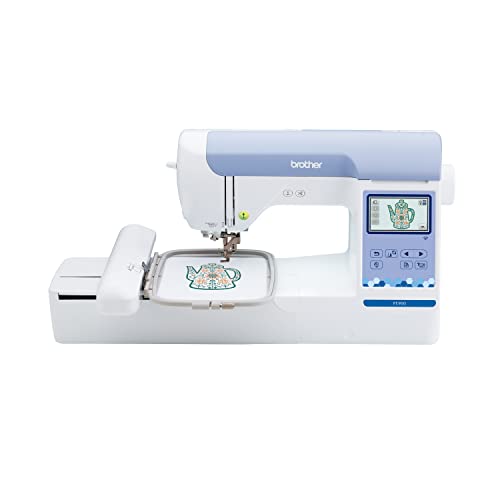
- 5" x 7" EMBROIDERY FIELD: PE900 has a generous 5” x 7” maximum embroidery area perfect for stitching larger designs, and a 7.4” sp…
The PE900 is a dedicated embroidery machine with a 5×7 hoop. No sewing. That’s a strength if you already own a sewing machine and just need embroidery capability. The larger field lets you stitch a full back design or a large chest logo in one hoop. It’s the go‑to for serious crafters who make custom shirts, bags, or quilts.
Two features matter on the used market: color sort and jump stitch trimming. Color sort rearranges your design to minimize thread changes. On a multi‑color logo that can save 10 minutes per run. Jump stitch trimming cuts loose threads automatically – you don’t have to snip them by hand. These aren’t just nice; they save hours on big projects.
Used PE900s can be tricky. The jump trim mechanism sometimes jams if the machine wasn’t cleaned regularly. Look for thread bits clumped around the hook. The touchscreen is not color (contrary to the SE700), so editing is less visual. But the 193 built‑in designs include scrollwork, florals, and quilt patterns. If you want a dedicated embroidery workhorse, this is it.
- 5×7 inch embroidery field, 7.4 inch space from needle to arm
- Advanced Color Sort reduces color changes
- Jump Stitch Trimming auto‑cuts excess thread
- 193 built‑in designs, 13 lettering fonts
- Wireless LAN and USB for pattern transfer
Best for: Enthusiasts who need a dedicated embroidery machine with a larger hoop and time‑saving features.
Brother SE2000 Combo
The SE2000 is the upgraded combo machine. Same 5×7 embroidery field as the PE900, but it also sews – 241 built‑in stitches. That makes it the most versatile Brother machine on this list. If you can only own one machine and you want to sew garments, quilt, and embroider, this is the sweet spot.
It shares the same advanced embroidery features: color sort and jump stitch trimming. The 190+ built‑in designs are solid, and you can download 50 more from the Artspira app for free. The machine is heavier than the SE700 (about 20 pounds), so it stays put on a table. The throat space is 7.4 inches, enough to manage a queen‑size quilt with careful rolling.
Used SE2000s command higher prices because they’re recent. Watch for the same issues: missing hoops, bent needles, and dirty hook area. The 5×7 hoop is larger than the SE700, so replacement hoops cost more. Also check that the sewing function engages smoothly – sometimes the changeover lever gets sticky. If you find one under $700 in good condition, grab it.
- 5×7 inch embroidery field, combo sewing and embroidery
- 241 sewing stitches, 190+ embroidery designs
- Color Sort and Jump Stitch Trimming
- Wireless LAN and USB transfer
- Includes 8 sewing feet and medium embroidery hoop
Best for: The one‑machine household that needs heavy‑duty sewing plus large embroidery capability.
Brother PE545 Compact
Brother
Brother PE545 Wireless Embroidery Machine 4x4 Hoop…
- WIRELESS LAN ENABLED: Transmit embroidery files from your PC to your embroidery machine via the free downloadable software Design…
- ARTSPIRA MOBILE APP: Make custom embroidery patterns by drawing on your mobile device, or download patterns from the collection an…
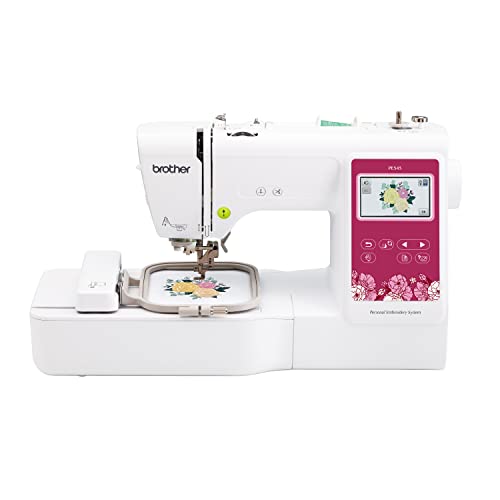
- 4" x 4" EMBROIDERY FIELD: This Brother embroidery machine is built with a 4" x 4" embroidery field and includes a hoop
The PE545 is the smallest, lightest machine here. It’s dedicated embroidery only, 4×4 hoop, with a touchscreen and wireless connectivity. Perfect if you have limited counter space or want a portable machine to take to classes or guild meetings. It weighs around 13 pounds.
The 3.7 inch touchscreen works well – you can drag and drop patterns, rotate, and preview. Built‑in tutorial videos are a nice touch for beginners. The 135 designs include kids’ themes, holidays, and florals. Ten fonts (7 English, 3 Japanese) give you flexibility for names and phrases. You won’t get jump stitch trimming or color sort, but for simple projects that’s fine.
Used PE545s are often sold by people who upgraded to a larger hoop. That’s good news: the machine is usually lightly used. The downside: no sewing function, and the 4×4 limit restricts what you can make. If you think you’ll ever want to do larger designs, skip this and get the PE900. But for monograms, small patches, and kid crafts, the PE545 is a bargain on the used market.
- 4×4 inch embroidery field, dedicated embroidery only
- 135 built‑in designs, 10 fonts
- 3.7 inch color touchscreen with tutorial videos
- Wireless LAN and USB transfer
- Compact and lightweight, easy to store
Best for: Someone who wants a simple, small embroidery machine for occasional monograms and patches.
How We Chose These Products
We focused on models that appear frequently on used sites like Facebook Marketplace, eBay, and Craigslist. Brother has a huge install base, so parts and accessories are easy to find. We also checked that each machine has at least one wireless transfer method – wired USB alone is a pain with older machines. All five have WLAN.
Durability was a major factor. The SE700 and PE900 share internal mechanics that are proven over a decade. We avoided discontinued models like the Brother Innov‑is 950 because software updates stopped. For used buyers, repairability matters. These five use common bobbins, needles, and hoops – you can buy replacements at any sewing store.
Buying Guide: What Really Matters
When you find a used Brother embroidery machine for sale, check three things before you pay. First, power on and run a test stitch. Listen for grinding noises – that means the hook timing is off. Second, open the bobbin case. Look for lint buildup or rust. A neglected machine can cost more to clean than you saved on the purchase. Third, demand the original embroidery arm and at least one hoop. Without them the machine is useless, and replacements cost $40–$100.
Common issues with used Brother embroidery machines include thread bunching under the fabric (often a tension problem), bent needles from hitting hoops, and broken touchscreens on older SE700s. For PE900 models, the jump stitch trimmer can get clogged with lint – a simple cleaning fixes it. Always ask if the machine has been serviced in the last year. A clean machine will run better than a dusty one even if it’s older.
Where to look: Online auction sites (eBay, ShopGoodwill) have large inventories but no returns. Local sewing machine shops sometimes sell refurbished Brother machines with a 90‑day warranty – that’s worth paying a little more. Facebook Marketplace lets you test before buying. Avoid machines listed as ‘for parts’ unless you’re comfortable with mechanical repair. Also check for online forums specific to Brother embroidery – members often sell their machines when upgrading.
Our Top Recommendation
If you can only buy one used Brother machine, get the SE2000. It combines a 5×7 embroidery field with a strong sewing function. You get color sort and jump stitch trimming, which most combo machines in this price range lack. It’s the best value for anyone who wants to do both garment construction and large embroidery projects. On the used market, expect to pay $500–$800 depending on condition.
For a tighter budget, the PE545 is the cheapest reliable option. Its 4×4 hoop is limiting, but for personal monograms and small gifts it works great. The SE700 is a good middle ground if you need sewing but can’t find an SE2000. And the PE900 is for embroidery‑only users who don’t sew. No matter which you choose, always test it before you hand over cash – that alone will save you from a lemon.
Frequently Asked Questions
What should I check on a used Brother embroidery machine before buying?
Run a test stitch on a scrap of fabric. Check for uneven stitches, skipped stitches, or loud clunks. Look at the needle – if it’s bent or rusty, the previous owner may have hit the hoop. Open the bobbin case; heavy lint means poor maintenance. Ask when the machine was last oiled. If the seller doesn’t know, budget $50–$80 for a professional cleaning.
Is it worth buying a refurbished Brother machine instead of used from an individual?
Yes, if the price is within 20% of a private sale. Refurbished units from authorized dealers come with a warranty (usually 6–12 months) and have been cleaned, adjusted, and tested. You lose that peace of mind with a private seller. But refurbished machines often cost more – compare the warranty value against the risk of a private deal.
How long do Brother embroidery machines typically last?
With regular maintenance, the mechanical parts (motor, hook, feed dogs) last 10–15 years of moderate use. Electronics – touchscreens, USB ports – are the weak point. A used machine from 2026 might have a fading screen. The good news: Brother still sells replacement boards for most models. Overall, expect 8–12 years of reliable service before major repairs are needed.
Can I use third‑party embroidery designs on a used Brother machine?
Yes, as long as your machine supports the PES or DST format. All five models here read PES files. You can download free designs from sites like EmbroideryDesigns.com or create your own. The wireless transfer via Artspira or USB makes it simple. One tip: older used machines may not accept files larger than 100MB – check the manual’s maximum stitch count before loading a dense design.