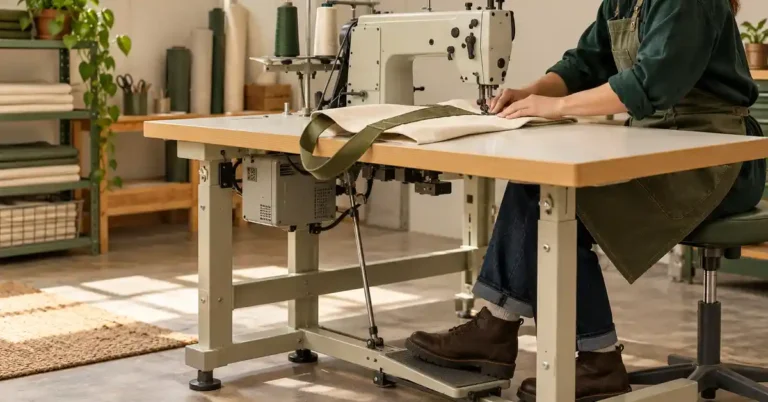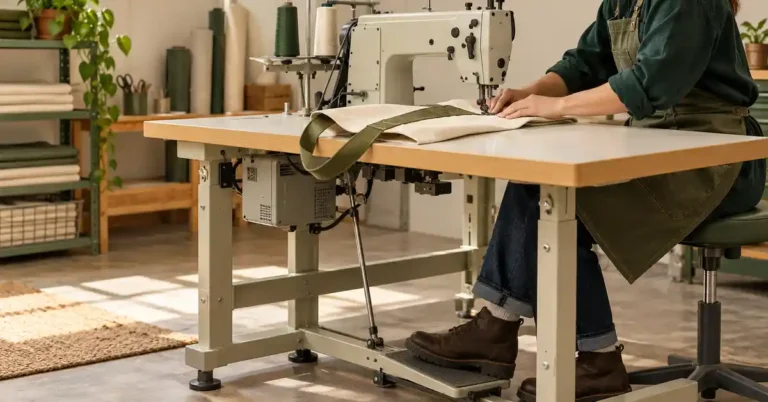

Vintage treadle sewing machines evoke a sense of nostalgia and craftsmanship that many modern electric machines simply can’t replicate. These machines, often made in the late 19th and early 20th centuries, were the backbone of home sewing before electricity became ubiquitous. For sewing enthusiasts and collectors alike, vintage treadle machines offer a unique blend of artistry, functionality, and history. In this article, we’ll explore the allure of vintage treadle sewing machines, their components, care tips, and how to integrate them into modern sewing projects.
History of Vintage Treadle Sewing Machines
The treadle sewing machine revolutionized the way clothing was made in the home. Invented in the early 1800s, these machines allowed for greater efficiency and creativity in sewing. Unlike their hand-crank predecessors, treadle machines utilized foot pedals to operate the needle, freeing up the hands for guiding fabric. Notable manufacturers such as Singer, Jones, and Pfaff gained prominence during this era, and many vintage treadle machines are still in working condition today.
Evolution of Treadle Machines
The early treadle machines were quite rudimentary, but over the decades, they evolved into more sophisticated models equipped with various stitch options and accessories. By the time the 1900s rolled around, many homes had a treadle machine in their parlors, symbolizing status and modernity.
Key Components of Treadle Machines
Understanding the main components of a vintage treadle sewing machine is essential for both maintenance and operation. Here are the primary parts you should be familiar with:
| Component | Description |
|---|---|
| Treadle Base | The foot pedal mechanism that powers the machine. |
| Needle | The part that pierces the fabric to create stitches. |
| Bobbin | Holds the lower thread, working in conjunction with the needle. |
| Presser Foot | Holds the fabric in place while sewing. |
| Feed Dogs | Move the fabric through the machine as you sew. |
Treadle Machine Mechanism
The operation of a treadle machine is fascinating. When you push the pedal with your foot, it activates a system of belts and pulleys that drive the needle up and down. This mechanical action creates stitches as the needle pierces the fabric and pulls the thread from the bobbin. Understanding this mechanism can help troubleshoot common issues like thread jams or skipped stitches.
Maintenance and Care
To ensure that your vintage treadle sewing machine remains in optimal working condition, regular maintenance is crucial. Here are some essential care tips:
Cleaning the Machine
Dust and lint can accumulate in the machine, affecting its performance. Regularly clean the following areas:
- Bobbin case
- Needle plate
- Treadle base
Lubrication
Most vintage treadle machines require periodic lubrication. Use a high-quality sewing machine oil and apply it to the designated oil points, often found in the manual. This will keep the moving parts functioning smoothly.
Storage
When not in use, store your treadle sewing machine in a cool, dry place to prevent rust and deterioration. If possible, cover it with a cloth to protect it from dust.
Sewing Projects with a Treadle Machine
Using a vintage treadle sewing machine can be a rewarding experience, especially when creating unique sewing projects. Here are some ideas:
Quilting
Quilting is a perfect project for vintage treadle machines. The slow speed allows for precision stitching, which is crucial for quilt piecing. Plus, the rhythmic motion of the treadle can be quite meditative.
Clothing Alterations
Whether you’re taking in seams or hemming pants, a treadle machine can handle various clothing alterations with ease. Just be cautious with thicker fabrics, as the machine may struggle to penetrate heavy layers.
Home Decor
Create beautiful home decor items like cushion covers, table runners, or curtains. The sturdiness of the machine makes it well-suited for these projects, allowing for intricate stitching designs.
Collecting Vintage Treadle Sewing Machines
For many, collecting vintage treadle sewing machines is a passionate hobby. Here are some insights into building your collection:
Finding Machines
Look for vintage treadle sewing machines at estate sales, flea markets, and specialized antique stores. Online platforms like eBay and Etsy can also be valuable resources.
Identifying Value
The value of a vintage treadle machine can vary based on its brand, condition, and rarity. Researching the market and consulting with collectors can help you determine a fair price.
Restoration vs. Preservation
When acquiring a vintage machine, consider whether you want to restore it to working order or preserve its original state. Restoration may involve repainting and replacing parts, while preservation focuses on maintaining the machine’s original appearance and function.
FAQ
A: Yes, many vintage treadle sewing machines are fully functional and can be used for various sewing projects.
A: Parts can be found through online marketplaces, specialty sewing shops, and antique stores. Some brands also have dedicated forums or groups for enthusiasts where parts can be sourced.
A: Check for overall condition, completeness of parts, and any signs of rust or damage. It’s also helpful to know the machine’s working history.
A: Yes, but ensure that the needle size is compatible with the machine’s specifications and that threads are of good quality to prevent breaking.
Conclusion
Vintage treadle sewing machines are more than just tools; they represent a rich history of craftsmanship and creativity in sewing. Whether you’re using one for practical sewing projects, collecting, or simply appreciating its design, these machines offer a unique experience unlike any modern sewing machine. With proper care and maintenance, a vintage treadle sewing machine can remain a beloved part of your sewing journey for years to come. Embrace the nostalgia, and let these timeless machines inspire your next sewing adventure!
For those looking to explore more about sewing and embroidery, don’t miss out on our articles about Custom Embroidery, the worth of renting an embroidery machine in Is Renting an Embroidery Machine Worth It?, or discover beautiful embroidery designs for the festive season in Beautiful Christmas Ornament Embroidery Designs! Additionally, check out the unique finds at San Diego Embroidery Shops and read our review on the Ricoma 20 Needle Embroidery Machine Price.