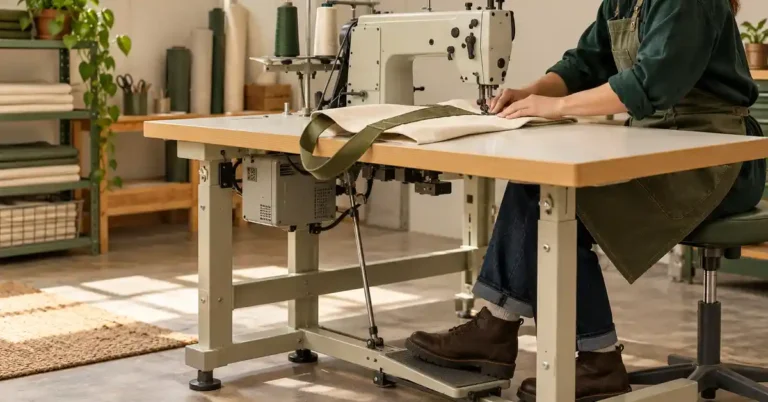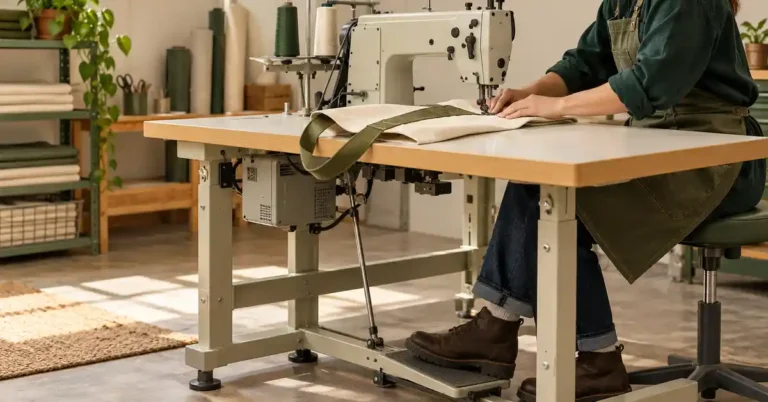
Sewing enthusiasts and professionals alike know that the right tools can make all the difference in creating beautiful and durable garments. One such tool that has gained popularity in the sewing community is the blind stitch sewing machine. This specialized machine is designed to create nearly invisible stitches, making it ideal for hemming and finishing edges on various fabrics. In this article, we will explore what a blind stitch sewing machine is, how it works, its applications, and tips for choosing the right one for your sewing projects.
What is a Blind Stitch Sewing Machine?
A blind stitch sewing machine is a specialized sewing machine designed to create hidden stitches, primarily used for hemming and finishing edges of garments without the stitches being visible from the outside. This is especially important in high-quality garment construction, where the appearance of the finished product matters significantly. The blind stitch machine operates by using a unique stitch formation that ensures the stitching is secured on the fabric’s underside while remaining concealed on the top.
How Does a Blind Stitch Sewing Machine Work?
The operation of a blind stitch sewing machine involves a few key components and techniques that distinguish it from traditional sewing machines. Here’s a breakdown of how it works:
1. Stitch Formation
The blind stitch is created by alternating between a straight stitch and a zigzag stitch. The straight stitch secures the fabric layers together, while the zigzag stitch catches just a small amount of fabric on the edge, allowing the stitch to remain hidden when the fabric is turned right-side out.
2. Adjustable Stitch Width and Length
Many blind stitch machines allow for the adjustment of both stitch width and length, providing versatility for different fabric types and thicknesses. This feature is crucial for achieving the desired finish, especially when working with lightweight or delicate materials.
3. Fabric Guide
Blind stitch sewing machines often come equipped with a fabric guide that helps in aligning the fabric accurately. This guide ensures that the stitches are placed correctly and consistently, which is particularly important for achieving professional-looking results.
Applications of Blind Stitch Sewing Machines
Blind stitch sewing machines are versatile tools used in various applications within the sewing and embroidery fields. Here are some common uses:
1. Hemming Garments
Perhaps the most common use of a blind stitch sewing machine is for hemming garments. This process is essential for finishing the edges of pants, skirts, and dresses, providing a clean and professional look.
2. Finishing Edges
In addition to hemming, blind stitch machines are also used to finish the edges of fabrics to prevent fraying. This is particularly useful in garments that will undergo frequent washing or wear.
3. Quilting and Craft Projects
Blind stitch machines can be employed in quilting and various craft projects where a discreet stitch is desired. This is especially true for projects that require a polished finish without visible stitching.
4. Upholstery Work
Upholsterers often use blind stitch machines for finishing seams on furniture fabrics, ensuring a seamless look that enhances the overall aesthetic of the piece.
Choosing the Right Blind Stitch Sewing Machine
Selecting the best blind stitch sewing machine for your needs involves considering several factors. Here are key points to keep in mind:
1. Purpose and Frequency of Use
Evaluate how often you plan to use the machine and for what purposes. If you’re a hobbyist who occasionally hems garments, a basic model may suffice. However, if you’re a professional or frequently work on larger projects, investing in a more advanced machine with additional features might be advantageous.
2. Types of Blind Stitch Machines
There are two main types of blind stitch sewing machines: industrial and home sewing machines. Industrial machines are built for heavy-duty use, while home models are designed for lighter projects. Consider your sewing environment and project demands when choosing between these options.
3. Features and Attachments
Look for machines that offer adjustable stitch width and length, as well as additional attachments such as fabric guides or walking feet, which can enhance usability and results.
4. Budget
Blind stitch sewing machines can vary widely in price. Set a budget and research models within your price range to find one that offers the features you need without overspending.
Maintenance Tips for Blind Stitch Sewing Machines
To ensure your blind stitch sewing machine operates efficiently and lasts for years, proper maintenance is crucial. Here are some tips to keep in mind:
1. Regular Cleaning
Dust and debris can accumulate in your machine over time, leading to performance issues. Regularly clean the machine, especially around the needle area and feed dogs, to prevent build-up.
2. Lubrication
Refer to your machine’s manual for guidance on lubrication. Most machines require periodic oiling to keep moving parts functioning smoothly.
3. Needle Replacement
Always use the correct needle type and size for your projects. Replace dull or bent needles promptly to avoid damaging the fabric and ensure clean stitching.
4. Professional Servicing
If you notice consistent issues with your machine, consider taking it to a professional for servicing. Routine maintenance checks can help identify and resolve problems before they escalate.
A: While some regular sewing machines have a blind stitch foot attachment, a dedicated blind stitch sewing machine provides better results and efficiency for hemming and finishing seams.
A: Blind stitching is particularly effective on lightweight to medium-weight fabrics. However, it can also work on heavier fabrics if the machine is properly adjusted.
A: If you frequently hem garments or work on projects requiring a polished finish, a blind stitch sewing machine can significantly improve your efficiency and the quality of your work.
Conclusion
A blind stitch sewing machine is an invaluable tool for anyone serious about sewing and garment construction. Its ability to create nearly invisible stitches makes it an essential piece of equipment for professionals and hobbyists alike. By understanding how it works, its applications, and how to maintain it, you can enhance your sewing skills and produce beautifully finished garments. Whether you’re making a stunning wedding dress with unique embroidery flair or working on simple hem jobs, a blind stitch machine can be a game-changer in your sewing arsenal. To further elevate your sewing projects, consider exploring additional resources like Tear Away Backing, Naturally Perfect Blanks for Machine Embroidery, and Best Embroidery Machine Books for Beginners and Experts.