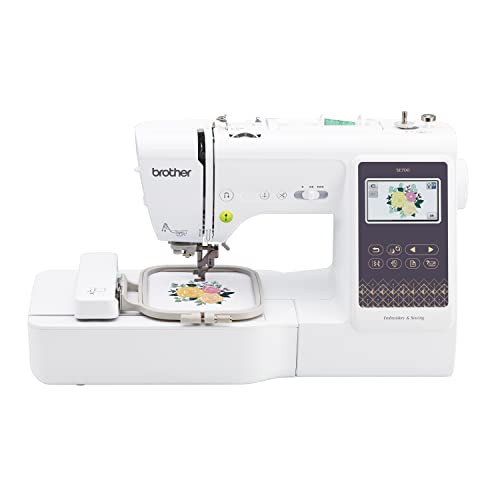
Embroidery is an age-old craft that has evolved significantly over the centuries. From hand-stitched patterns on clothing to intricate machine designs, embroidery has found its place in fashion, home décor, and personalized gifts. Whether you are a seasoned professional or a beginner looking to dive into this colorful world, understanding the fundamentals of embroidery is crucial. This article will explore what embroidery is, its history, techniques, tools, and much more to provide a comprehensive overview of this beautiful art form.
Table of Contents
- History of Embroidery
- Types of Embroidery
- Embroidery Techniques
- Essential Tools for Embroidery
- Applications of Embroidery
- Caring for Embroidered Items
- Frequently Asked Questions
History of Embroidery
Embroidery dates back thousands of years and can be traced to several ancient civilizations. The earliest known examples of embroidered textiles come from China, where pieces dating back to the Han Dynasty (206 BC – 220 AD) have been discovered. Throughout history, embroidery has served various purposes, including decoration, religious significance, and as a form of storytelling.
Ancient Civilizations
In ancient Egypt, embroidered garments adorned the wealthy, often featuring intricate patterns and symbols. Similarly, the Greeks and Romans used embroidery as a status symbol, showcasing their wealth through elaborate designs on their clothing.
The Middle Ages to Renaissance
During the Middle Ages, embroidery reached new heights in Europe, particularly in the form of ecclesiastical embroidery used in religious vestments. The Renaissance saw a revival of interest in artistry and craftsmanship, leading to the creation of more intricate designs and techniques.
Modern Era
With the advent of industrialization, machine embroidery began to emerge in the 19th century, making the craft more accessible and affordable for the masses. Today, embroidery is a popular hobby and a thriving industry, thanks to advancements in technology that allow for both simple and complex designs.
Types of Embroidery
Embroidery comes in various forms, each with its unique characteristics and techniques. Understanding these types can help you choose the right style for your project.
Hand Embroidery
Hand embroidery involves stitching designs by hand using needles and threads. This traditional method allows for a high degree of creativity and personalization. Some popular hand embroidery techniques include:
- Cross Stitch
- Chain Stitch
- Satin Stitch
- French Knot
Machine Embroidery
Machine embroidery uses specialized sewing machines to create designs with precision and speed. This method is ideal for large projects and commercial applications. Some machine embroidery styles include:
- Digitized Embroidery
- Appliqué
- Free-Motion Embroidery
Embroidery Techniques
Each type of embroidery utilizes specific techniques that can greatly affect the final appearance and durability of the finished piece. Below are some popular techniques:
Stitch Types
| Stitch Type | Description |
|---|---|
| Backstitch | A strong, continuous line stitch ideal for outlining designs. |
| Running Stitch | A basic stitch that creates a dashed line effect, often used for outlining. |
| Split Stitch | A decorative stitch that creates a textured line, perfect for filling shapes. |
| Lazy Daisy | A flower-like stitch that adds dimension and is often used for floral designs. |
Essential Tools for Embroidery
Having the right tools is essential for successful embroidery projects. Below is a list of essential tools that every embroiderer should consider having in their toolkit.
Needles
Embroidery needles come in various sizes and types, each designed for specific fabrics and threads. Common types include:
- Embroidery Needles
- Universal Needles
- Ballpoint Needles
Threads
The choice of thread can significantly affect the outcome of your embroidery. Popular thread types include:
- Cotton Floss
- Rayon Thread
- Metallic Thread
Hoops and Frames
Using embroidery hoops or frames helps keep your fabric taut while you stitch, making it easier to work on your design. They come in various sizes, so choose one that fits your project.
Stabilizers
Stabilizers are essential for supporting the fabric during machine embroidery. They prevent puckering and distortion and come in various forms:
- Cut-Away Stabilizers
- Wash-Away Stabilizers
- Iron-On Stabilizers
Applications of Embroidery
Embroidery is a versatile craft with a wide range of applications. Below are some popular uses for embroidery:
Fashion
Embroidery has been a staple in fashion for centuries. From embroidered dresses and jackets to personalized accessories, it adds a unique touch to any outfit.
Home Décor
Embroidered items can enhance the aesthetics of your living space. Consider using embroidery for:
- Pillows
- Tablecloths
- Wall Hangings
Personalized Gifts
Embroidered gifts, such as monogrammed towels or custom-made ornaments, make thoughtful presents for special occasions.
Caring for Embroidered Items
Proper care is essential to maintain the quality and longevity of your embroidered items. Here are some tips for caring for your embroidery:
Washing
Always follow the care instructions associated with the fabric. Hand washing is often recommended to avoid damaging the embroidery.
Drying
Avoid excessive heat when drying embroidered items. Air drying is preferable to maintain the integrity of the stitches.
Storing
Store embroidered items in a cool, dry place away from direct sunlight to prevent fading and damage.
Frequently Asked Questions
A: Cotton and linen are popular choices due to their durability and ability to hold stitches well. However, the best fabric can vary based on the embroidery technique used.
A: It is essential to use threads specifically designed for machine embroidery, as they are made to withstand the tension and speed of embroidery machines.
A: Consider your skill level, the intended project, and the type of fabric you will use when selecting an embroidery design.
A: Hand embroidery is done manually and allows for more artistic expression, while machine embroidery is faster and more precise, making it suitable for larger projects.
As you embark on your embroidery journey, remember that practice is key. Whether you choose to explore hand embroidery or dive into machine embroidery, each stitch brings you closer to mastering this beloved craft. With the right tools and techniques, you can create beautiful, personalized pieces that showcase your unique style and creativity.
For those looking to elevate their embroidery skills further, consider exploring resources such as the AcU Plus: Elevate Your Screen Printing & Embroidery Game! or the Perfect Embroidery Tools for Beginners!. If you want to delve deeper into specific products, check out the Exploring the Quality of J&P Coats Embroidery Floss or read our Review of the Melco Amaya XT Embroidery Machine. And don’t miss our insights on why the Kenmore Embroidery Machine Stands Out in 2026!
In conclusion, embroidery is a timeless art form that continues to inspire creativity across generations. Whether you are creating something for yourself or as a gift, each piece of embroidery tells a story. With the right knowledge, tools, and techniques, you can become a skilled embroiderer, bringing your artistic visions to life.