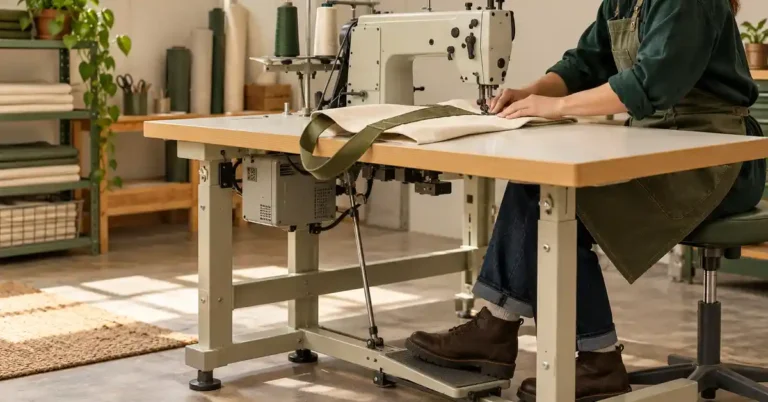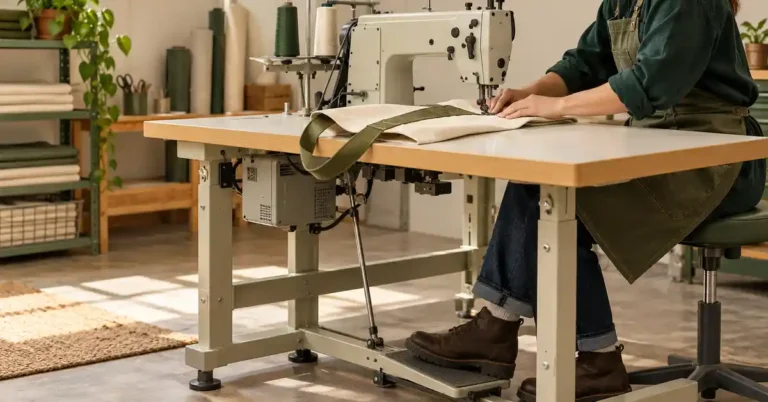
Sewing enthusiasts and professionals alike are always on the lookout for tools that can elevate their craft. One such tool that has garnered attention in recent years is the blind stitch sewing machine. This specialized machine is designed to create nearly invisible hems and seams, making it a favorite among those who strive for perfection in their sewing projects. If you’re curious about what a blind stitch sewing machine is, how it works, and whether it’s the right choice for your sewing needs, you’ve come to the right place.
What is a Blind Stitch Sewing Machine?
A blind stitch sewing machine is a specialized sewing machine designed to create a stitch that is nearly invisible on the front side of the fabric. This machine is particularly useful for hemming garments, sewing linings, and finishing raw edges. The stitch itself is created using a combination of straight and zigzag stitches that catch a small amount of fabric on the fold, resulting in a clean finish without visible stitching.
How Does a Blind Stitch Sewing Machine Work?
Understanding how a blind stitch sewing machine operates can help you appreciate its value. The machine uses a special foot that has a guide to ensure that the fabric is fed correctly. The needle moves in a zigzag motion, allowing it to catch the fold of the fabric while maintaining a straight stitch on the hem. The key is in the settings: adjusting the width of the zigzag allows you to customize the stitch to the fabric type and thickness.
Components of a Blind Stitch Sewing Machine
- Needle: Typically a special needle designed for blind stitching.
- Presser Foot: A specific foot that helps guide the fabric and maintain the correct stitch width.
- Feed Dogs: Mechanisms that move the fabric through the machine.
- Stitch Length and Width Adjustments: Controls that allow customization based on fabric type.
Types of Blind Stitch Sewing Machines
There are several types of blind stitch sewing machines available, each catering to different needs and budgets. Here’s a breakdown of the main types:
| Type | Description | Best For |
|---|---|---|
| Mechanical Blind Stitch Machine | A simple, manual machine with basic features. | Beginners or occasional users. |
| Electronic Blind Stitch Machine | Offers advanced features like automatic settings and speed control. | Frequent users or professionals. |
| Industrial Blind Stitch Machine | Heavy-duty machines designed for high volume and speed. | Commercial use in garment factories. |
Common Uses of Blind Stitch Machines
Blind stitch sewing machines are versatile and can be used in various applications, including:
Hemming Garments
One of the primary uses of a blind stitch machine is hemming garments. This technique is employed to finish the edges of skirts, pants, and dresses, ensuring a clean and polished look.
Sewing Linings
When sewing linings into garments, a blind stitch machine can help attach the lining without visible stitches, maintaining the garment’s aesthetic appeal.
Finishing Raw Edges
For fabrics that fray easily, blind stitching can be used to finish raw edges, preventing them from unraveling over time.
Advantages of Using a Blind Stitch Sewing Machine
Using a blind stitch sewing machine comes with several advantages that enhance the quality of your sewing projects:
- Professional Finish: The stitches are nearly invisible, giving garments a more professional appearance.
- Speed: These machines can sew quickly, making them ideal for high-volume projects.
- Versatility: Suitable for various fabrics, including delicate materials.
- Customization: Adjustable stitch width and length allow for versatility in applications.
Disadvantages of Using a Blind Stitch Sewing Machine
While there are many advantages, it’s also important to consider the potential downsides:
- Learning Curve: New users may find it challenging to master the machine initially.
- Cost: High-quality machines can be expensive, particularly for industrial models.
- Limited Functionality: These machines are specialized and may not be suitable for all sewing tasks.
How to Choose the Right Blind Stitch Sewing Machine
Choosing the right blind stitch sewing machine involves several considerations to ensure it meets your needs:
Assess Your Needs
Determine what types of projects you will be using the machine for. If you plan to use it for professional garment making, an industrial machine may be necessary. For casual use, a mechanical or electronic model may suffice.
Budget
Set a budget before shopping. While it can be tempting to go for the cheapest option, investing in a quality machine can save you money in the long run.
Features
Look for features that will enhance your sewing experience, such as adjustable stitch width and length, as well as ease of use. Electronic models may offer additional features like automatic needle positioning and thread cutting.
Brand Reputation
Research reputable brands known for their durability and performance. Trusted brands often provide better warranties and customer support.
Maintenance Tips for Blind Stitch Sewing Machines
- Cleaning: Regularly clean the machine to remove lint and dust that can affect performance.
- Oiling: Follow the manufacturer’s recommendations for oiling the machine to keep it running smoothly.
- Needle Replacement: Change the needle regularly to ensure clean, precise stitches.
- Storage: Keep the machine covered when not in use to protect it from dust and damage.
Frequently Asked Questions
A: While a blind stitch sewing machine is not primarily designed for quilting, it can be used for finishing edges of quilt layers if necessary. However, a standard sewing machine may be more versatile for quilting tasks.
A: It can be initially challenging for beginners, but with practice and proper instruction, many users find it easy and efficient over time.
A: Lightweight to medium-weight fabrics, such as cotton, silk, and polyester blends, are best suited for blind stitching. Heavier fabrics may require a different approach.
A: While you can use standard sewing thread, using a finer thread can help achieve a more invisible stitch.
Conclusion
A blind stitch sewing machine is a specialized tool that can significantly enhance the quality of your sewing projects. Whether you’re a professional tailor or a hobbyist, understanding its functions, advantages, and maintenance will help you make the most of this machine. With its ability to create invisible hems and finish edges neatly, a blind stitch sewing machine can be a worthy addition to your sewing arsenal. If you’re considering expanding your sewing toolkit, don’t forget to explore other machines and accessories, such as the Bernina B500 Embroidery Machine or the Brother Stellaire XE1 Embroidery Machine, which can complement your projects beautifully.