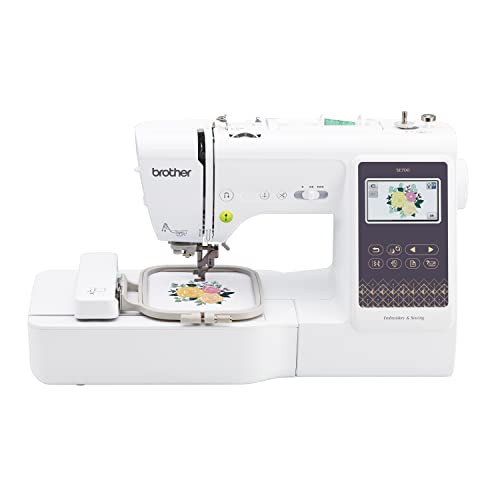
Machine embroidery has become a popular choice for both hobbyists and professionals looking to enhance their sewing projects. This technique allows for intricate designs and patterns to be stitched onto fabric with precision and speed, making it an ideal choice for everything from personalized gifts to branded apparel. As technology advances, the capabilities of machine embroidery continue to expand, offering endless possibilities for creativity and customization. In this article, we will delve into the nuances of machine embroidery, exploring its definition, history, techniques, and applications, as well as providing practical tips for beginners and seasoned embroiderers alike.
Table of Contents
- What is Machine Embroidery?
- History of Machine Embroidery
- Types of Machine Embroidery
- How Machine Embroidery Works
- Applications of Machine Embroidery
- Getting Started with Machine Embroidery
- Common Mistakes and How to Avoid Them
- FAQs
What is Machine Embroidery?
Machine embroidery is a method of decorating fabric with a needle and thread using a sewing machine or an embroidery machine. Unlike hand embroidery, which involves manually stitching designs onto the fabric, machine embroidery employs computerized technology to create intricate patterns and designs with remarkable precision. This automation allows for the replication of designs multiple times, making it ideal for business applications such as uniform production, promotional items, and custom apparel.
History of Machine Embroidery
The origins of embroidery date back thousands of years, with ancient civilizations using various techniques to decorate textiles. However, the mechanization of embroidery didn’t begin until the 19th century. The first embroidery machine was patented by Isaac Merritt Singer in 1851, which revolutionized the industry and laid the groundwork for modern sewing machines.
As technology progressed, particularly in the late 20th century, computerized embroidery machines emerged, allowing users to input designs via software. This innovation opened up a new realm of possibilities for both home crafters and commercial operations, leading to the widespread adoption of machine embroidery.
Types of Machine Embroidery
There are several types of machine embroidery, each offering unique features and uses:
- Free-Motion Embroidery: This technique involves moving the fabric manually under the needle, allowing for creativity and freehand designs.
- Digitized Embroidery: This form uses specialized software to convert images into stitch files that machines can read. It’s ideal for logos and complex designs.
- Appliqué: This method involves sewing a fabric piece onto a larger base fabric, often combined with embroidery to enhance the design.
- Monogramming: A popular choice for personalizing items, this involves stitching initials or names onto fabrics.
How Machine Embroidery Works
The process of machine embroidery can be broken down into several key steps:
1. Design Creation
Before any stitching occurs, the design must be created or selected. This can be done using embroidery software that allows users to customize images and convert them into a stitch file format compatible with the embroidery machine.
2. Preparing the Fabric
Once the design is ready, the fabric must be prepared. This includes selecting the appropriate stabilizer, which helps to support the fabric during stitching. Different weights and types of stabilizers are available depending on the fabric and design.
3. Setting Up the Machine
After the fabric is prepared, it is hooped and placed in the machine. The correct thread colors are loaded, and the machine is set to the desired stitch settings.
4. Stitching the Design
Once everything is set, the machine begins stitching the design. This process can take anywhere from a few minutes to several hours, depending on the complexity of the design and the size of the embroidery.
5. Finishing Touches
After the stitching is complete, the fabric is removed from the hoop, and any excess stabilizer is trimmed away. Final touches may include additional pressing or cleaning to ensure the design looks its best.
Applications of Machine Embroidery
Machine embroidery is versatile and can be applied in various fields, including:
- Fashion Industry: Designers use machine embroidery to create unique garments, adding texture and visual interest to fabrics.
- Home Decor: Machine embroidery can enhance household items like cushions, curtains, and table linens.
- Promotional Products: Businesses often use machine embroidery to brand apparel like hats, jackets, and shirts, providing a professional look.
- Personalized Gifts: Items such as towels, blankets, and bags can be customized for special occasions, making them memorable gifts.
Getting Started with Machine Embroidery
If you’re new to machine embroidery, here are some essential steps to help you get started:
Choosing the Right Equipment
Investing in the right equipment is crucial for successful machine embroidery. Look for a machine that suits your needs and budget. Some popular brands include Brother, Janome, and Bernina, which offer a range of features suitable for beginners and advanced users.
Essential Supplies
In addition to your embroidery machine, you’ll need several supplies:
- Embroidery Thread: Choose high-quality threads suitable for your machine.
- Stabilizers: Different types for various fabric weights and types.
- Needles: Use the correct needle type for your machine and fabric type.
- Embroidery Software: Consider software for creating and editing designs, especially if you wish to digitize your own images.
Learning Resources
Utilizing online tutorials, classes, and embroidery forums can enhance your learning experience. Many websites and YouTube channels offer comprehensive guides and tips for beginners.
Common Mistakes and How to Avoid Them
Even experienced embroiderers can make mistakes. Here are some common pitfalls to watch out for:
Neglecting Fabric Preparation
Proper fabric preparation is crucial. Always wash and press your fabric before starting any embroidery project to avoid shrinkage and wrinkles.
Ignoring Tension Settings
Incorrect tension can result in uneven stitching or thread breakage. Test your settings on scrap fabric before beginning your final project.
FAQs
A: Fabrics like cotton, denim, and canvas work well for machine embroidery. Avoid very stretchy or slippery materials for best results.
A: Some sewing machines have embroidery capabilities, but a dedicated embroidery machine will provide better results and features tailored for embroidery.
A: Use embroidery-specific threads, such as rayon or polyester, which are designed to withstand the stitching process and provide a beautiful finish.
Conclusion
Machine embroidery is a powerful technique that combines creativity with technology to produce stunning designs and personalized items. Whether you’re looking to enhance your wardrobe, create memorable gifts, or establish a business, understanding the fundamentals of machine embroidery can open up a world of possibilities. By investing in the right equipment, learning the necessary skills, and avoiding common mistakes, you can elevate your sewing projects to new heights. Dive into the world of machine embroidery and let your creativity flourish!
For further reading on embroidery techniques, check out our articles on Phoenix Embroidery & Screen Printing: Quality Review and Transform Your Projects: Stunning Hand Applique Tips!. Happy stitching!